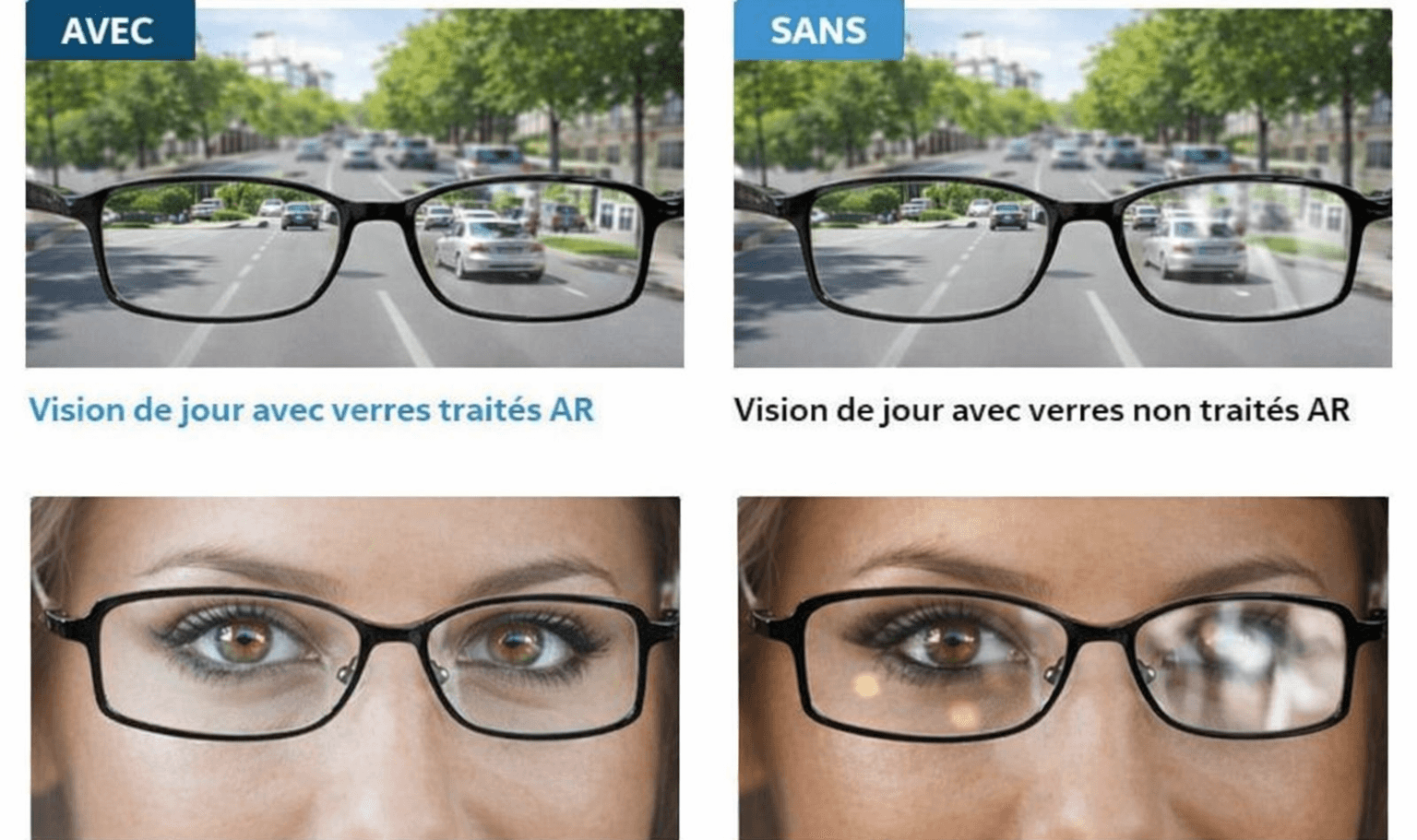
Care
Eyewear care tips
The right habits to clean, protect and extend the life of your glasses every day.
Our Brands
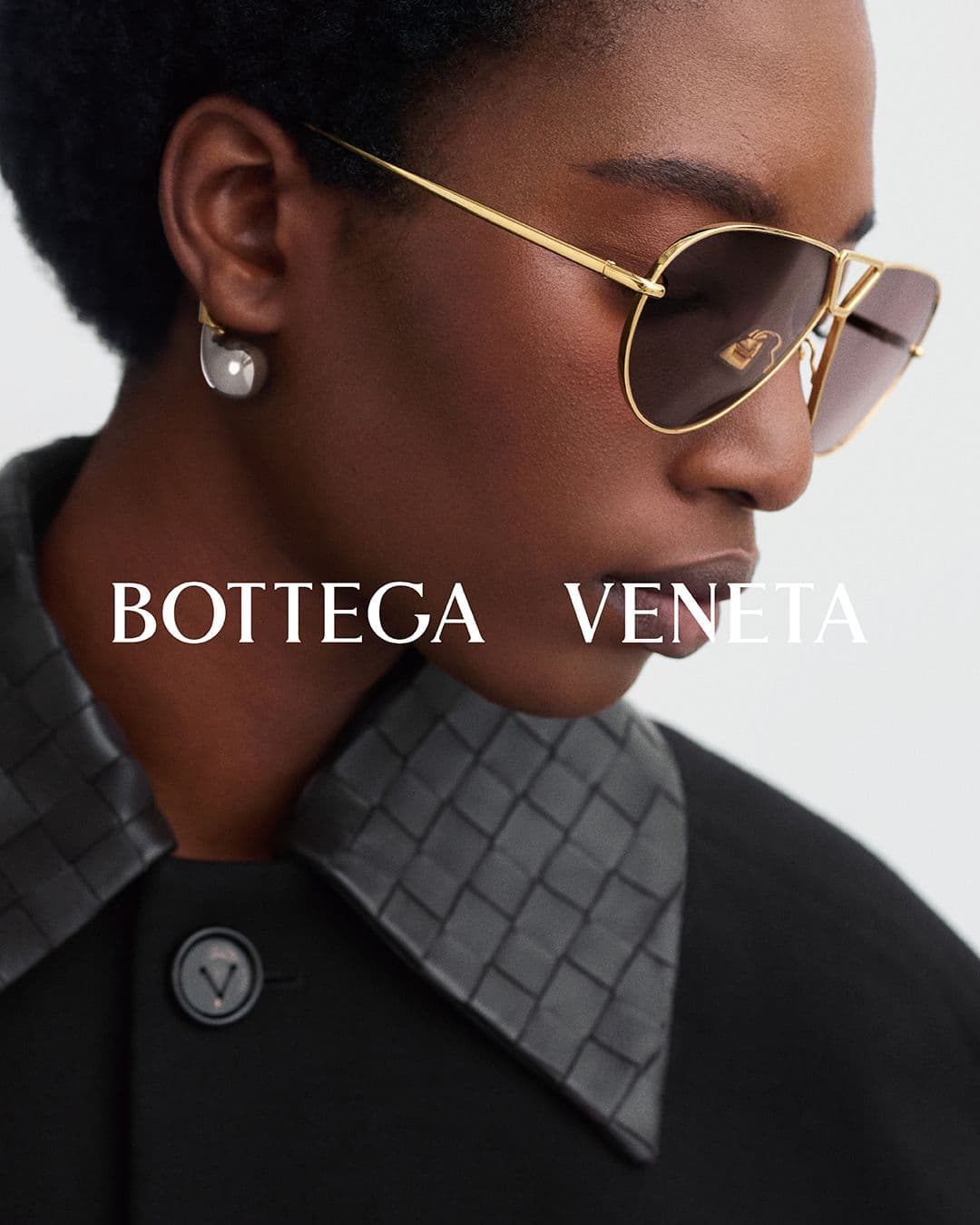
Bottega Veneta eyewear continues the philosophy of an Italian fashion house founded in Vicenza in 1966, renowned for its craftsmanship, its use of materials and its rejection of visible logos.
Bottega Veneta eyewear continues the philosophy of an Italian fashion house founded in Vicenza in 1966, renowned for its craftsmanship, its use of materials and its rejection of visible logos. Sunglasses and prescription frames, for both women and men, are designed in the same spirit: it is the cut, construction and finish that define the product. From acetate frames to metal models, the collections feature square, rectangular, round, oval, pantos, cat-eye and aviator shapes. The brand’s identity is defined by the proportions, the design of the temples and the construction details inspired by leather goods — with the Intrecciato pattern leading the way. Olivia Balm offers a selection of Bottega Veneta glasses, sunglasses and prescription glasses. Each product description specifies the shape, dimensions, material and available colours.
Bottega Veneta eyewear continues the philosophy of an Italian fashion house founded in Vicenza in 1966, renowned for its craftsmanship, its use of materials and its rejection of visible logos. Sunglasses and prescription frames, for both women and men, are designed in the same spirit: it is the cut, construction and finish that define the product.
From acetate frames to metal models, the collections feature square, rectangular, round, oval, pantos, cat-eye and aviator shapes. The brand’s identity is defined by the proportions, the design of the temples and the construction details inspired by leather goods — with the Intrecciato pattern leading the way.
Olivia Balm offers a selection of Bottega Veneta glasses, sunglasses and prescription glasses. Each product description specifies the shape, dimensions, material and available colours.
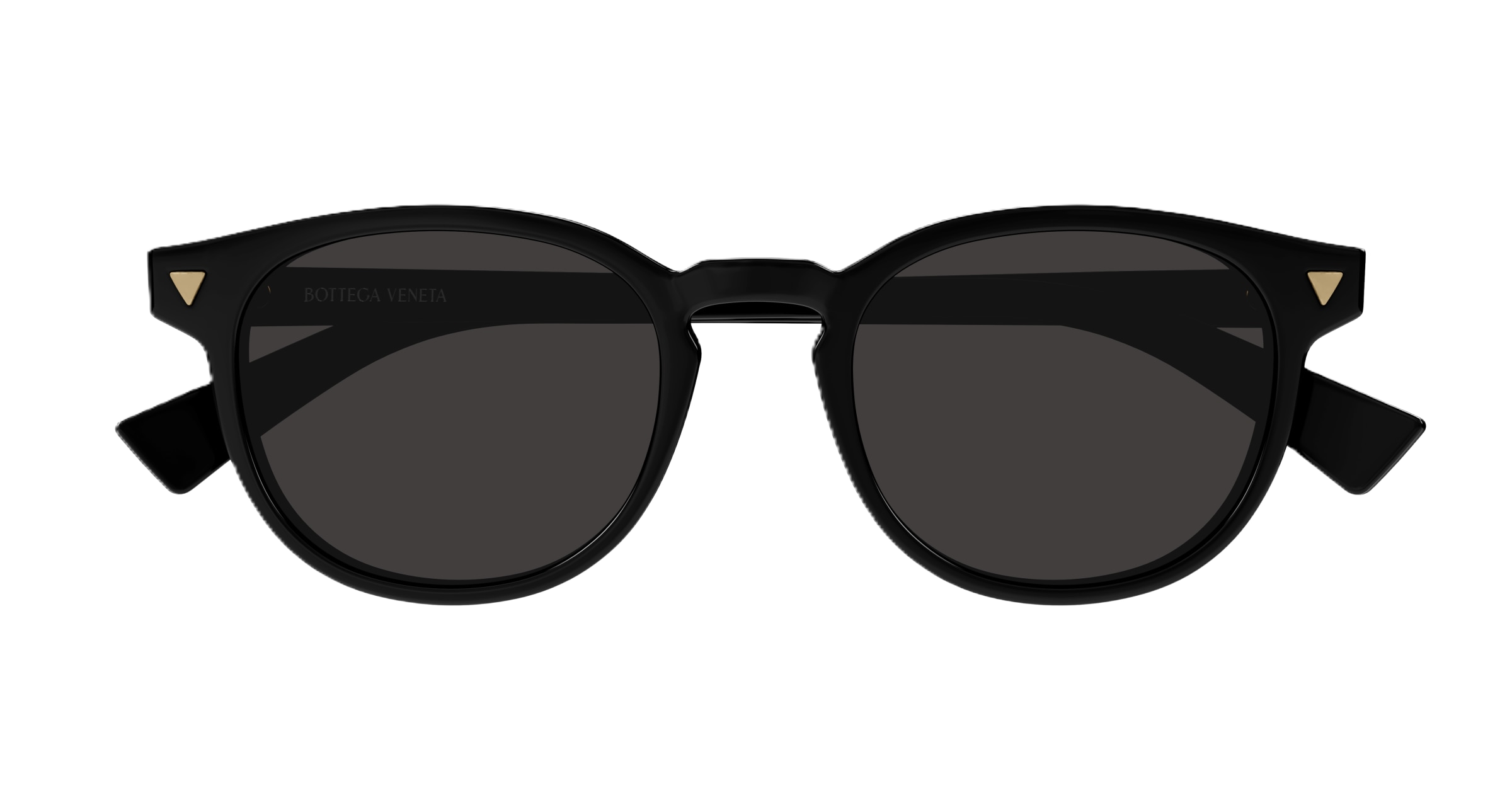 Bottega VenetaBV1253S239.00 €
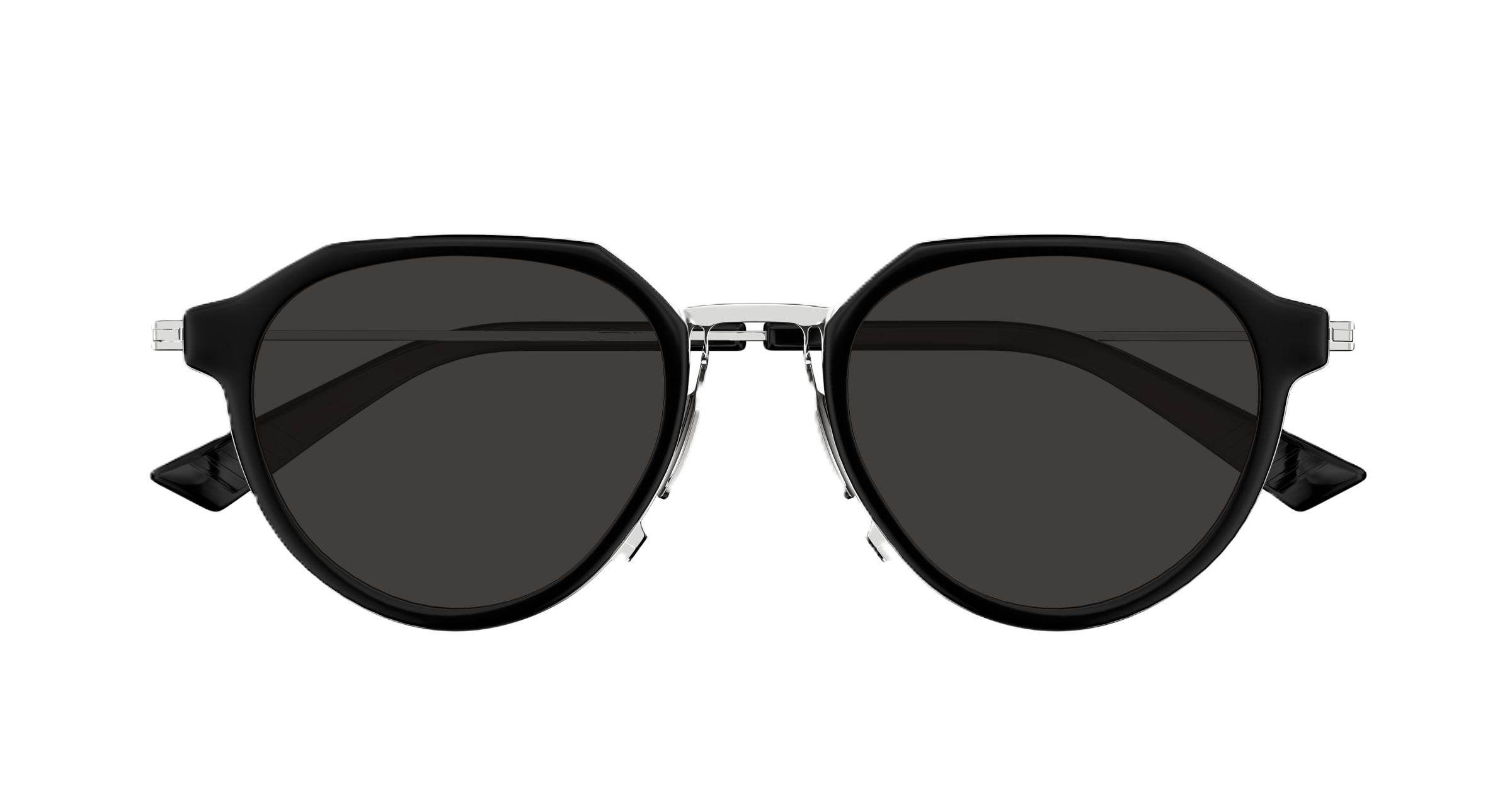 Bottega VenetaBV1331S299.00 €
 Bottega VenetaBV1364S239.00 €
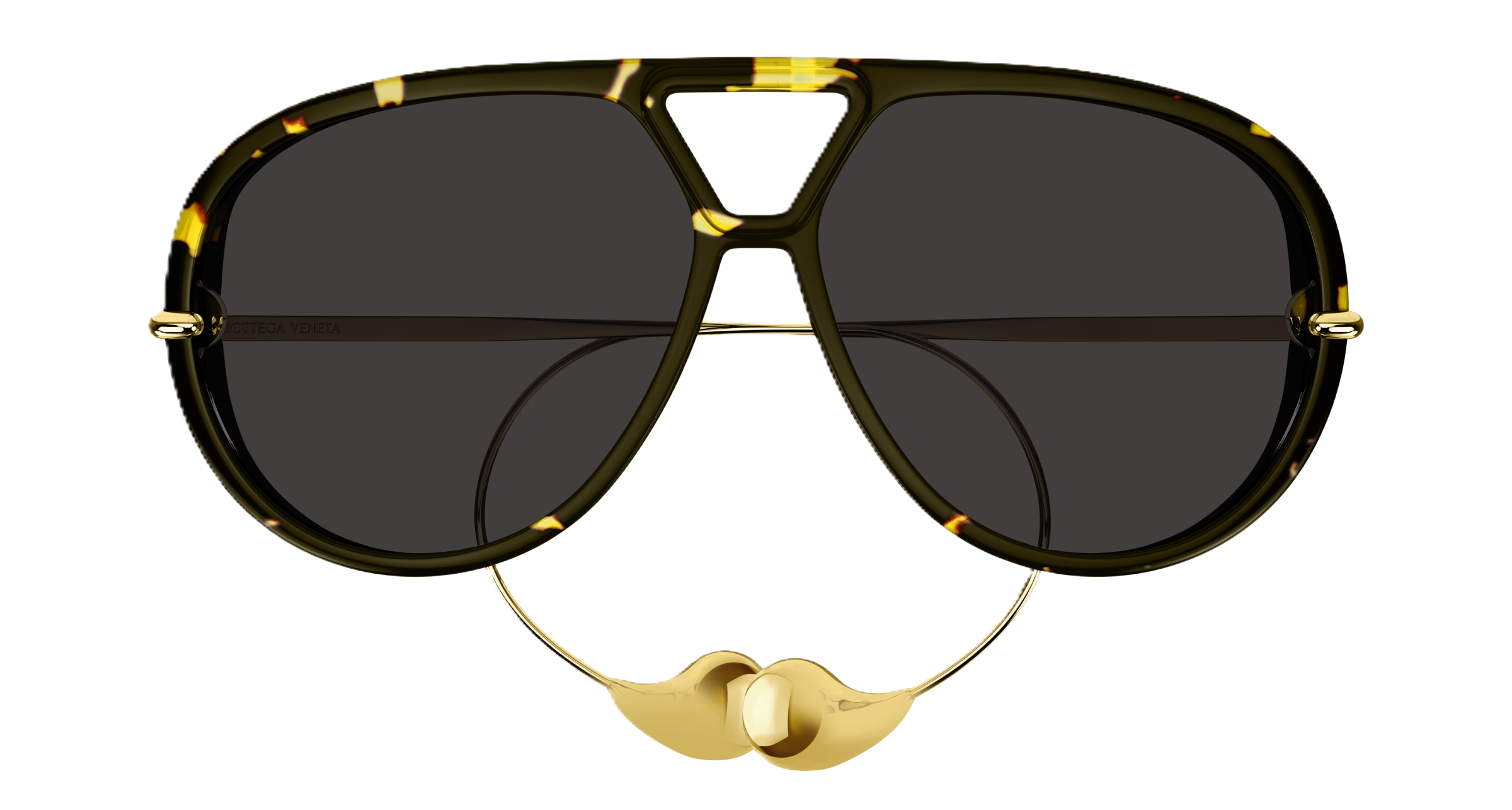 Bottega VenetaBV1273S419.00 €
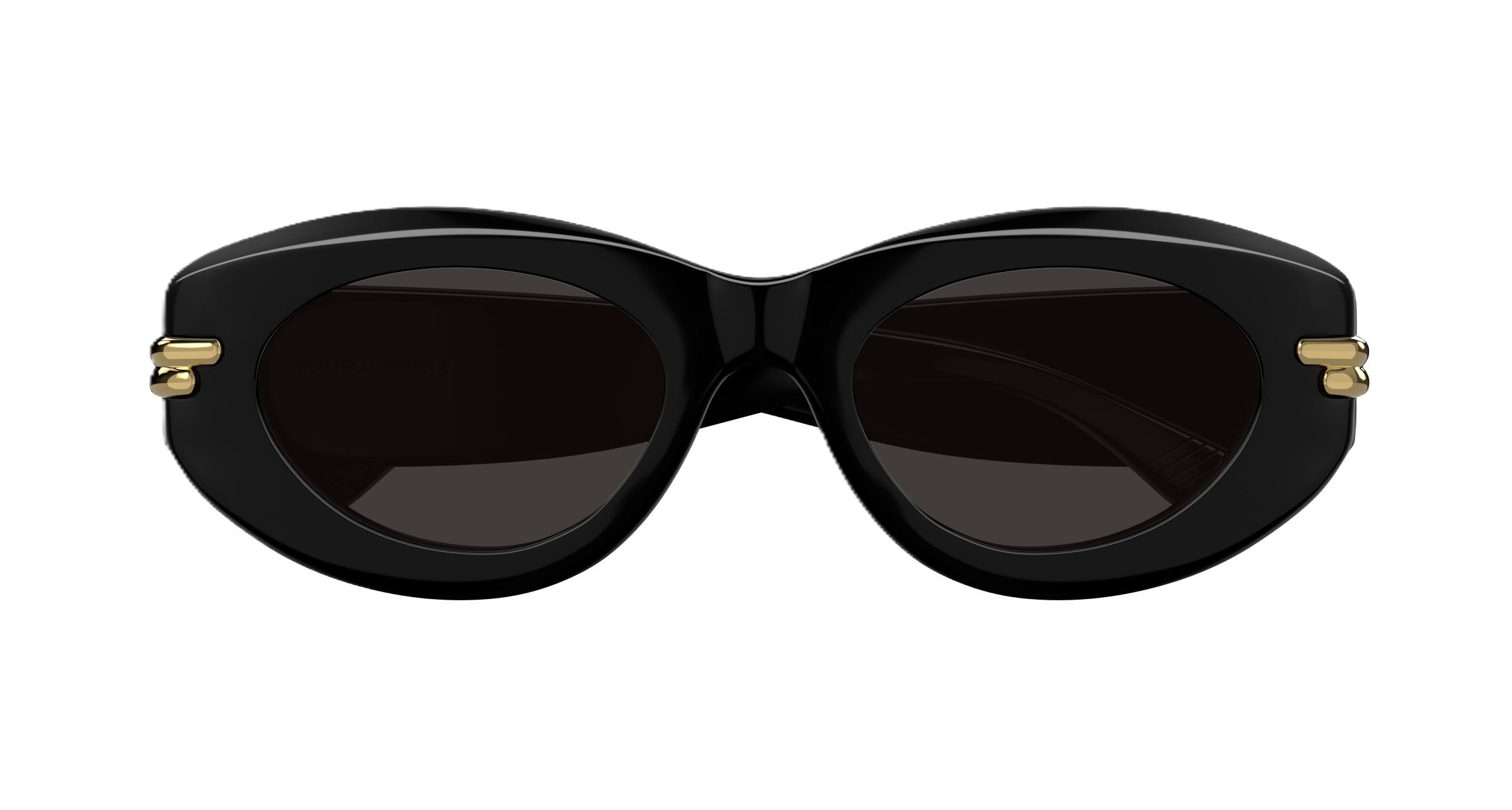 Bottega VenetaBV1322S329.00 €
 Bottega VenetaBV1346S369.00 €
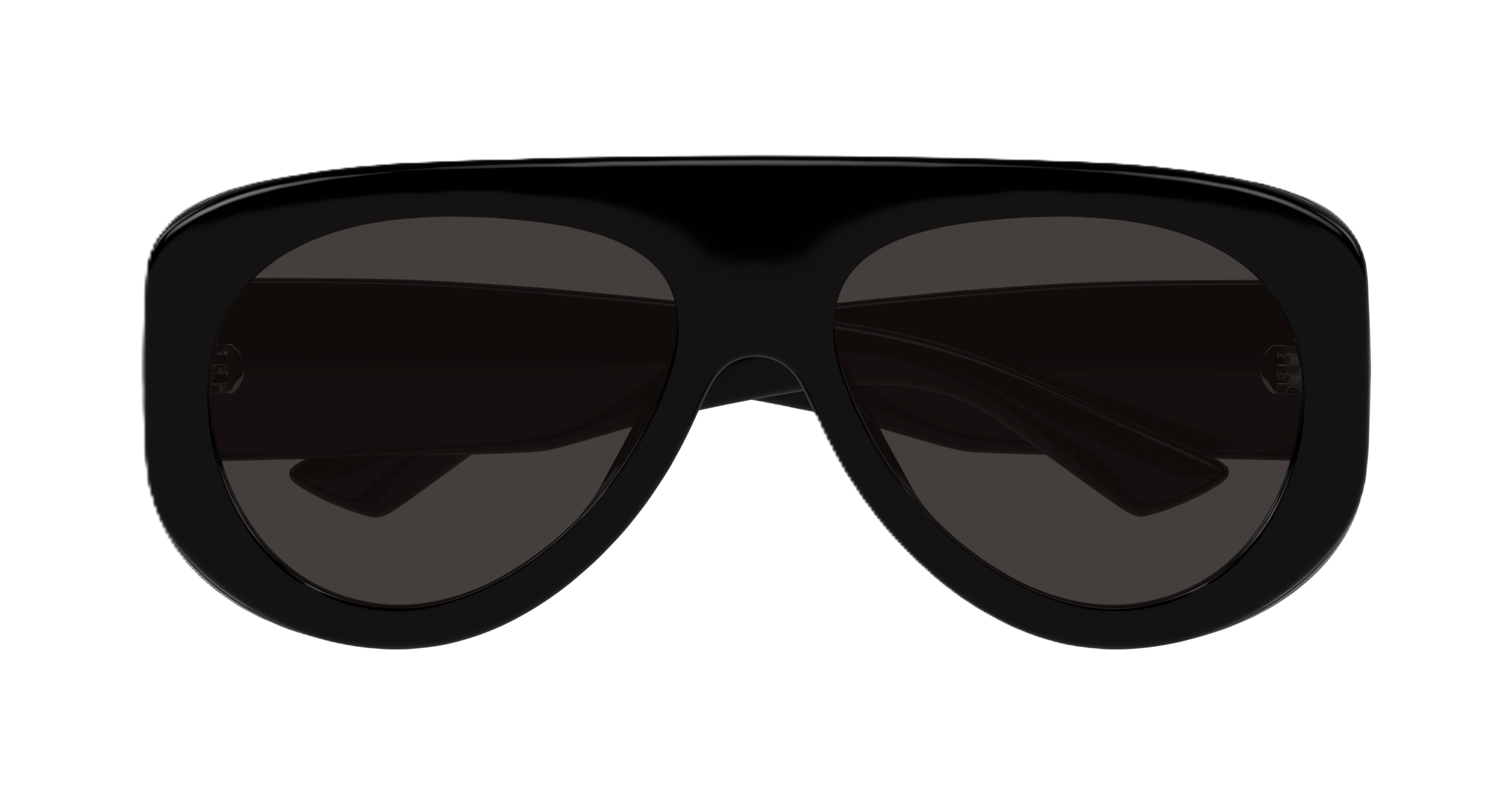 Bottega VenetaBV1362S409.00 €
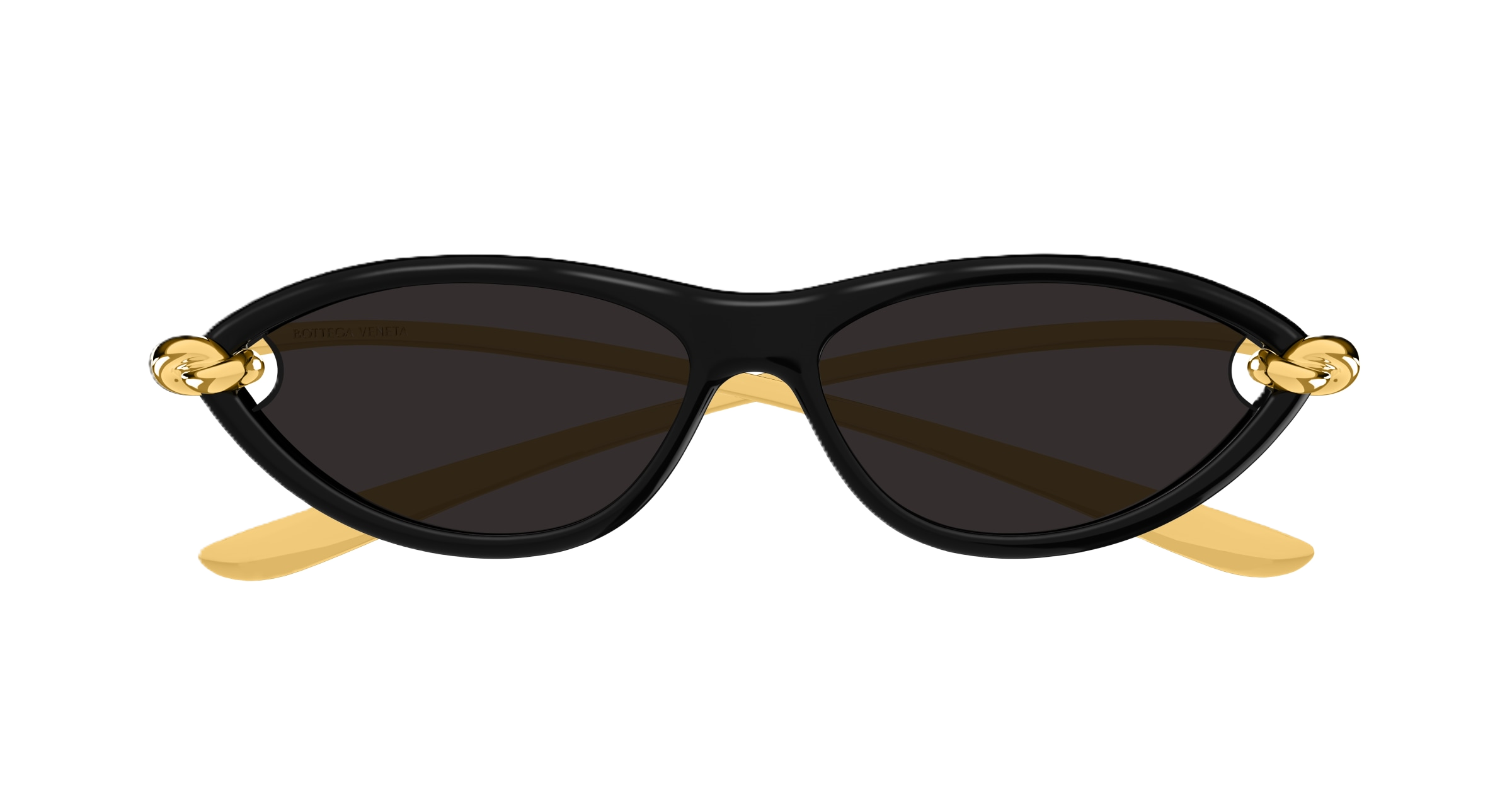 Bottega VenetaBV1390S418.00 €
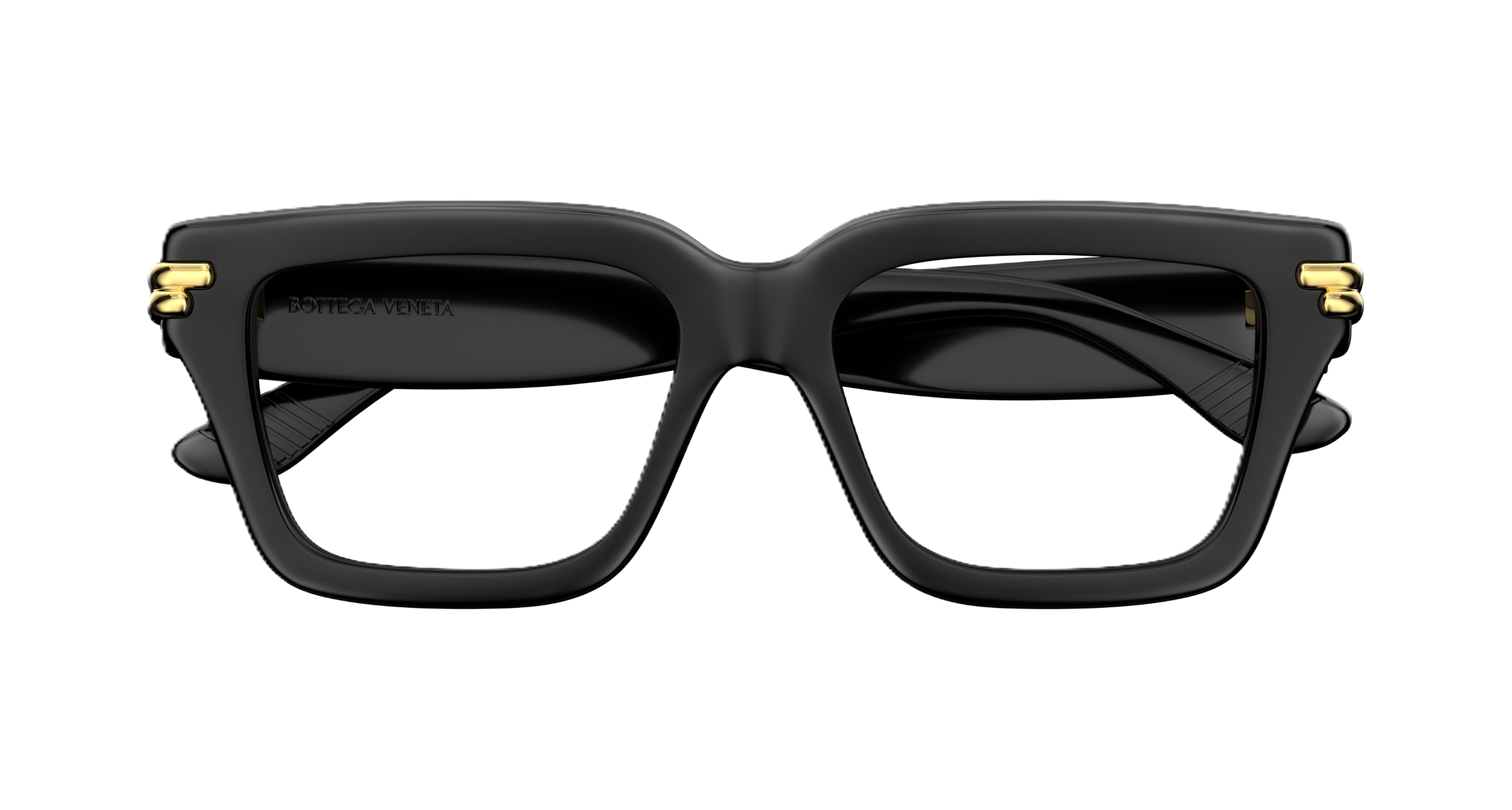 Bottega VenetaBV1324O269.00 €
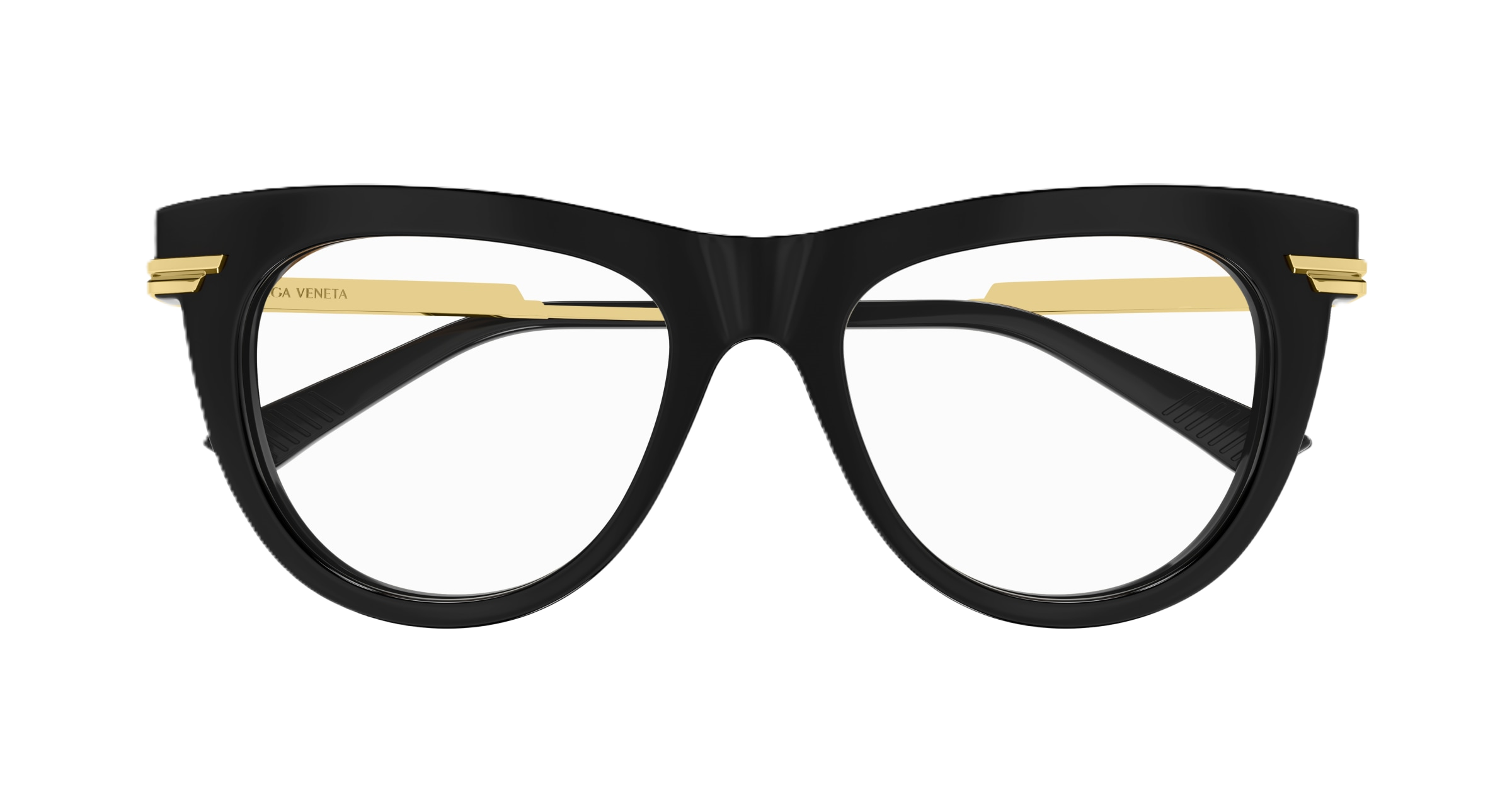 Bottega VenetaBV1297O239.00 €
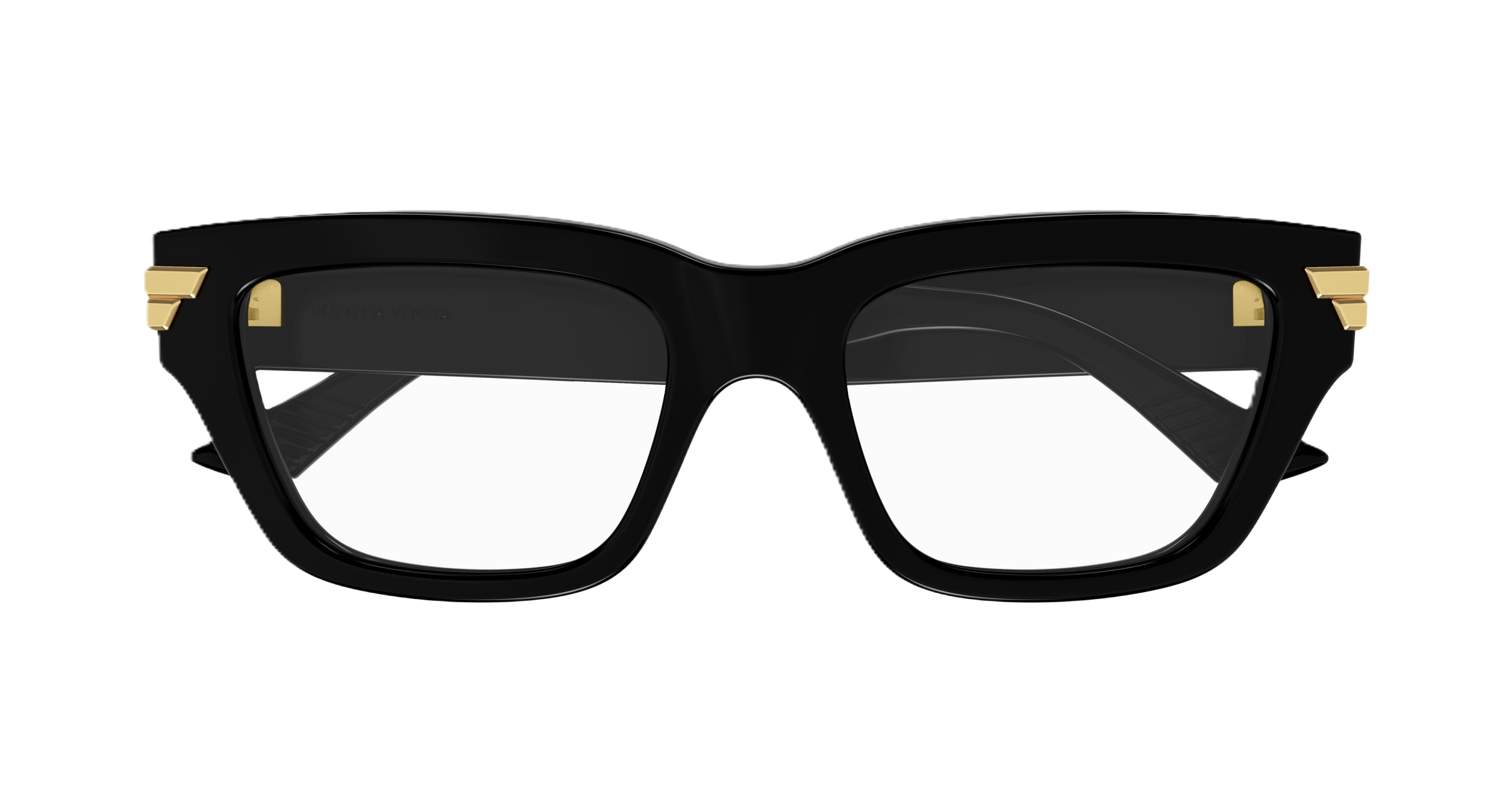 Bottega VenetaBV1190O259.00 €
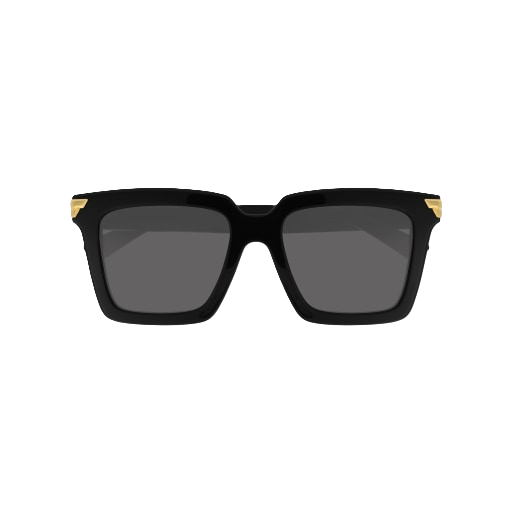 Bottega VenetaBV1005S319.00 €
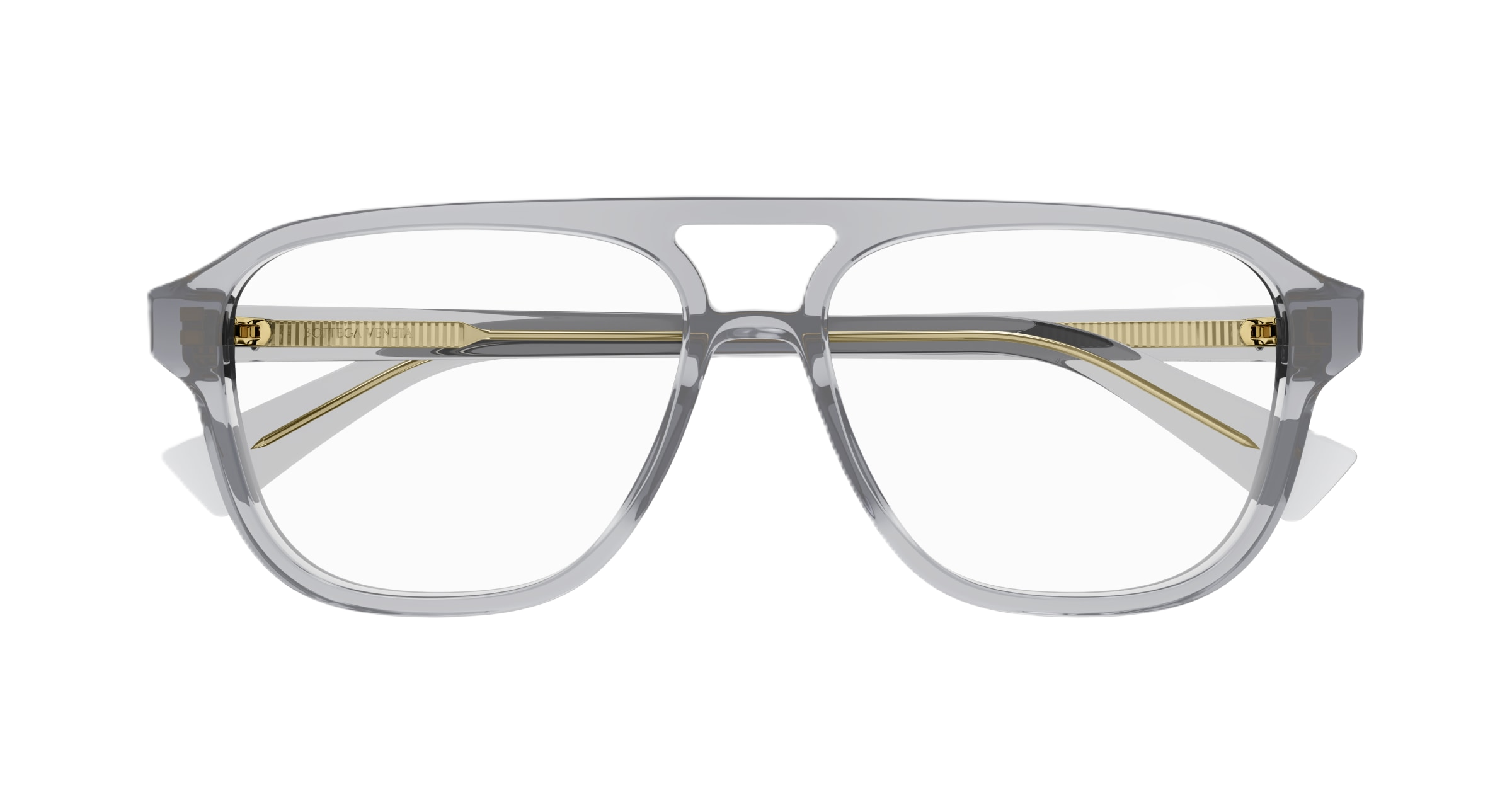 Bottega VenetaBV1294O209.00 €
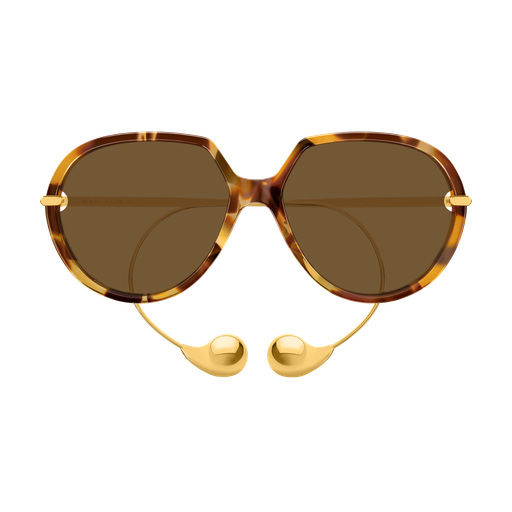 Bottega VenetaBV1436S459.00 €
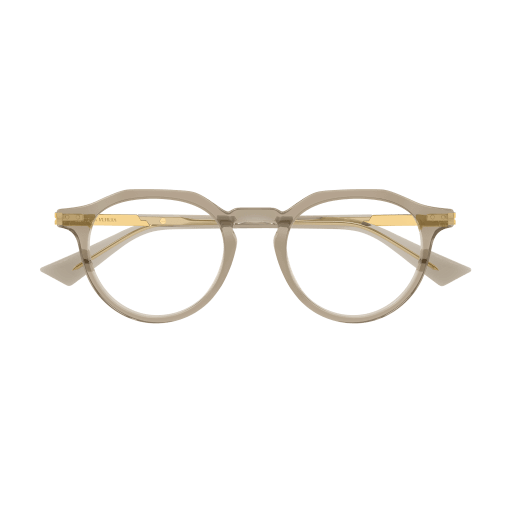 Bottega VenetaBV1263O259.00 €
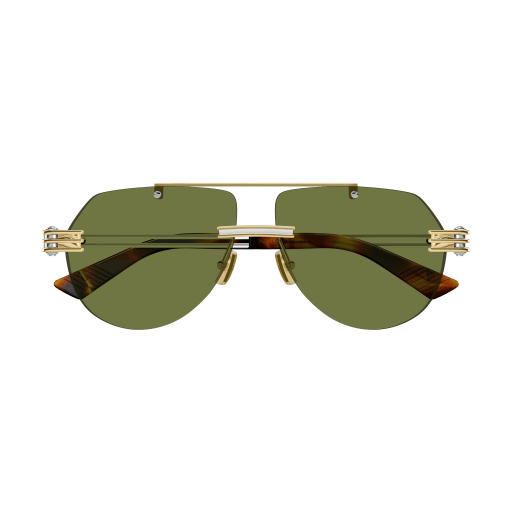 Bottega VenetaBV1342S355.00 €
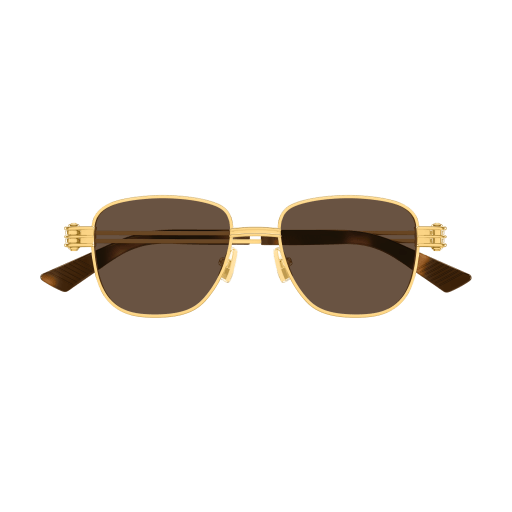 Bottega VenetaBV1380S359.00 €
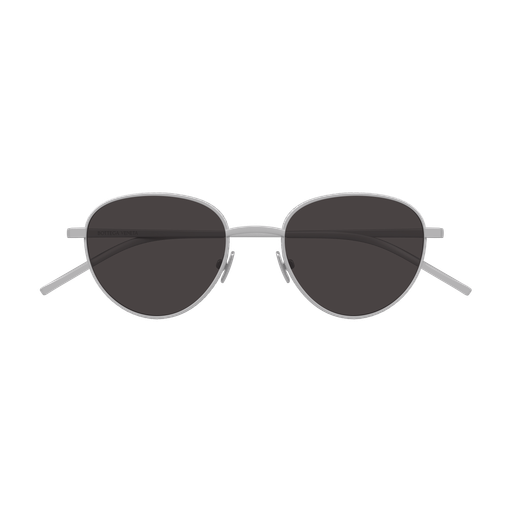 Bottega VenetaBV1966S419.00 €
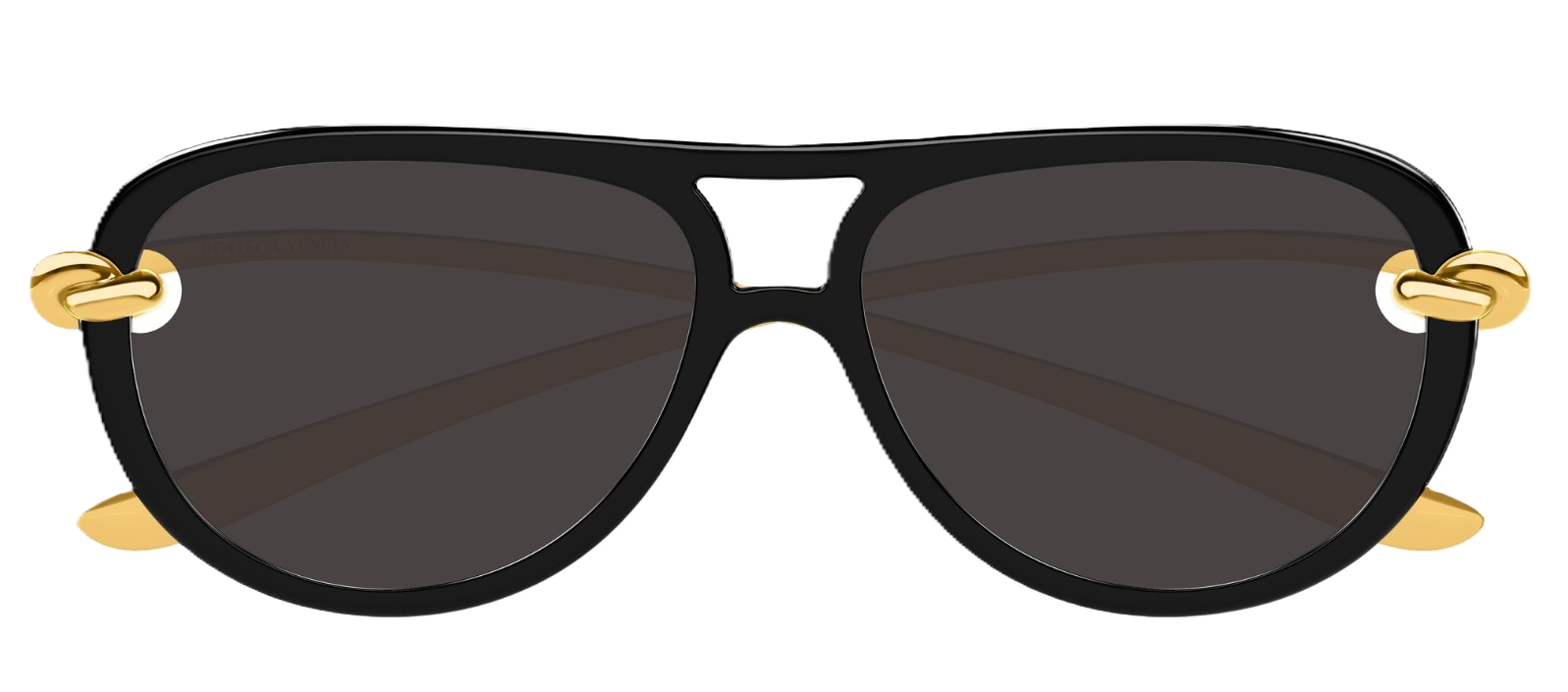 Bottega VenetaBV1418S339.00 €
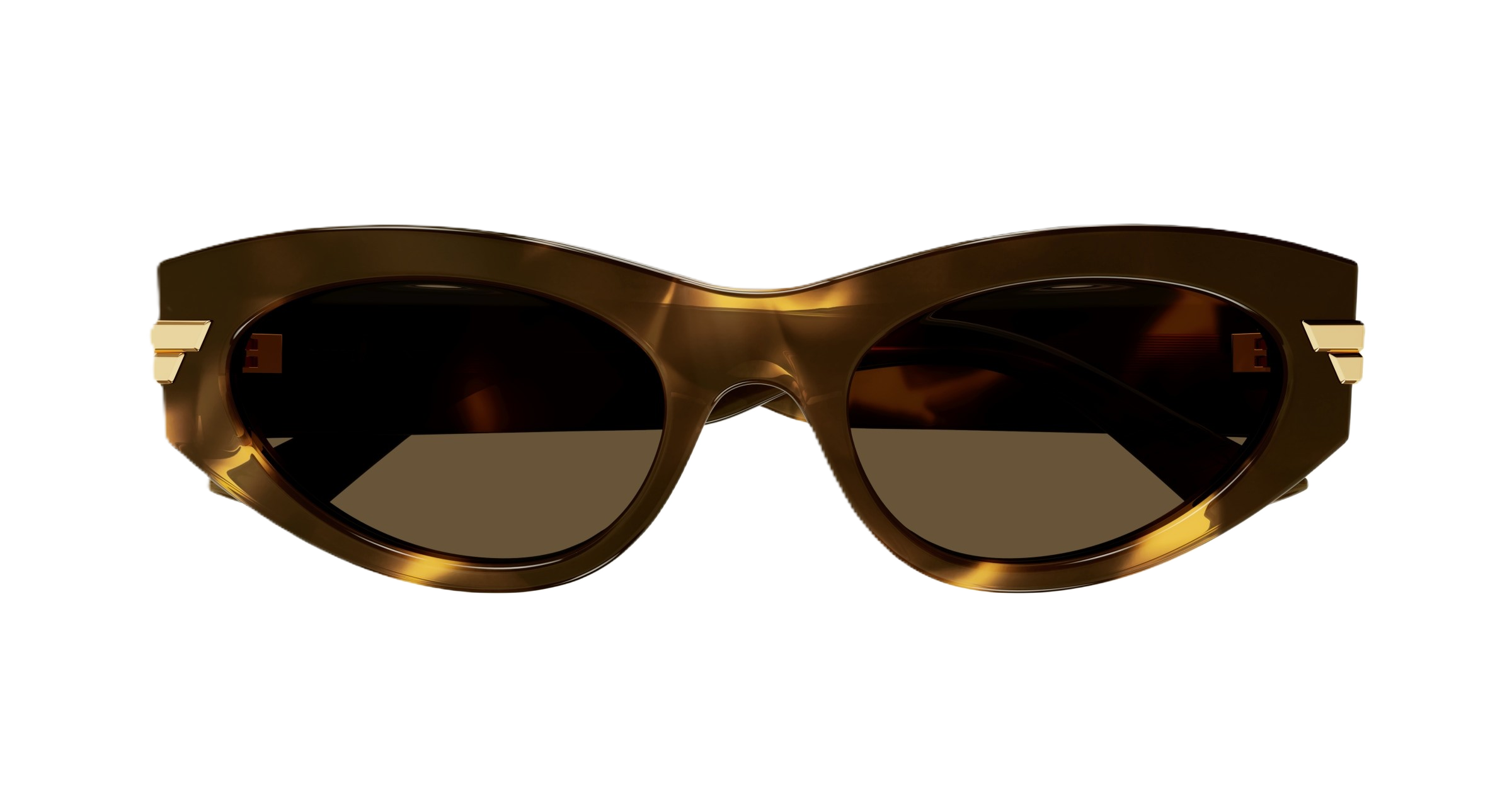 Bottega VenetaBV1189S289.00 €
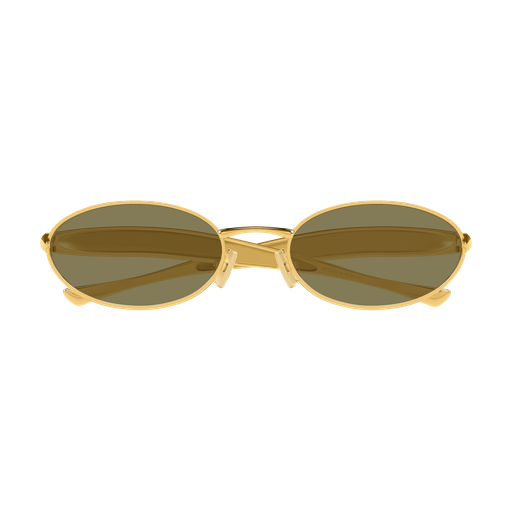 Bottega VenetaBV1386S339.00 €
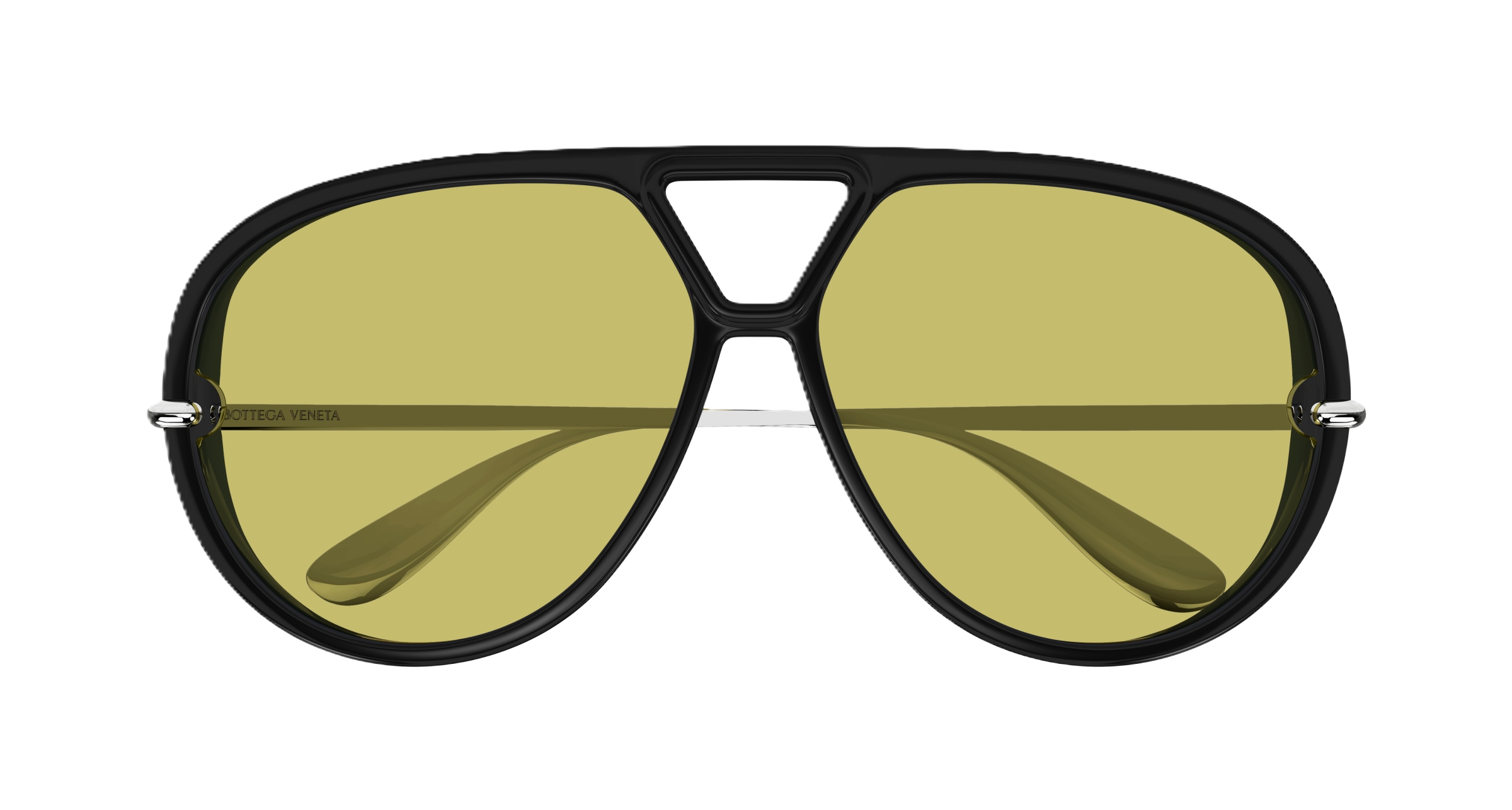 Bottega VenetaBV1274S319.00 €
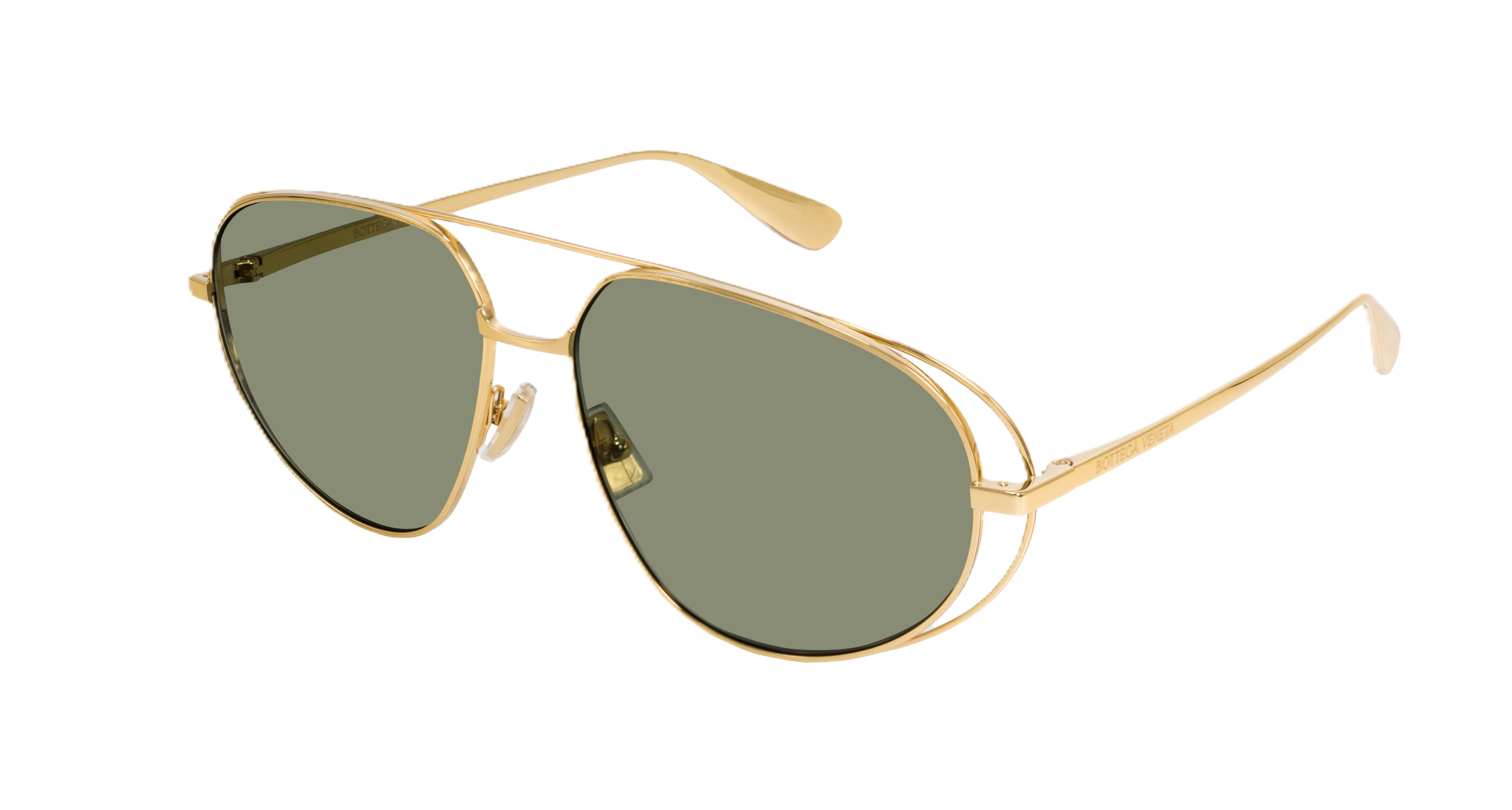 Bottega VenetaBV1344S389.00 €
A: Intrecciato is a leather weaving technique introduced by Bottega Veneta in 1975. Having become one of the brand’s signature features, it has also inspired eyewear design: some acetate frames feature a metal core that echoes this design language, whilst other models interpret the style through rivets, screw-mounted hinges or engravings.
A: The brand’s sunglasses range is organised into five collections: Prisma, Drop, Sardine, Knot and Ribbon. Other lines, such as Intrecciato and Soft, feature in certain collections and markets. Each family encompasses several shapes, ranging from cat-eye and aviator styles to square, rectangular and oval designs.
A: The country of manufacture varies by model: Bottega Veneta, for example, specifies Japan for certain Sardine sunglasses. This information is provided on the relevant model’s product page and does not apply to the entire collection. If this is a key consideration for you, please ask us before placing your order.
A: From €209 to €269 for a prescription frame and from €239 to €459 for a pair of sunglasses (frame only). This is the highest-priced section of our catalogue, with two sunglasses — BV1436S and BV1429S — among the most expensive frames we offer. Corrective lenses are priced separately, depending on the prescription and the treatments chosen.
A: Some do, yes. Sizes range from 48 to 63 mm, an unusual range within a single brand. The BV1273S, at 63 mm, is the widest in the selection and requires a broad face. In contrast, the 48 mm BV1263O and the 49 mm BV1364S remain very wearable on a slender face.
A: Yes, the BV1966S, a pantos-style pair of sunglasses. It is the only titanium frame in our entire catalogue. Titanium is lighter than standard metals of equivalent strength, resistant to sweat and salt water, and is the go-to solution for those with a nickel allergy. If you’ve ever experienced a rash from wearing metal frames, this is the option we’d recommend.
A: Yes, but the range is significantly narrower than that of sunglasses: our selection comprises 5 prescription frames compared with 15 sunglasses models. These include cat-eye, square, rectangular and oval shapes, all made from acetate — a material that effectively conceals the edge of the lens, even with a strong prescription.
The right habits to clean, protect and extend the life of your glasses every day.
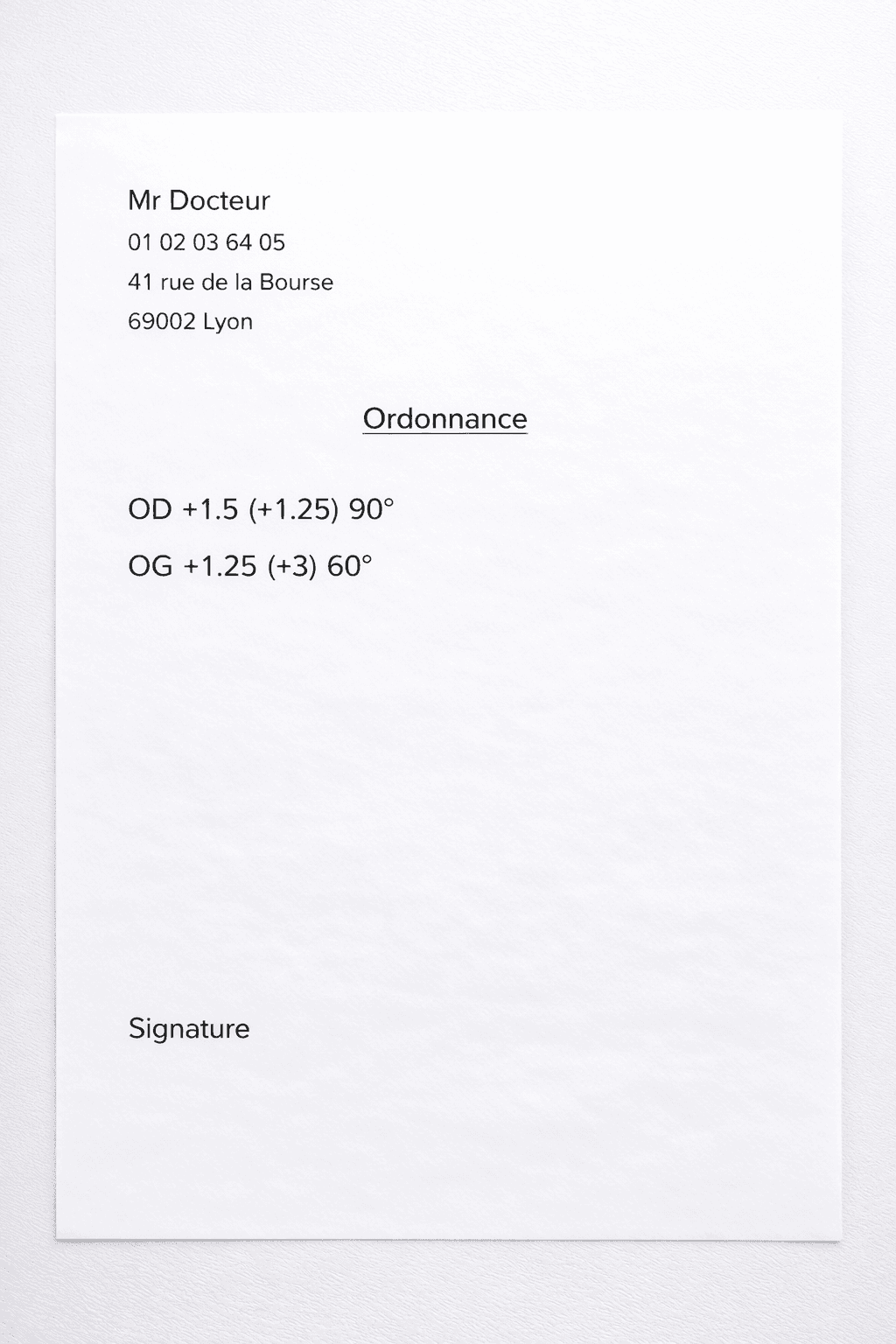
Decode your optical prescription: sphere, cylinder, axis, addition and pupillary distance, explained simply.
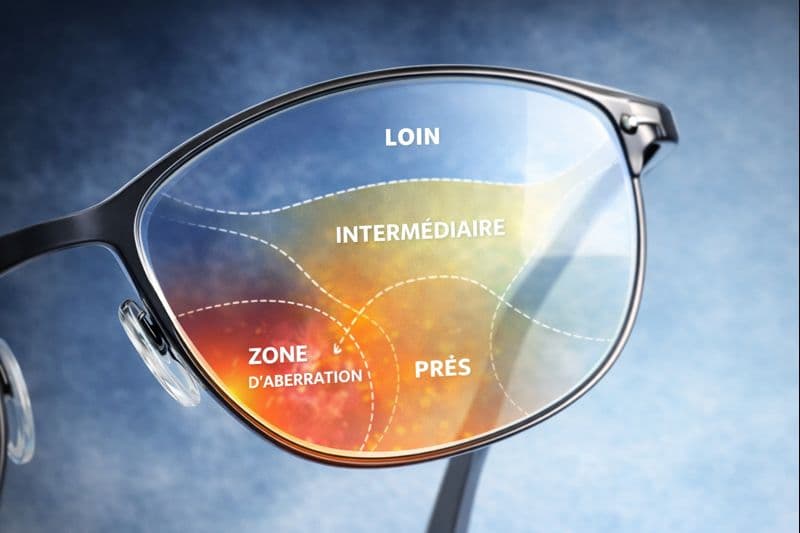
Find out whether progressive lenses suit you: their benefits, cost and how to choose well.