Care
Eyewear care tips
The right habits to clean, protect and extend the life of your glasses every day.
Ray-Ban
Ray-Ban sunglasses are chosen based on two distinct factors: the shape of the frame on the one hand, and the characteristics of the lenses on the other.
Ray-Ban sunglasses are chosen based on two distinct factors: the shape of the frame on the one hand, and the characteristics of the lenses on the other. The range brings together the brand’s iconic silhouettes and numerous contemporary designs, in both acetate and metal, with proportions that vary significantly from one model to another. As for the lenses, depending on the model, the range includes classic tints, gradient tints and polarised versions. The choice is therefore not limited to a single colour: it depends on the intended use and the specific characteristics of the chosen model. This page treats a pair of glasses as both a protective item and an accessory: filter type, tint, polarisation, dimensions, and the option to have corrective lenses fitted.
Ray-Ban sunglasses are chosen based on two distinct factors: the shape of the frame on the one hand, and the characteristics of the lenses on the other. The range brings together the brand’s iconic silhouettes and numerous contemporary designs, in both acetate and metal, with proportions that vary significantly from one model to another.
As for the lenses, depending on the model, the range includes classic tints, gradient tints and polarised versions. The choice is therefore not limited to a single colour: it depends on the intended use and the specific characteristics of the chosen model.
This page treats a pair of glasses as both a protective item and an accessory: filter type, tint, polarisation, dimensions, and the option to have corrective lenses fitted.
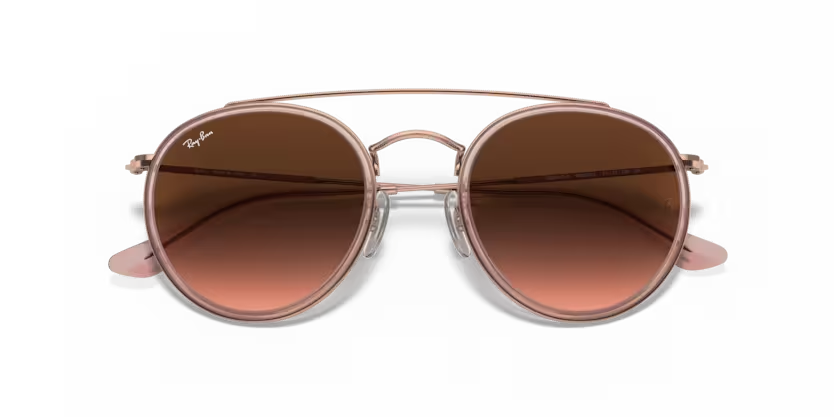 Ray-BanRB3647N159.00 €
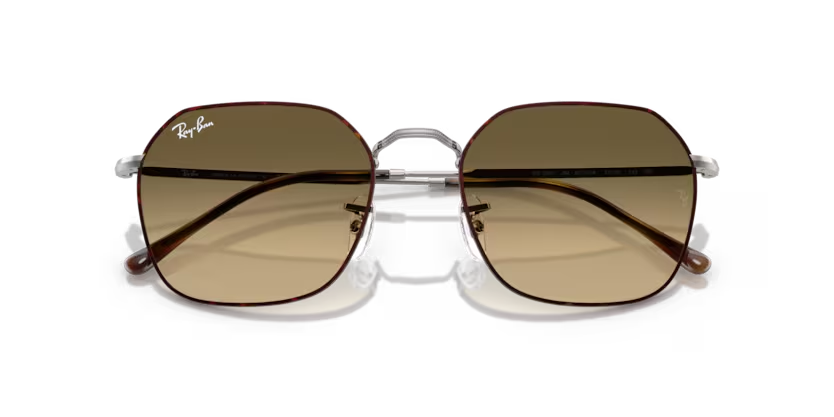 Ray-BanRB3694159.00 €
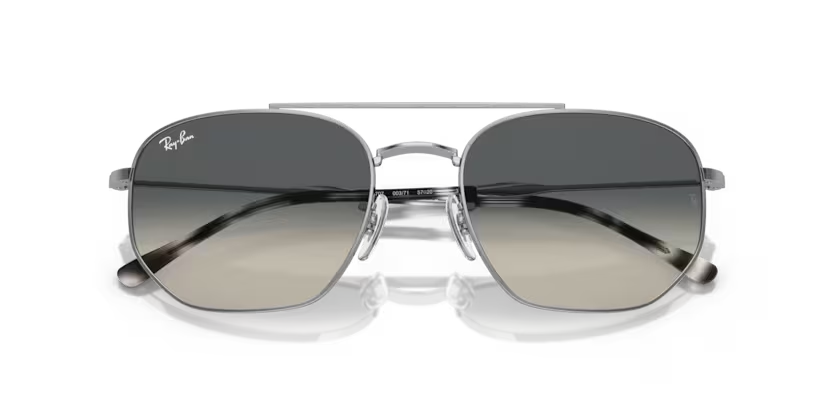 Ray-BanRB3707159.00 €
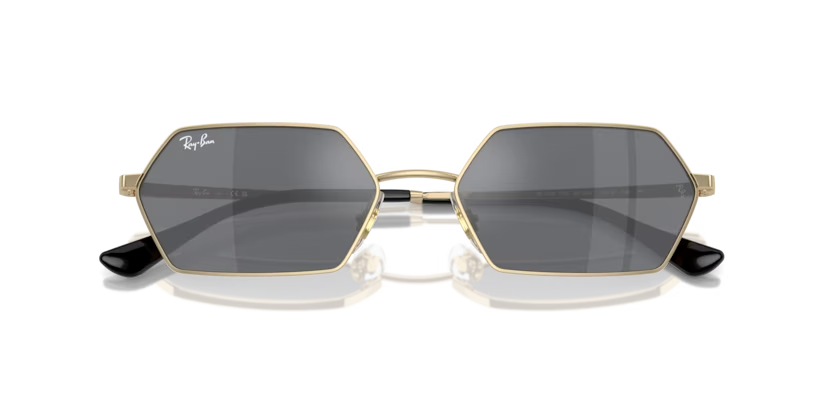 Ray-BanRB3728139.00 €
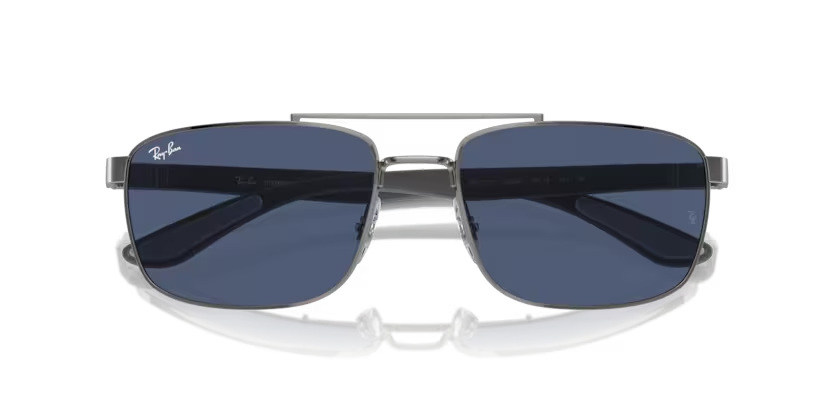 Ray-BanRB3737159.00 €
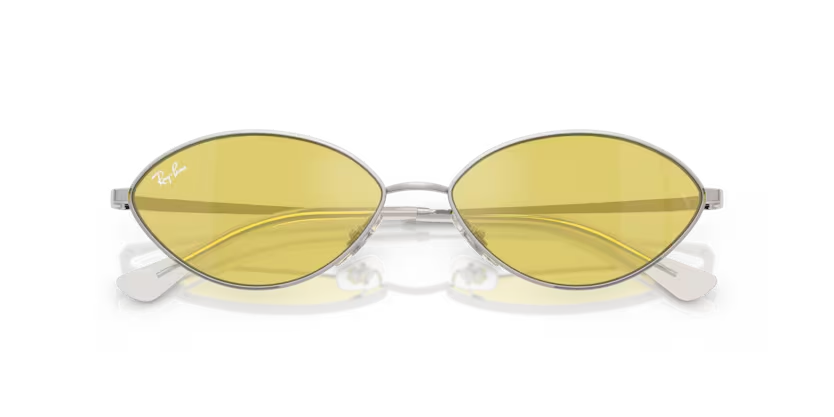 Ray-BanRB3757139.00 €
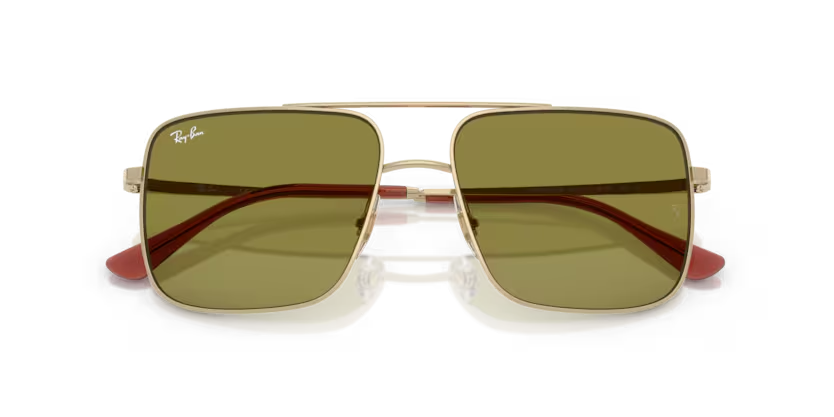 Ray-BanRB3758119.00 €
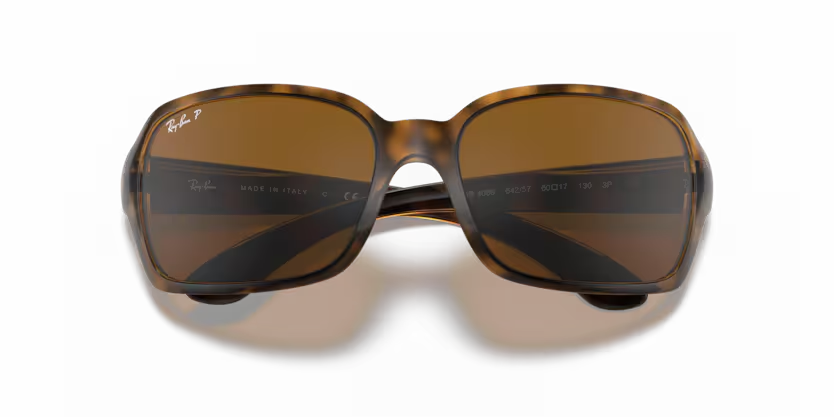 Ray-BanRB4068169.00 €
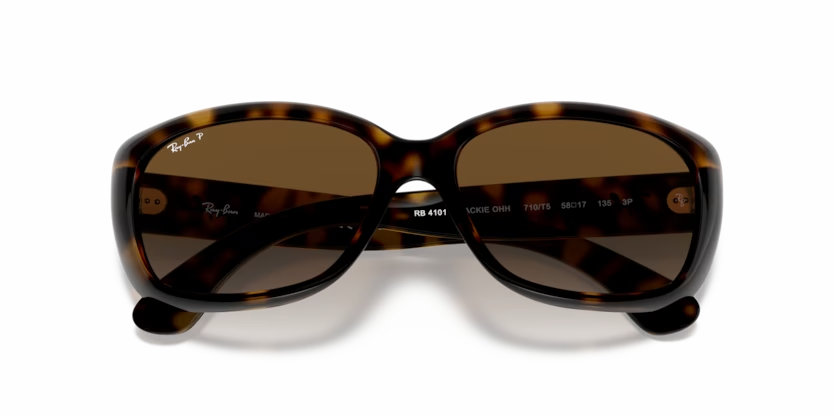 Ray-BanRB4101149.00 €
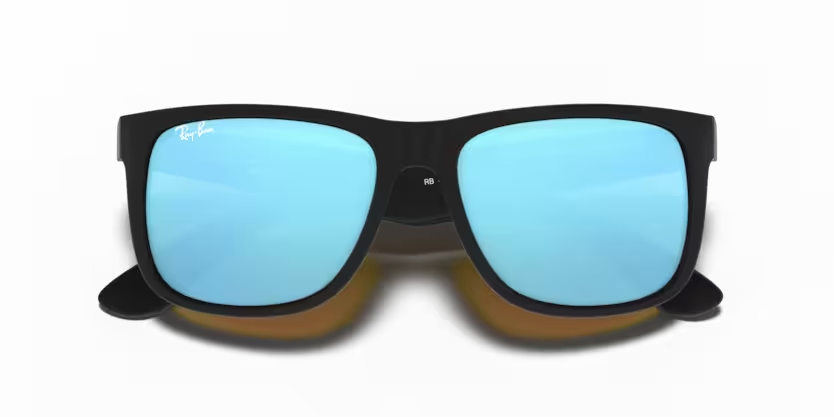 Ray-BanRB4165139.00 €
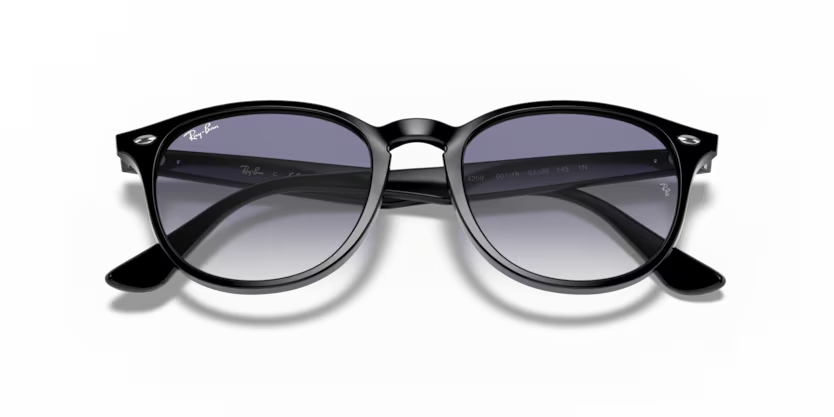 Ray-BanRB4259149.00 €
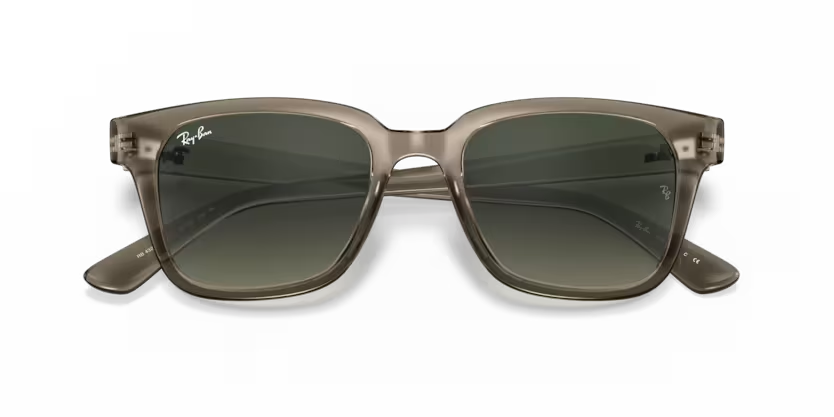 Ray-BanRB4323149.00 €
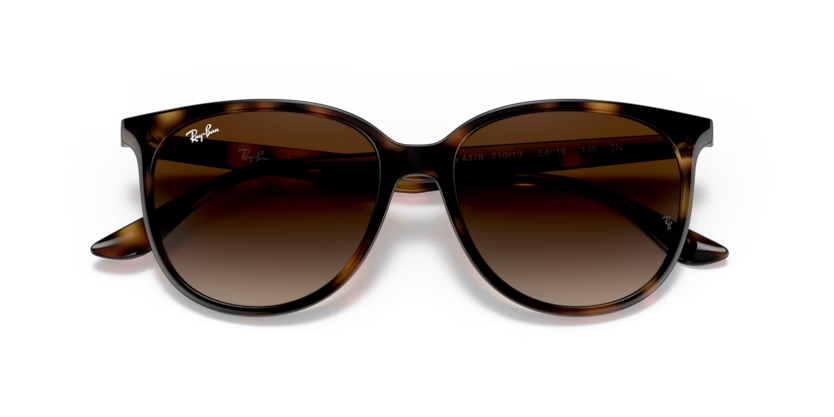 Ray-BanRB4378129.00 €
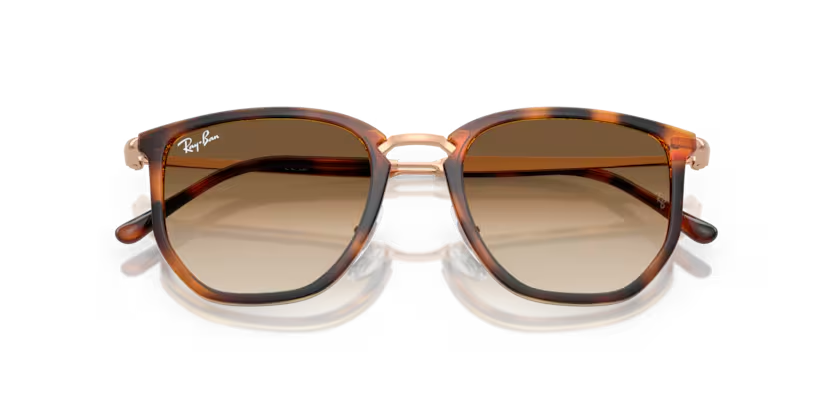 Ray-BanRB4451169.00 €
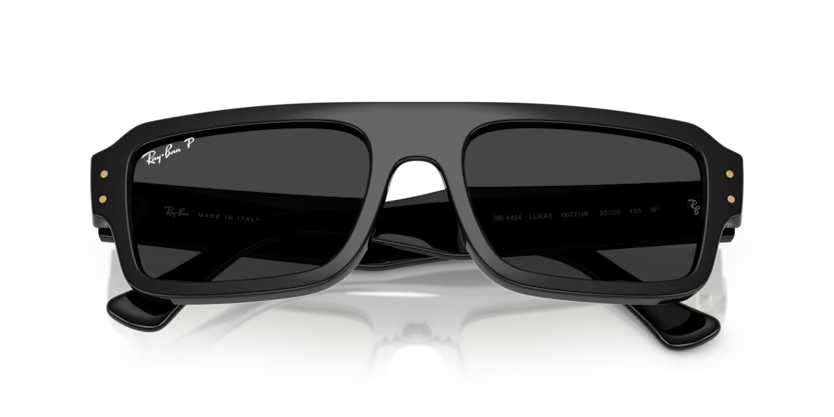 Ray-BanRB4454189.00 €
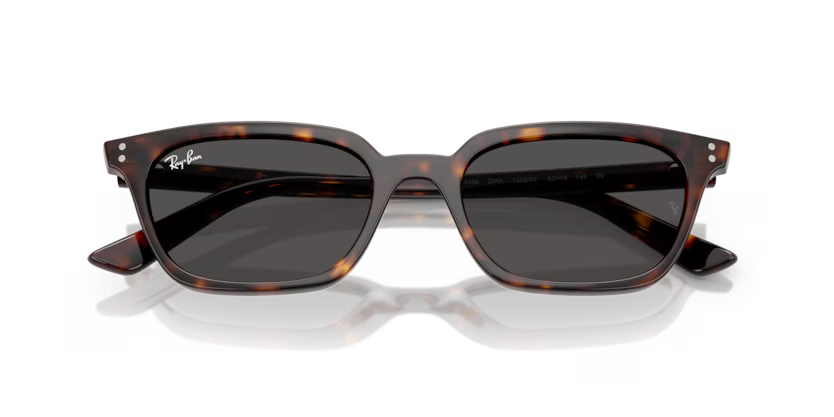 Ray-BanRB4456119.00 €
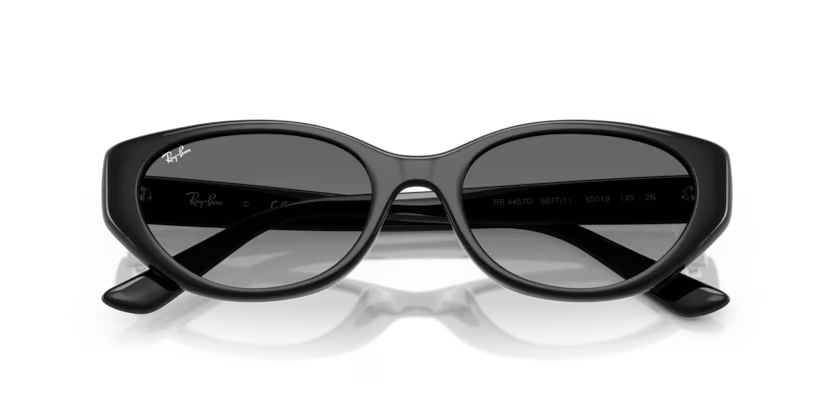 Ray-BanRB4457D129.00 €
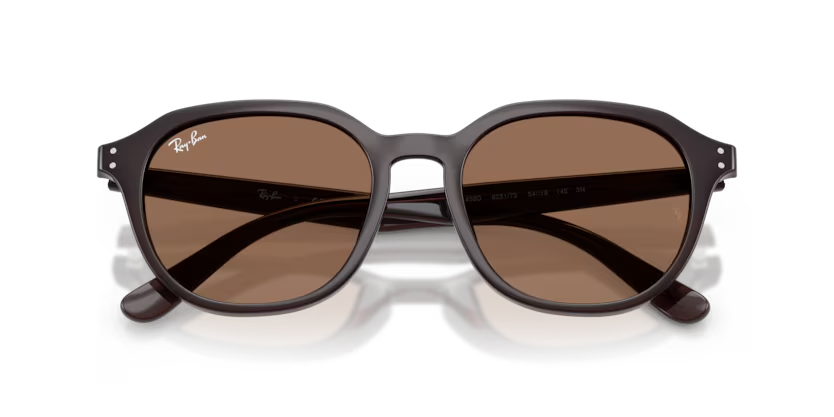 Ray-BanRB4459D119.00 €
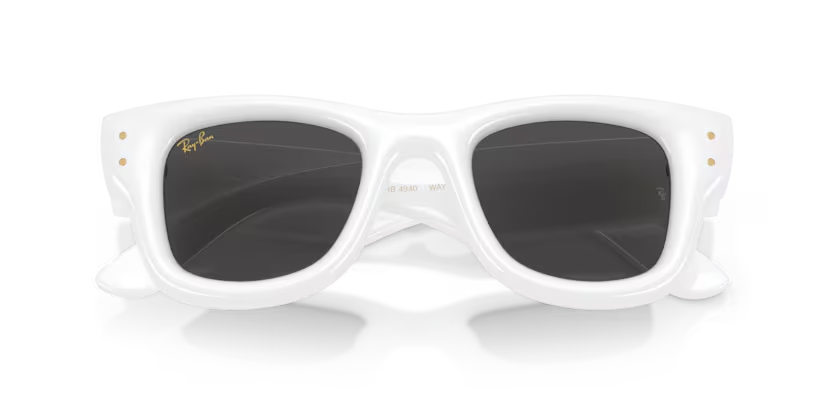 Ray-BanRB4940179.00 €
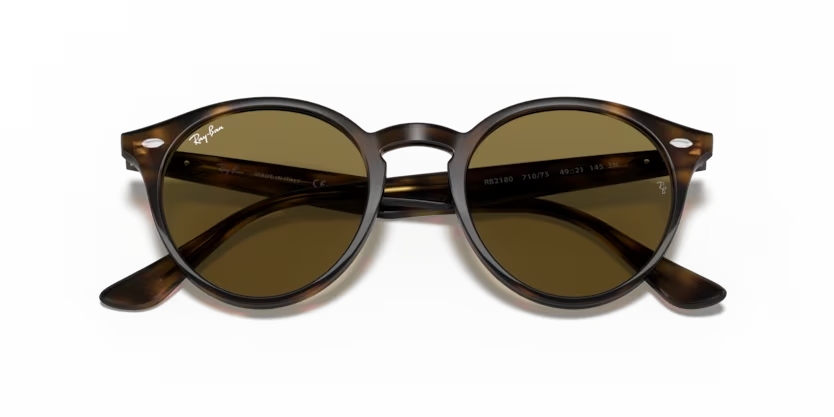 Ray-BanRB2180139.00 €
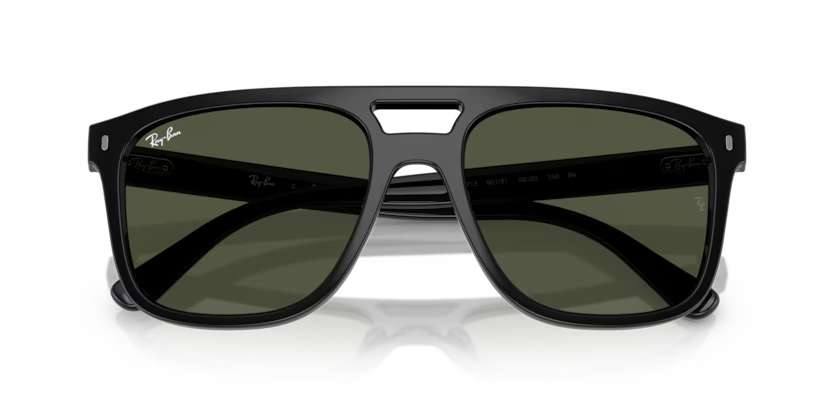 Ray-BanRB2213139.00 €
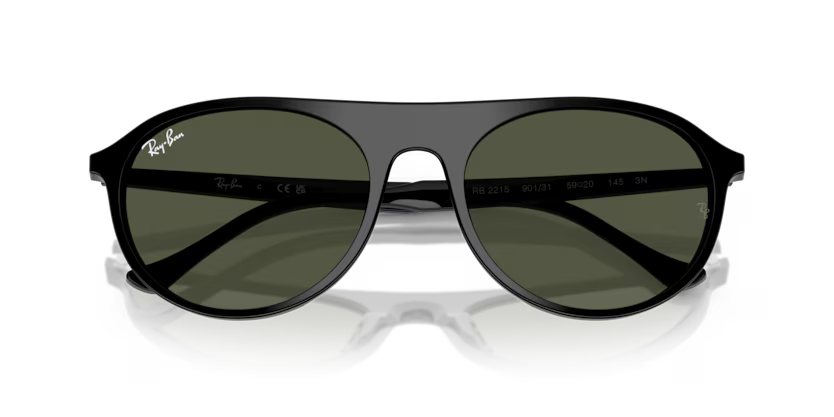 Ray-BanRB2215139.00 €
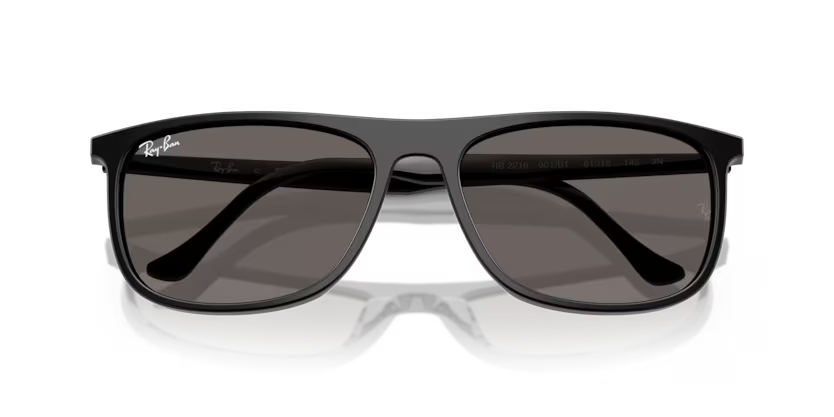 Ray-BanRB2216139.00 €
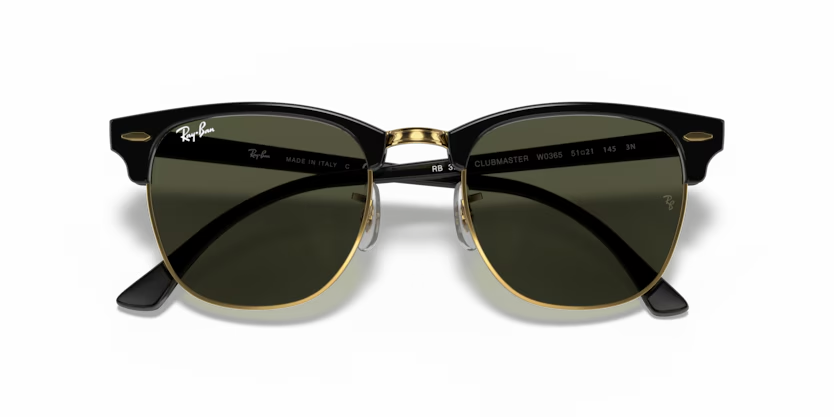 Ray-BanRB3016149.00 €
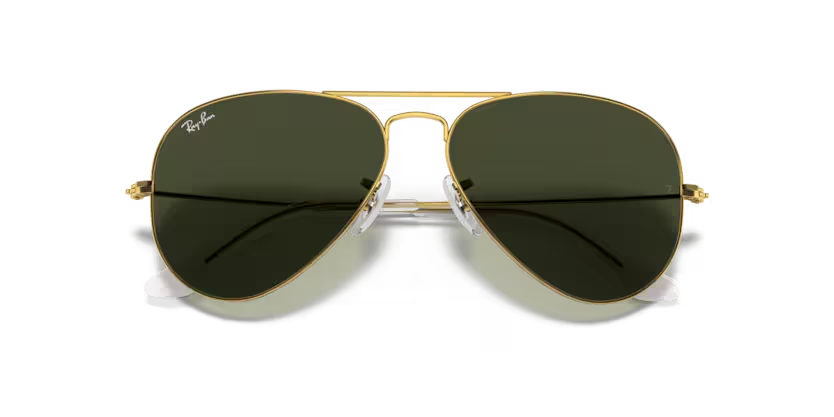 Ray-BanRB3025159.00 €
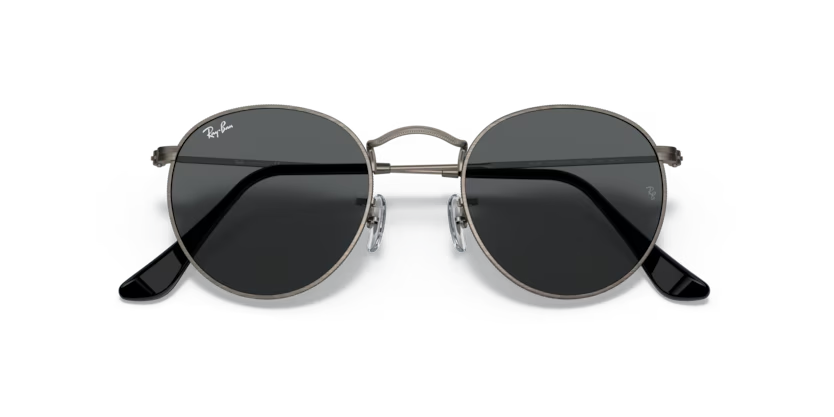 Ray-BanRB3447149.00 €
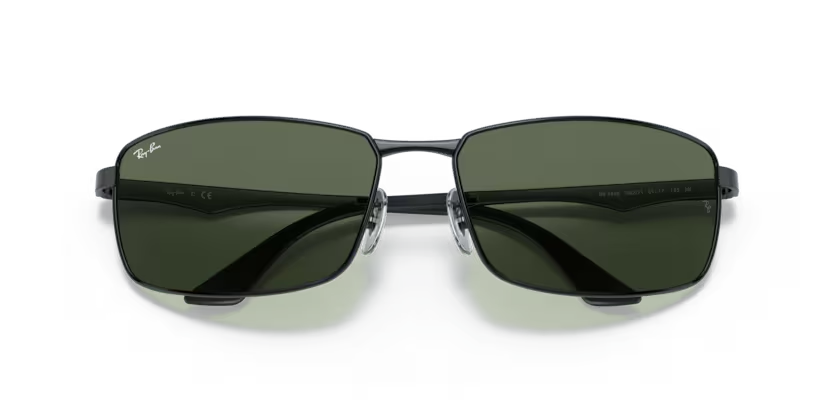 Ray-BanRB3498149.00 €
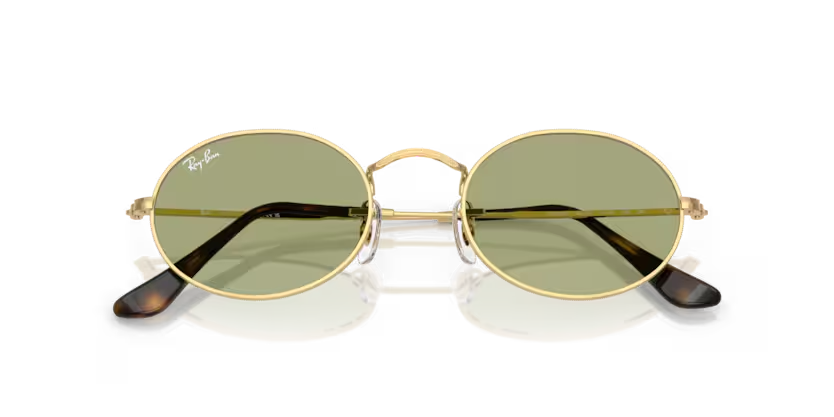 Ray-BanRB3547149.00 €
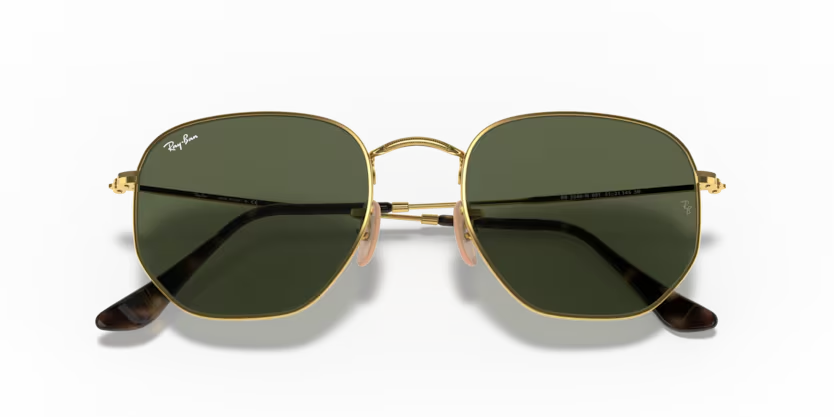 Ray-BanRB3548N149.00 €
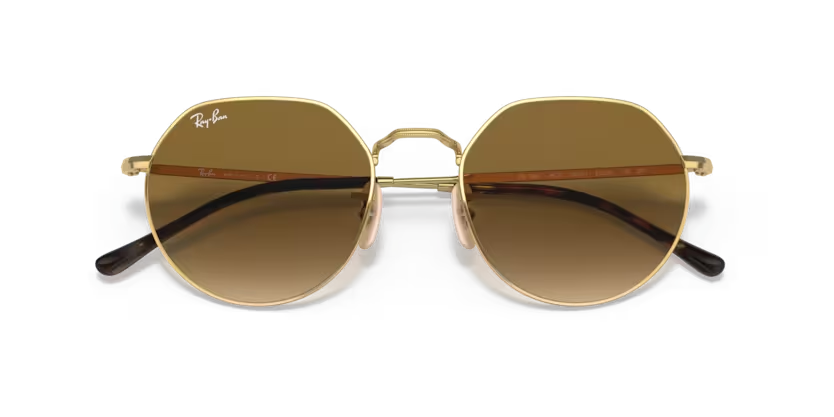 Ray-BanRB3565159.00 €
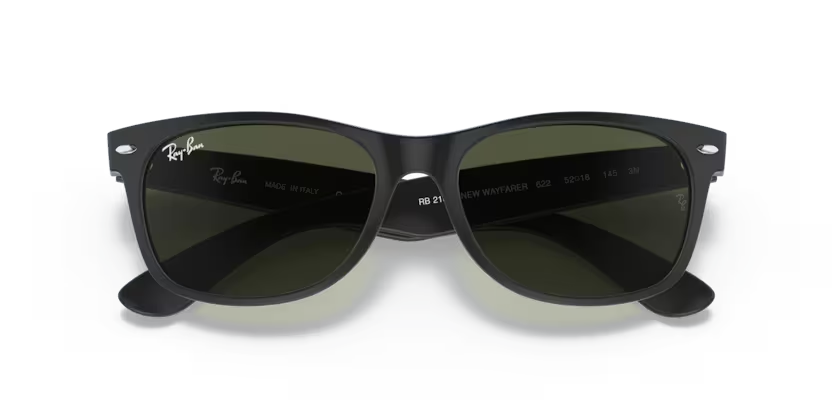 Ray-BanRB2132139.00 €
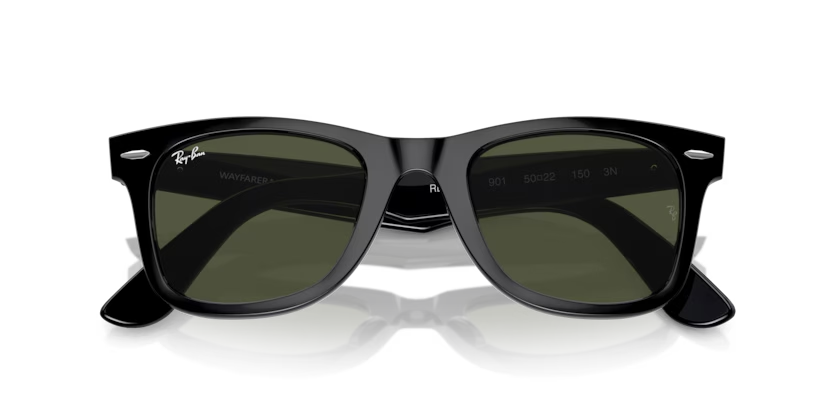 Ray-BanRB2140149.00 €
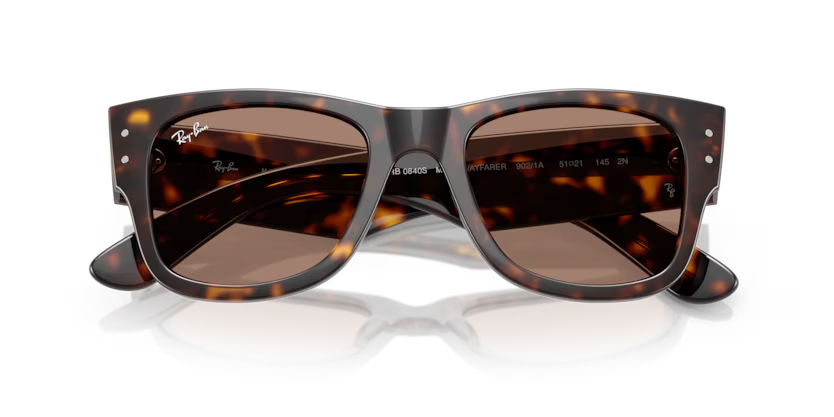 Ray-BanRB0840S159.00 €
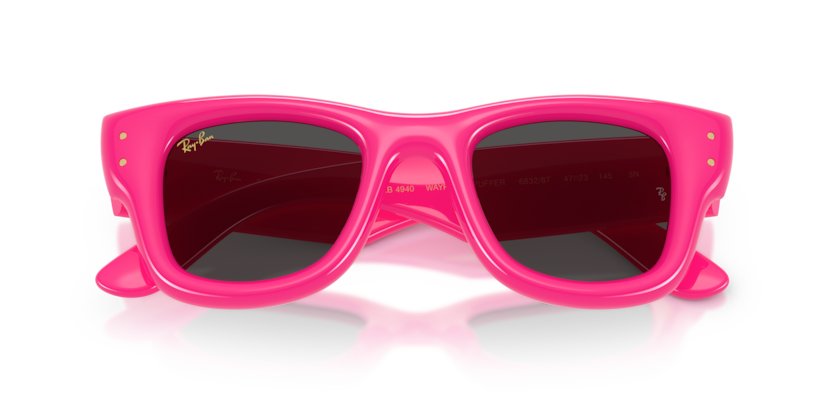 Ray-BanRB4940179.00 €
A: From €119 to €189. Three models start the range at €119 — the RB3758, the RB4456 and the RB4459D — whilst the RB4454 sits at the top end at €189. The four classic designs are priced between €149 and €159. These prices cover the frame fitted with its original sunglasses lenses, without prescription.
A: Plain, gradient and polarised lenses, depending on the model. G-15 and B-15 are among the brand’s signature lens tints. Gradient lenses are lighter at the bottom, whilst polarised lenses reduce glare from reflective surfaces. These features are specific to each model and are listed on the model’s product details page.
A: No: protection comes from the ultraviolet filter, not from the darkness of the tint. A dark lens without a filter is actually more risky, as it causes the pupil to dilate whilst still allowing the radiation to pass through. The category, ranging from 0 to 4, indicates the amount of light absorbed, not the level of UV protection.
A: For a large part of the range, yes, with plain, gradient or polarised lenses depending on the model. The deciding factor is the curvature of the frame combined with the prescription strength: the more wraparound the frame, the smaller the margin. Please let us know the reference number of the frame you’re interested in and your prescription, and we’ll get back to you before you place your order.
A: Our sunglasses frame widths range from 47 to 61 mm, a wide range for a single brand. Compare the measurement shown on the product page with that of a pair you already wear, then check the bridge and the length of the arms. On a narrow face, larger frame sizes extend beyond the temples and the frame loses its balance.
A: The gradient varies in shade: darker at the top, lighter at the bottom, allowing the wearer to view a dashboard or screen without lifting their glasses. Polarised lenses reduce glare and filter out light reflected from horizontal surfaces. The two serve different purposes and may coexist in separate models within the same range.
The right habits to clean, protect and extend the life of your glasses every day.
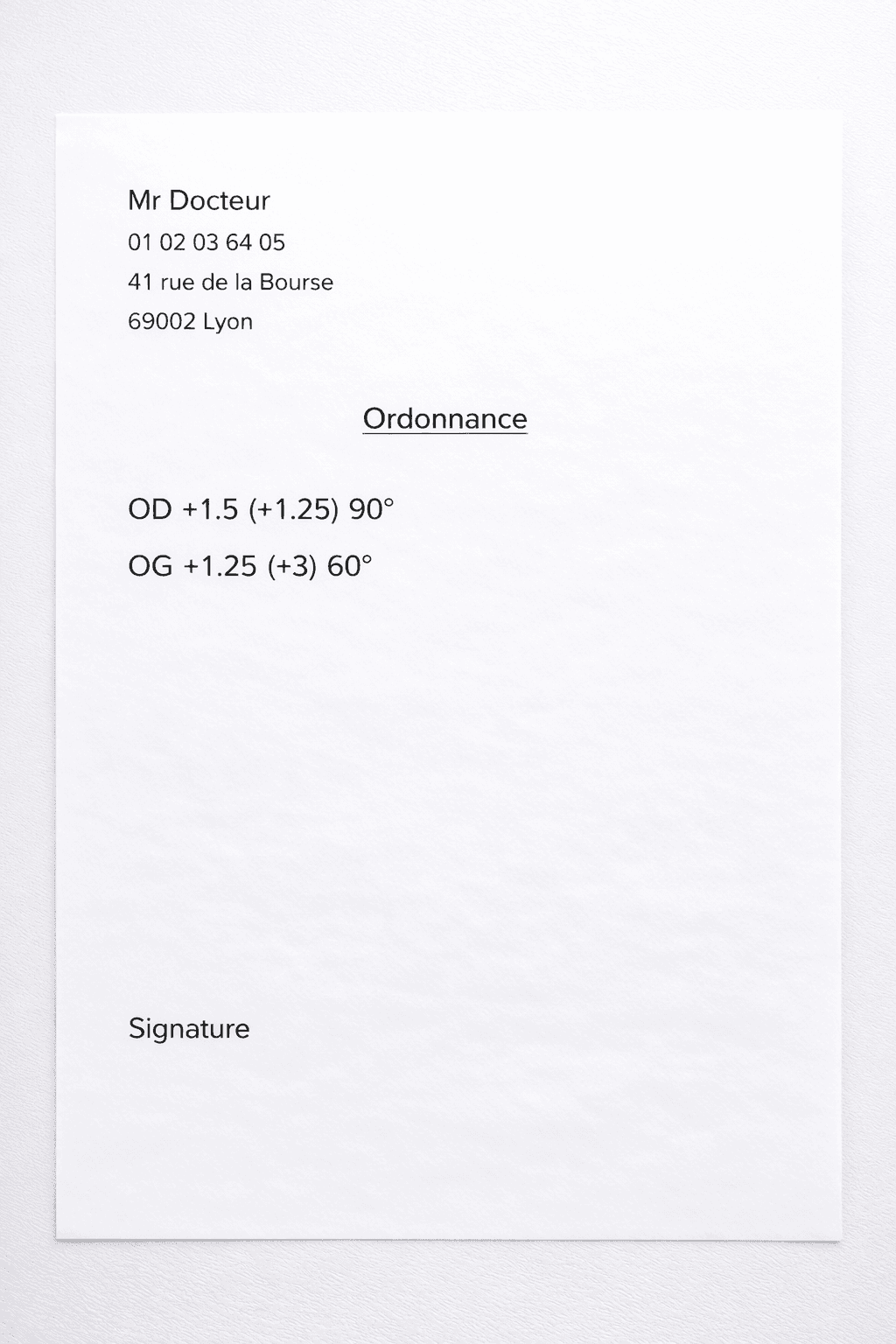
Decode your optical prescription: sphere, cylinder, axis, addition and pupillary distance, explained simply.
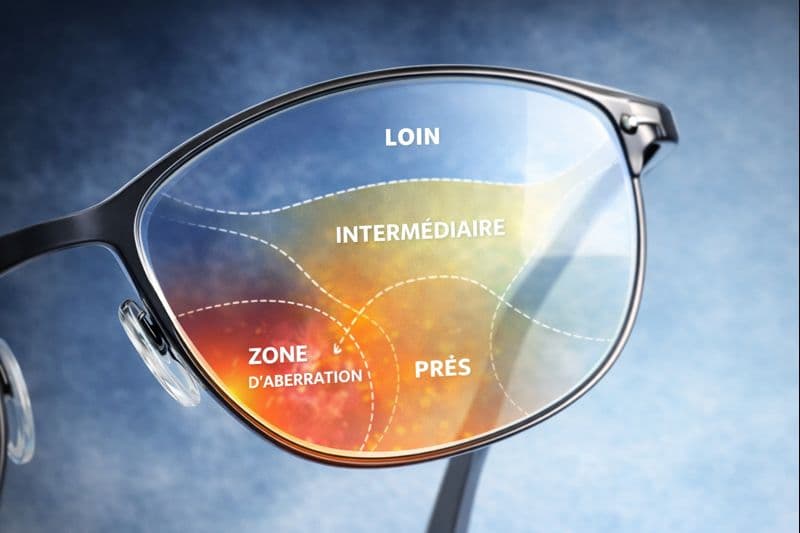
Find out whether progressive lenses suit you: their benefits, cost and how to choose well.