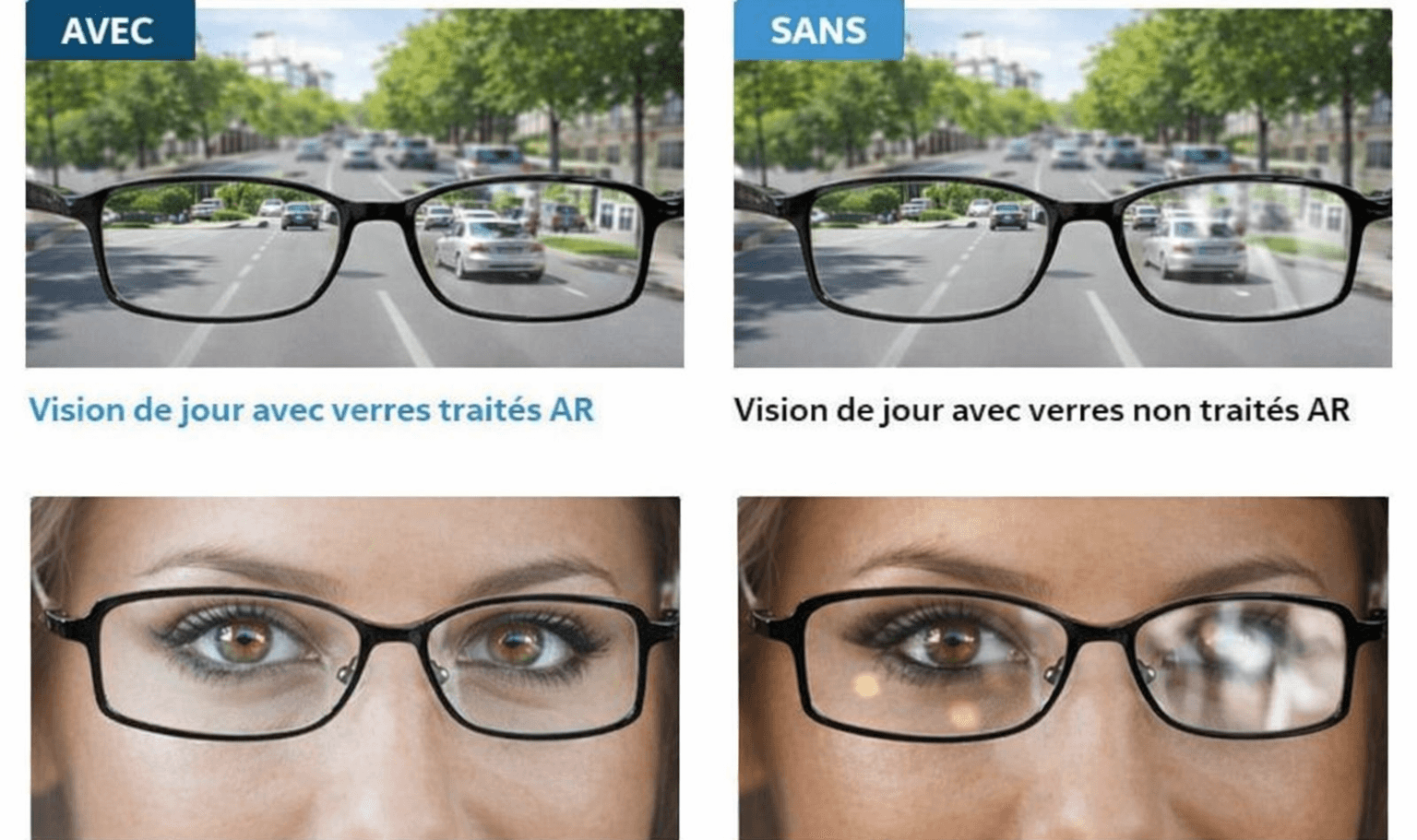
Care
Eyewear care tips
The right habits to clean, protect and extend the life of your glasses every day.
Our Brands
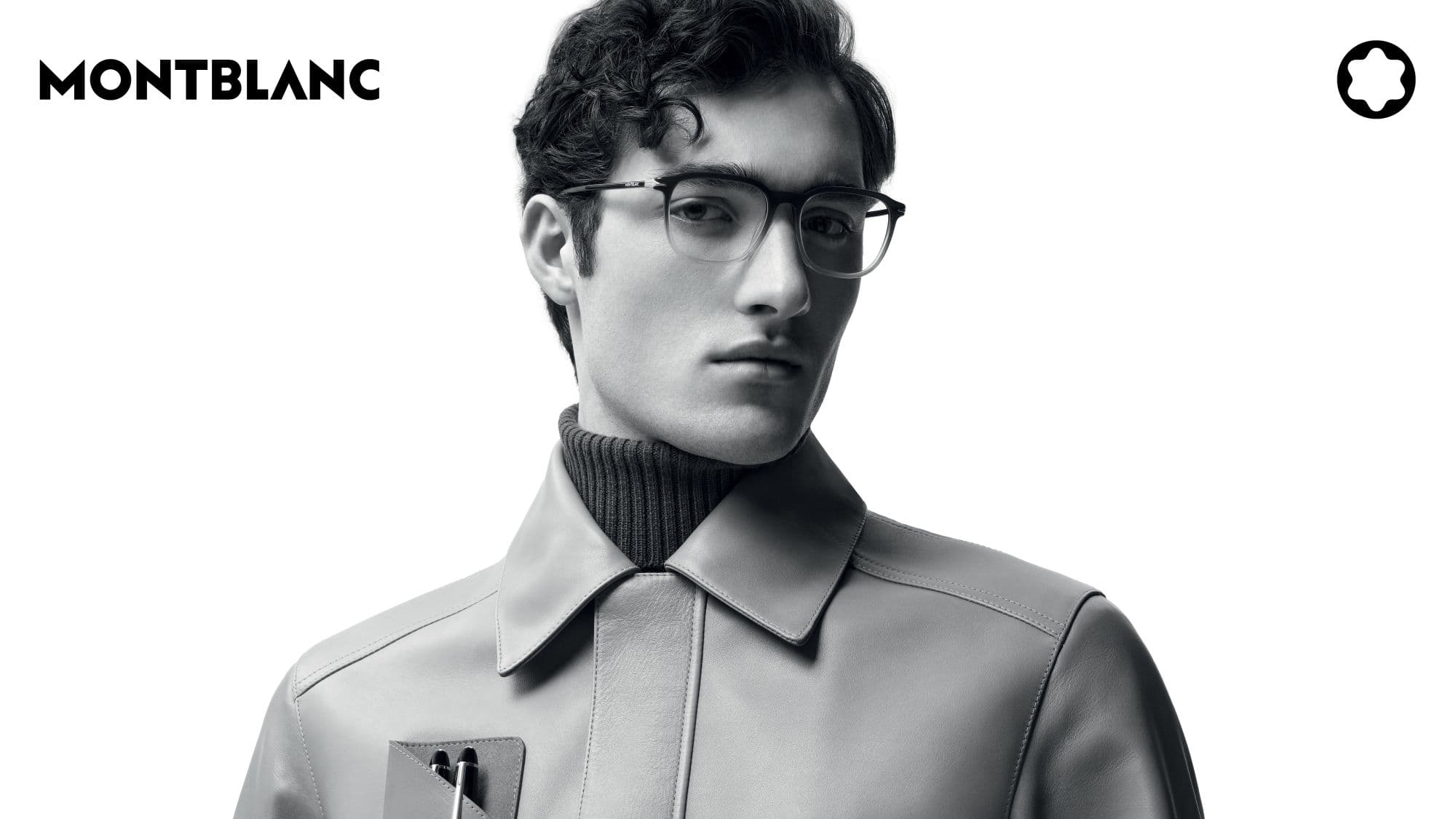
Montblanc eyewear extends the identity of a brand built on writing instruments, craftsmanship and attention to detail into the world of eyewear.
Montblanc eyewear extends the identity of a brand built on writing instruments, craftsmanship and attention to detail into the world of eyewear. Founded in Hamburg in 1906, Montblanc initially developed writing instruments before expanding its range to include leather goods, watches, accessories and eyewear. In the eyewear collections, this heritage is reflected in the details inspired by the Meisterstück, in the use of the snow-capped peak motif, and in the frames crafted from metal, acetate or injection-moulded materials. These design elements are not universal: they vary according to models and collections, and there is no single Montblanc design applied across the entire eyewear range. Our Montblanc range is exclusively for men and covers both types: prescription frames and sunglasses. Each model can be viewed individually: shape, dimensions, materials and optical characteristics vary from one model to another.
Montblanc eyewear extends the identity of a brand built on writing instruments, craftsmanship and attention to detail into the world of eyewear. Founded in Hamburg in 1906, Montblanc initially developed writing instruments before expanding its range to include leather goods, watches, accessories and eyewear.
In the eyewear collections, this heritage is reflected in the details inspired by the Meisterstück, in the use of the snow-capped peak motif, and in the frames crafted from metal, acetate or injection-moulded materials. These design elements are not universal: they vary according to models and collections, and there is no single Montblanc design applied across the entire eyewear range.
Our Montblanc range is exclusively for men and covers both types: prescription frames and sunglasses. Each model can be viewed individually: shape, dimensions, materials and optical characteristics vary from one model to another.
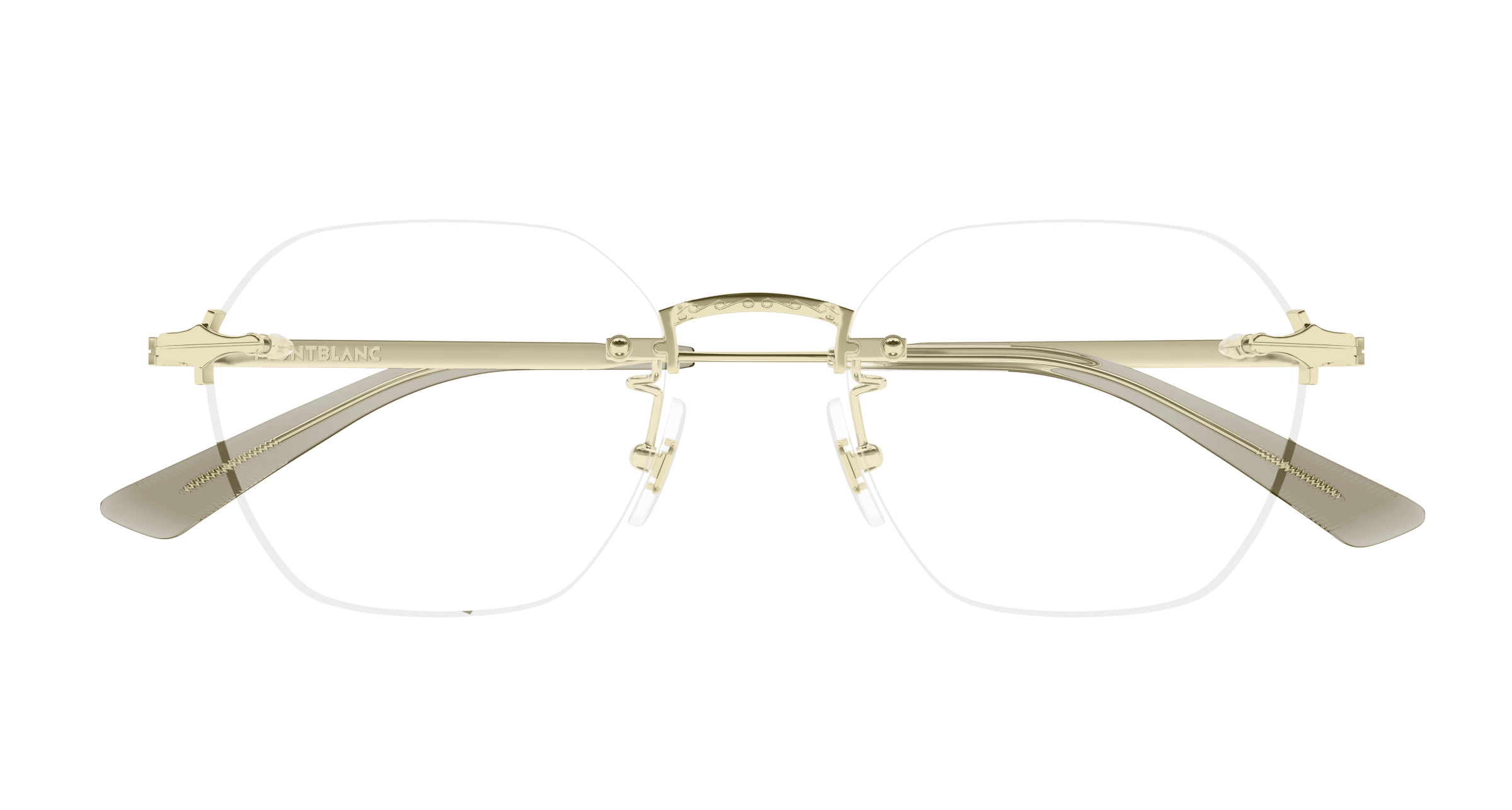 MontblancMB0403O249.00 €
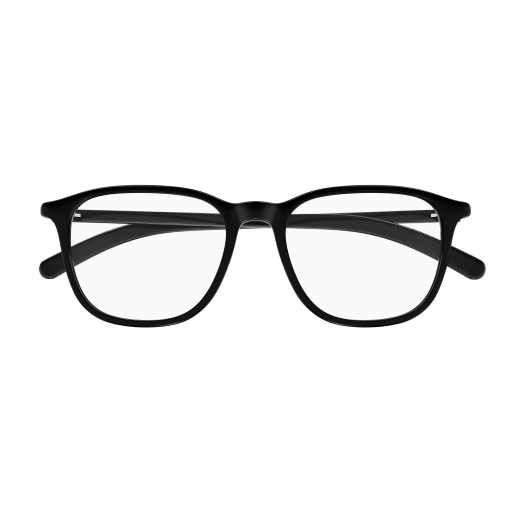 MontblancMB0386O159.00 €
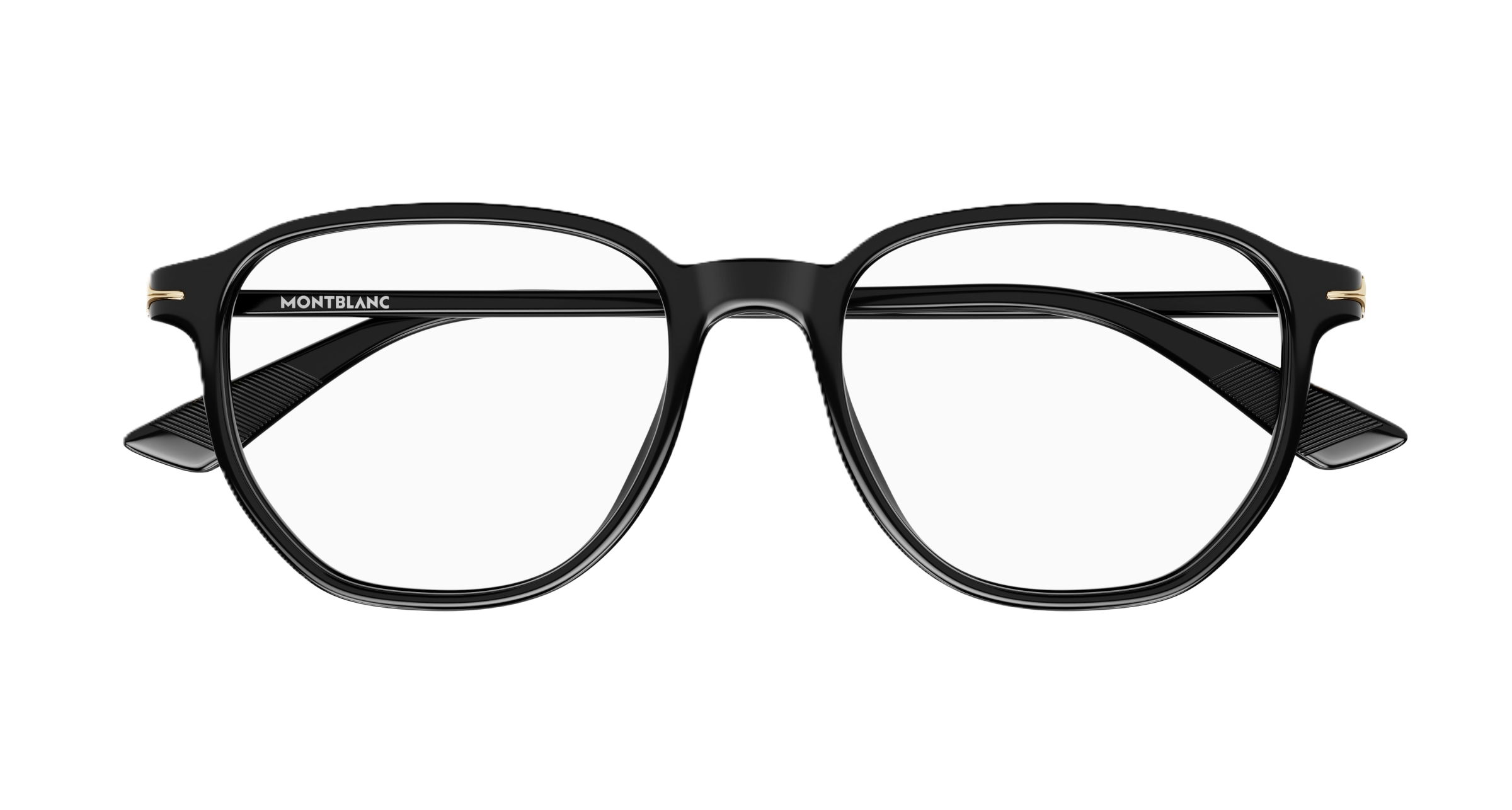 MontblancMB0366O229.00 €
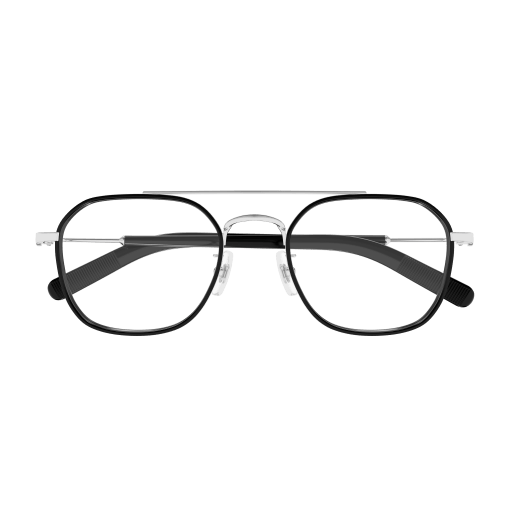 MontblancMB0391OA199.00 €
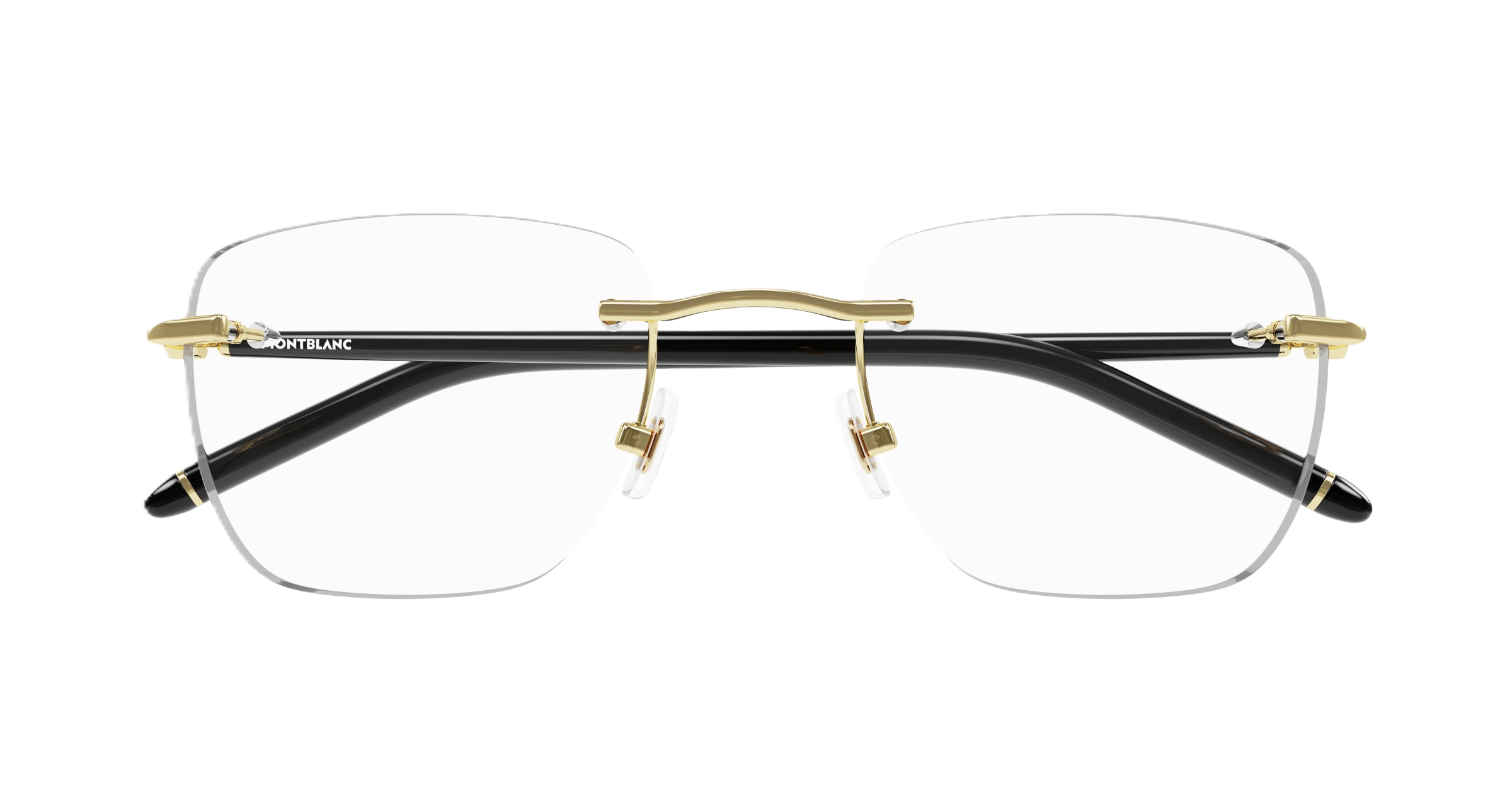 MontblancMB0274O229.00 €
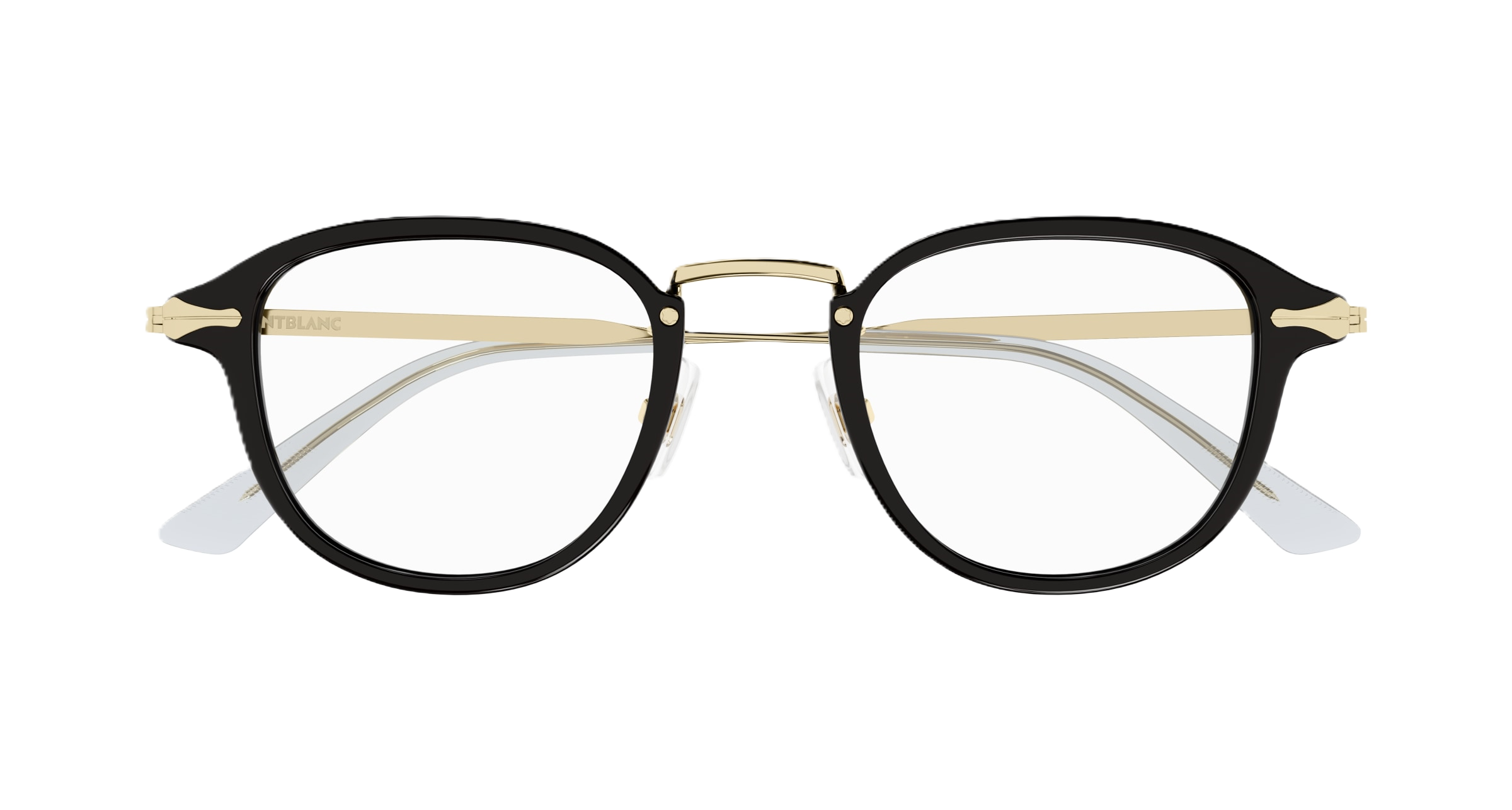 MontblancMB0336O249.00 €
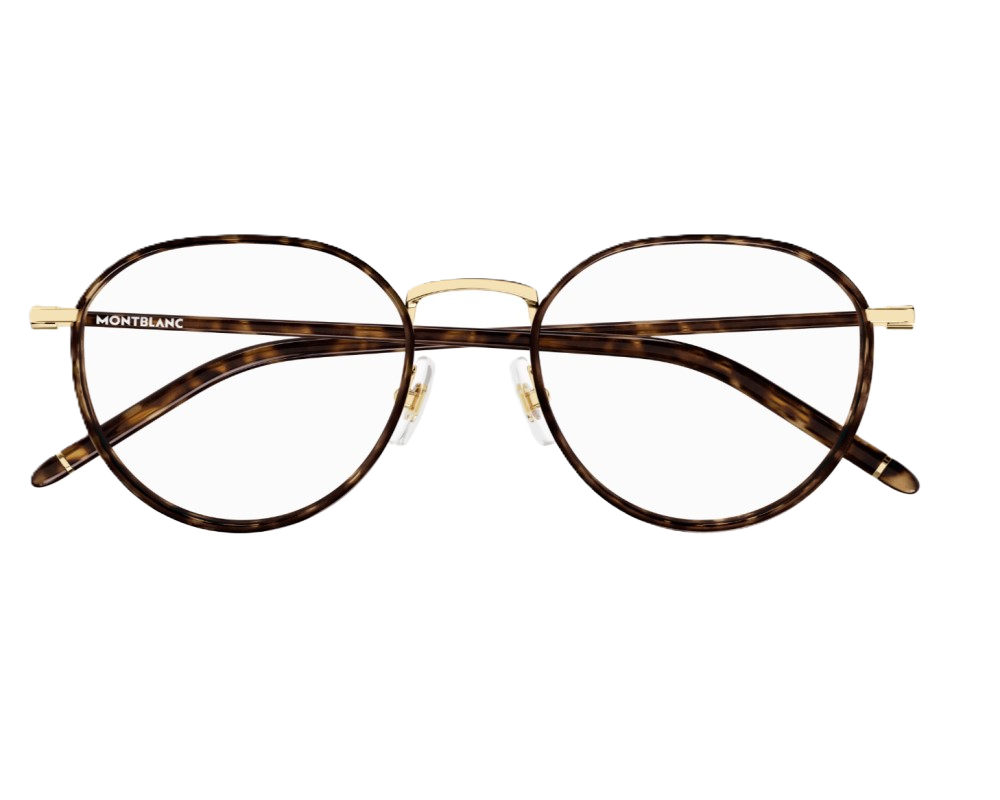 MontblancMB0342OA259.00 €
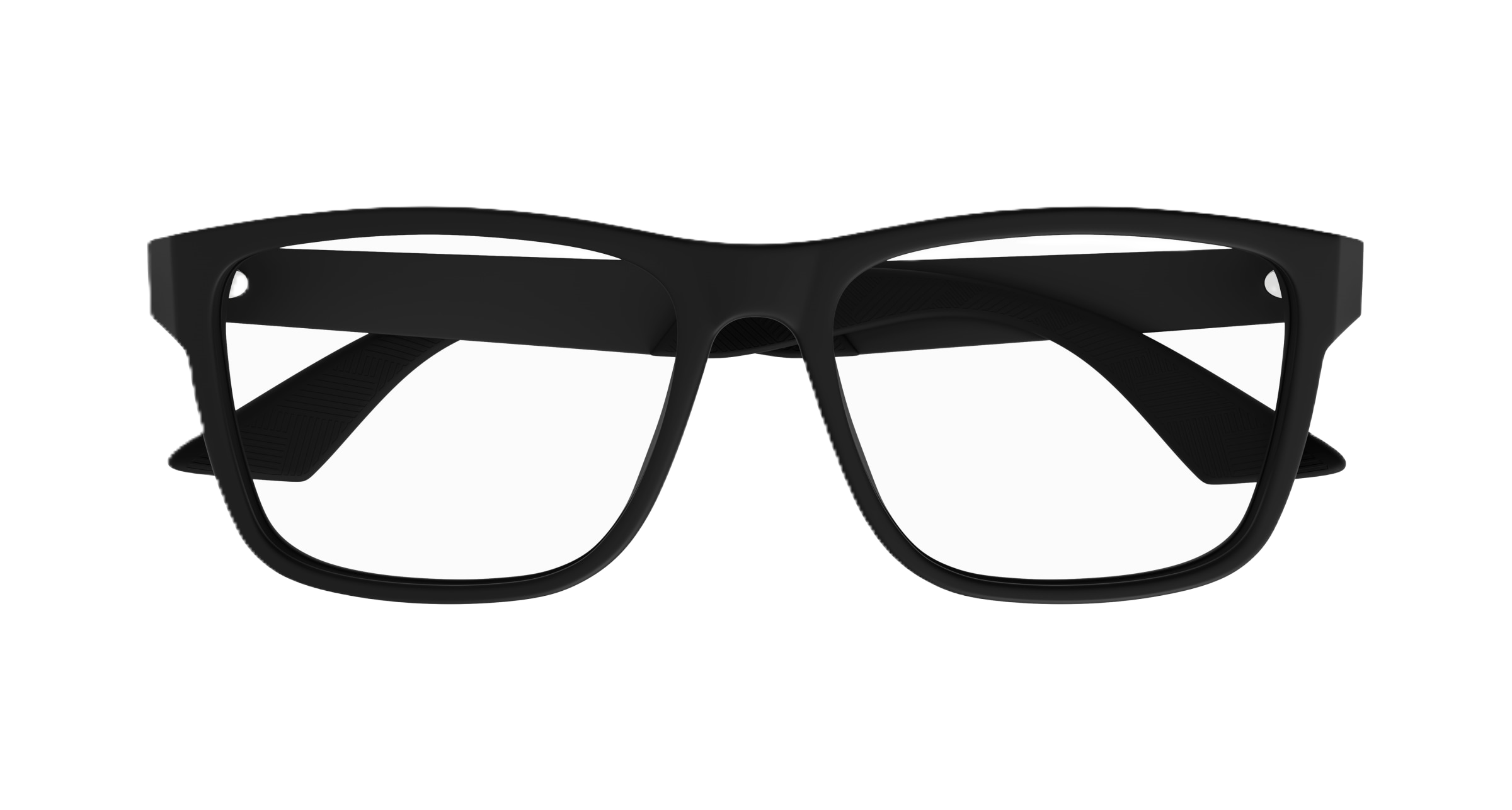 MontblancMB0300O209.00 €
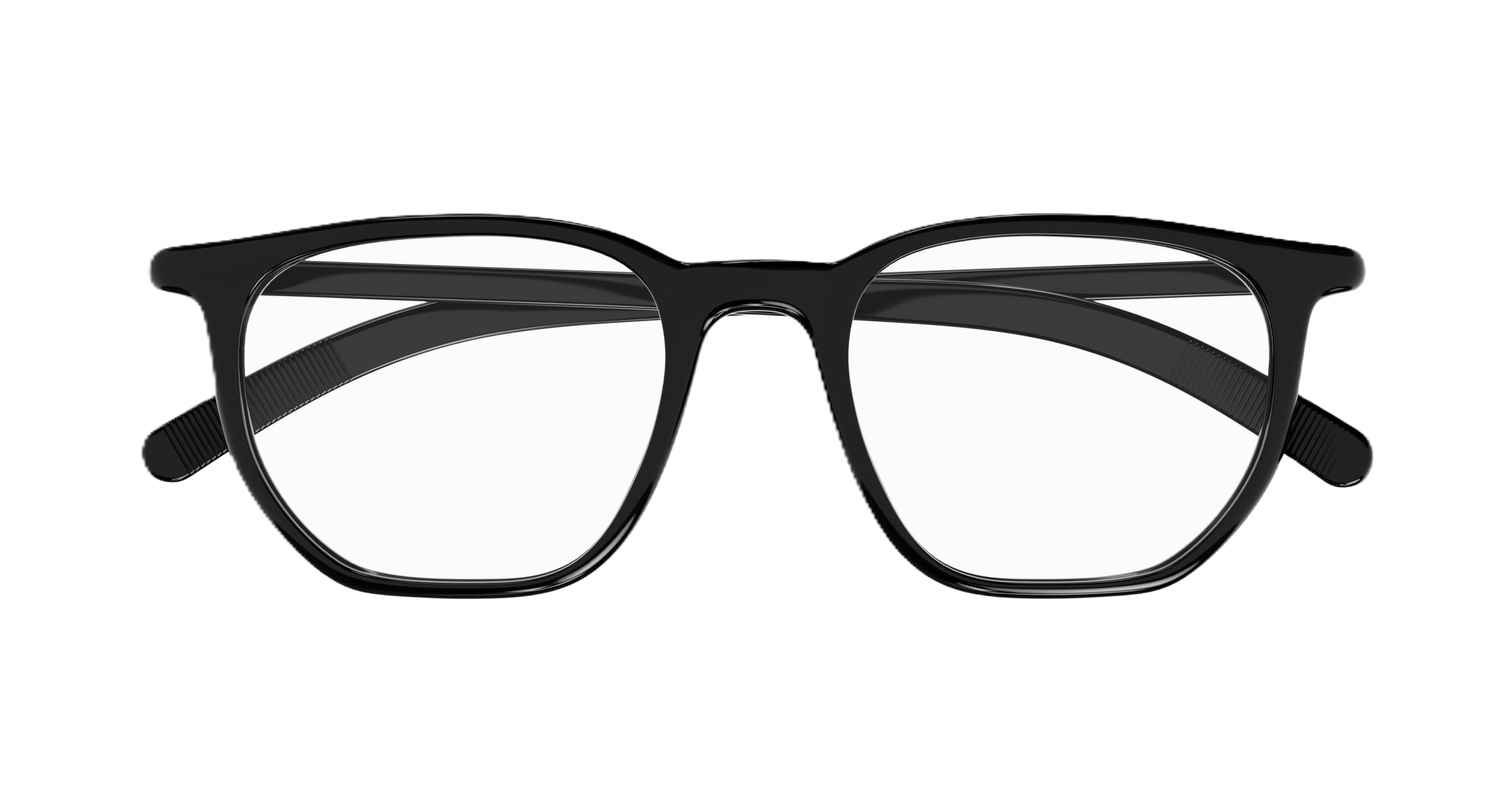 MontblancMB0349O159.00 €
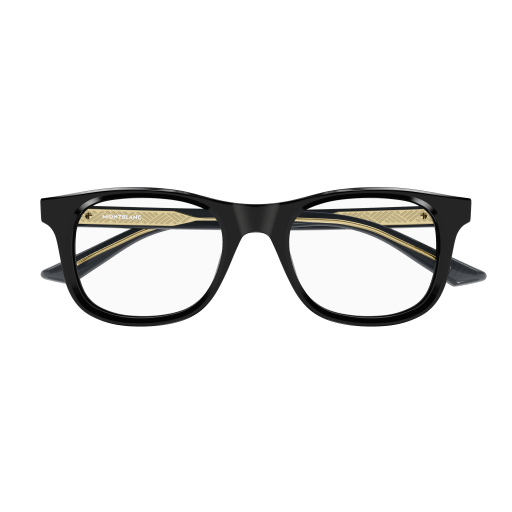 MontblancMB0385O199.00 €
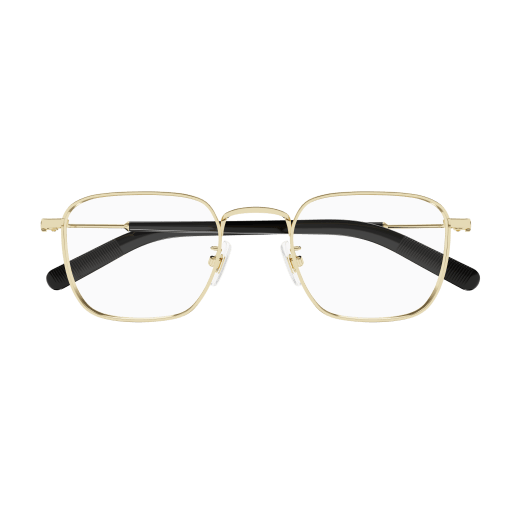 MontblancMB0389O189.00 €
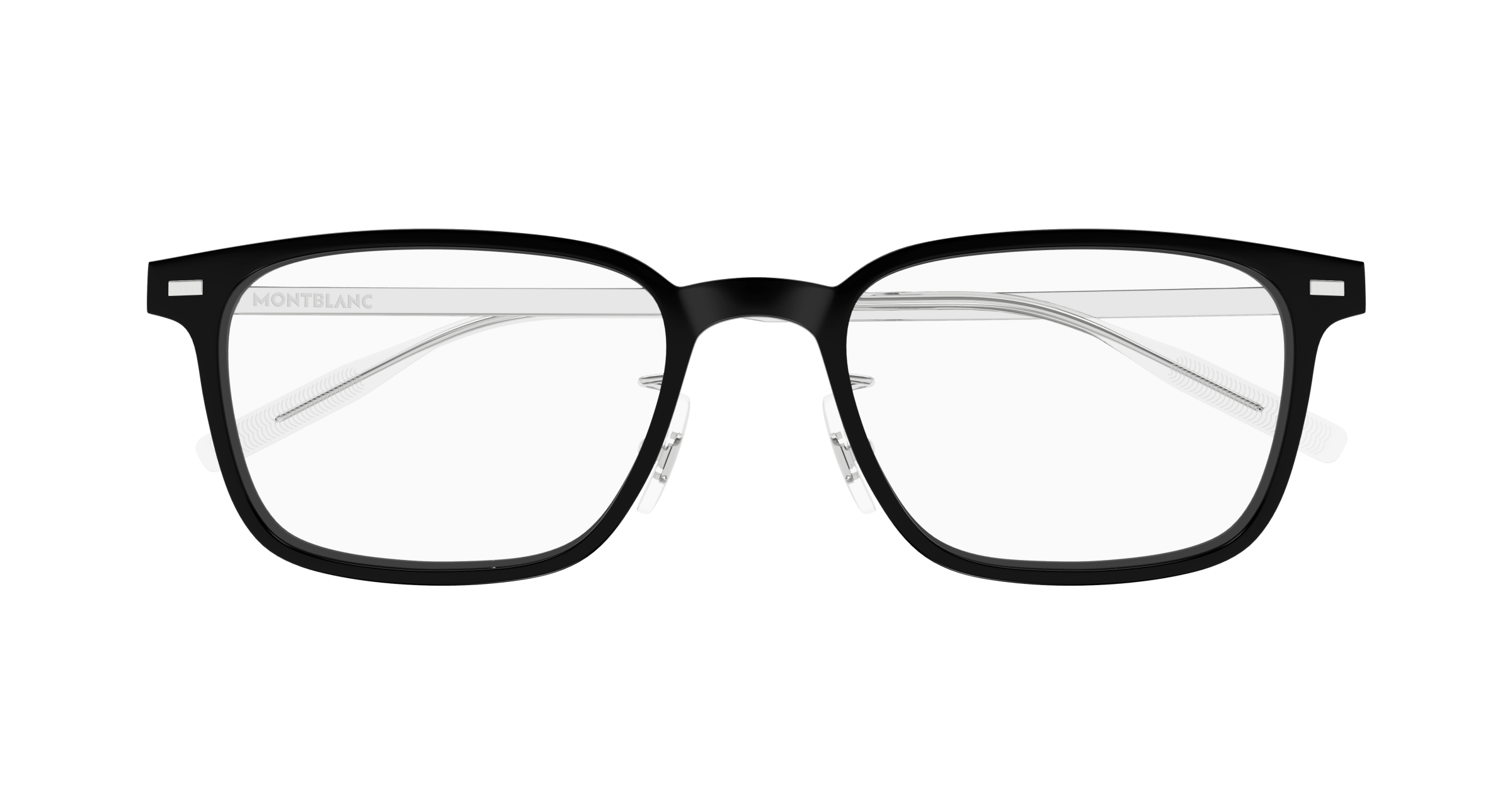 MontblancMB0394ON199.00 €
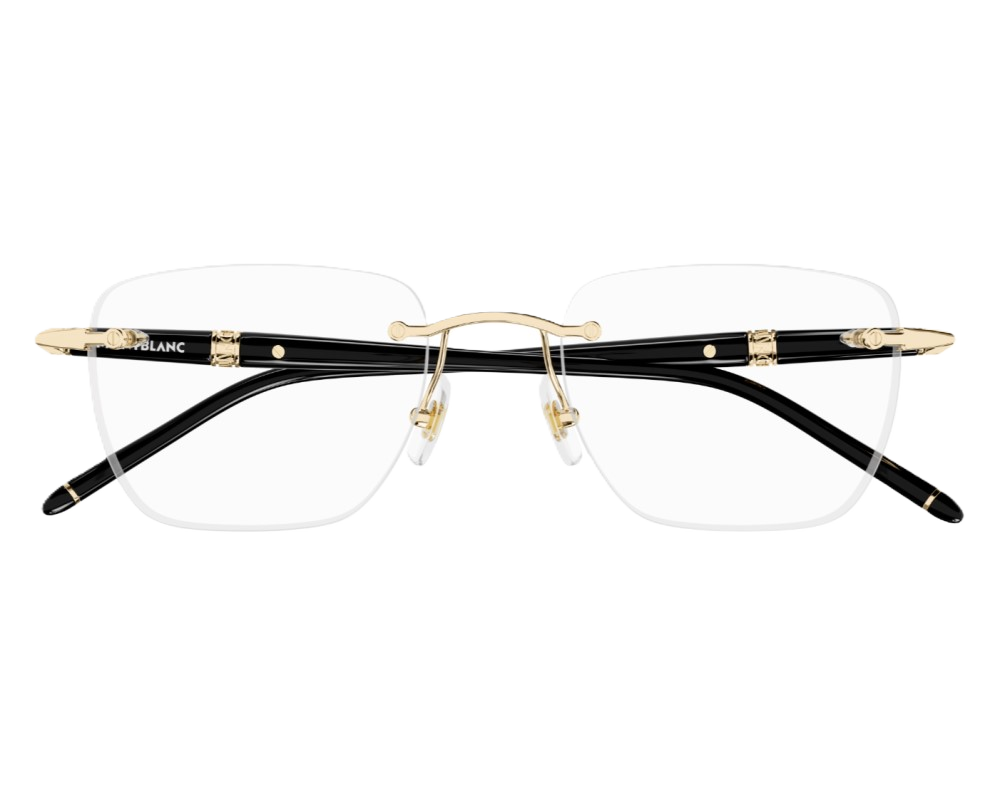 MontblancMB0346O259.00 €
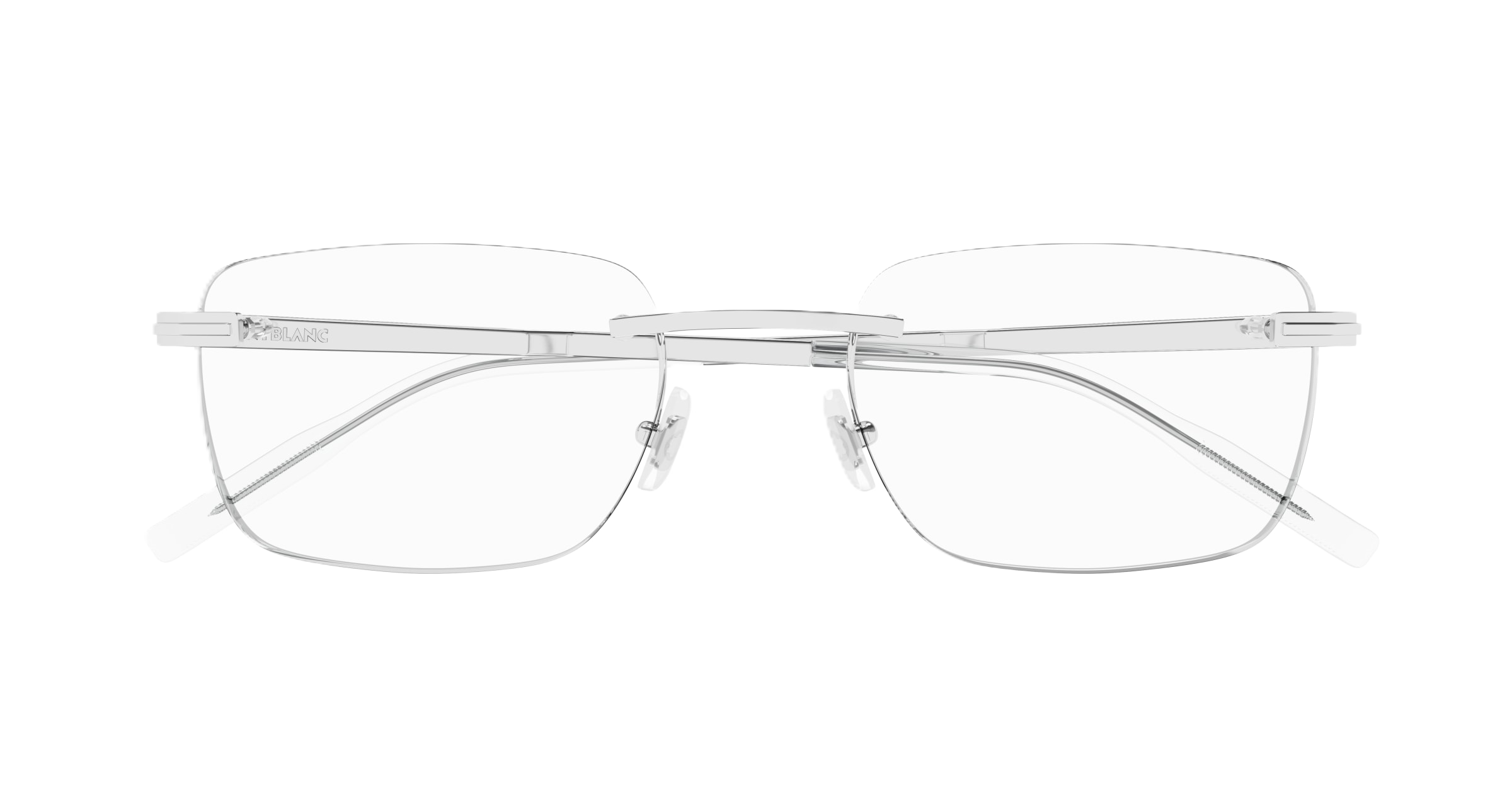 MontblancMB0279O249.00 €
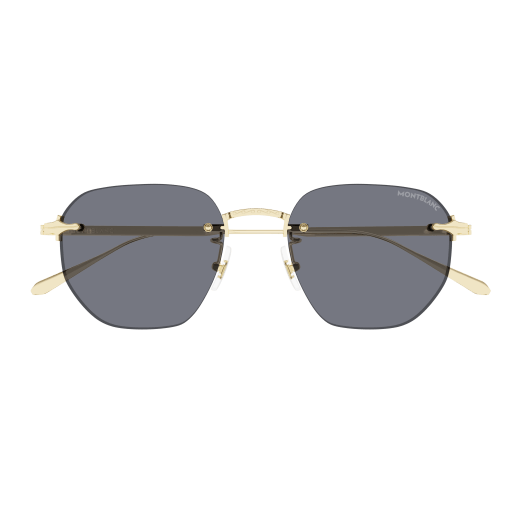 MontblancMB0405S259.00 €
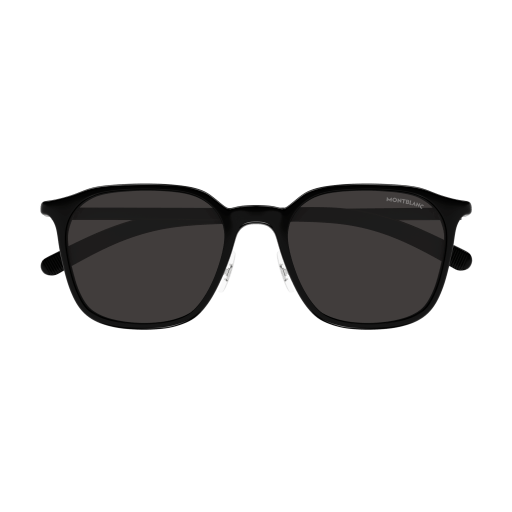 MontblancMB420SK169.00 €
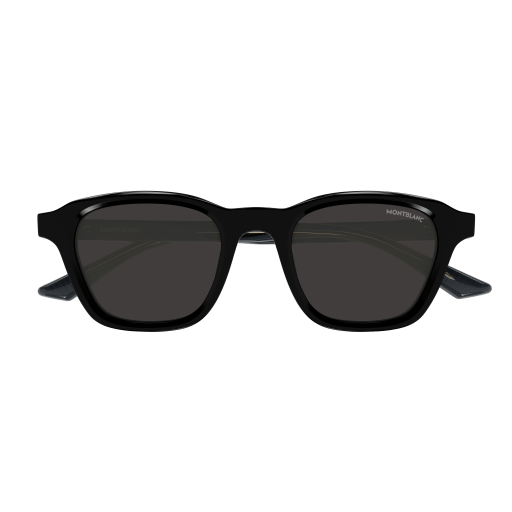 MontblancMB0384S249.00 €
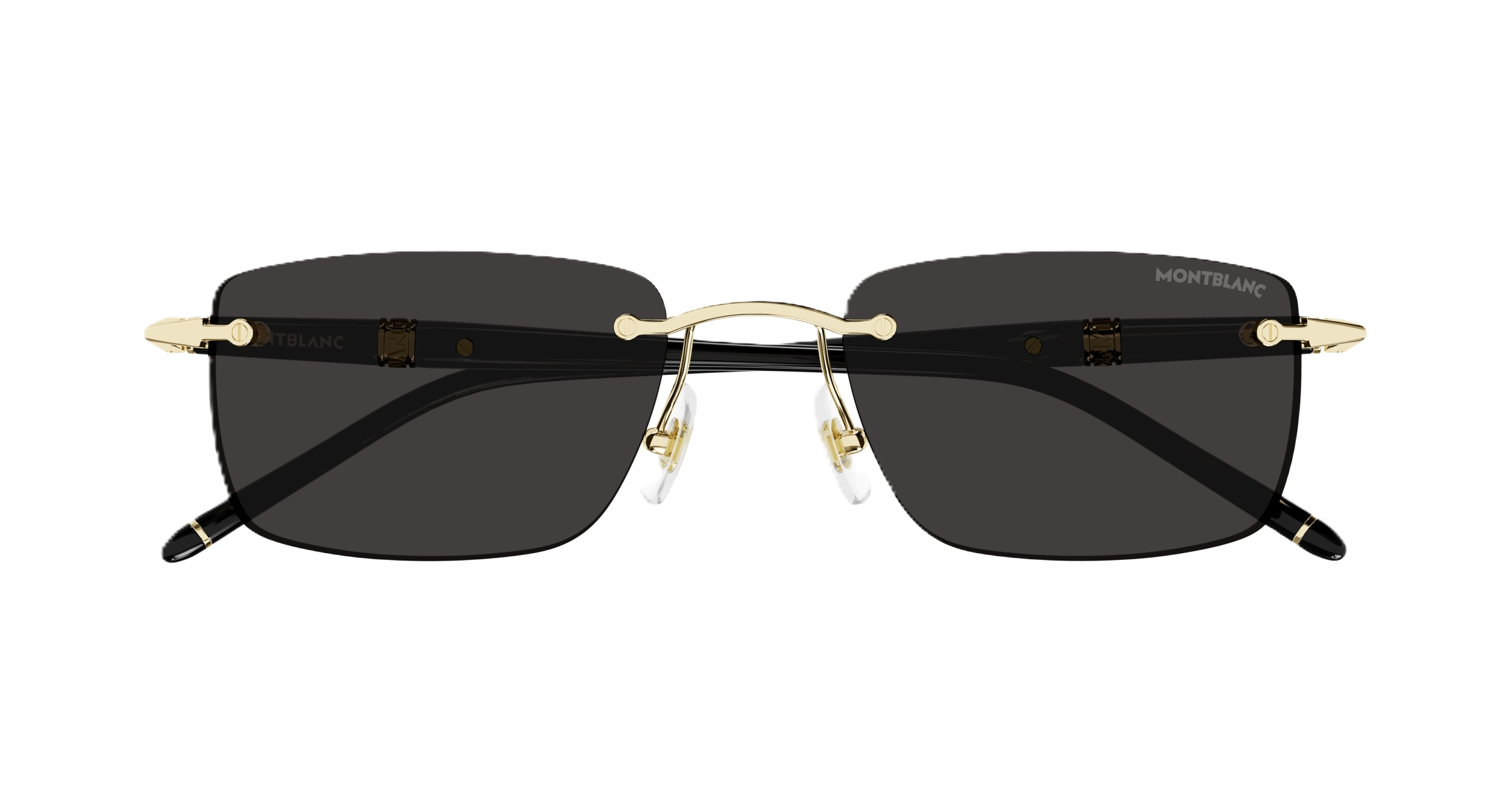 MontblancMB0344S270.00 €
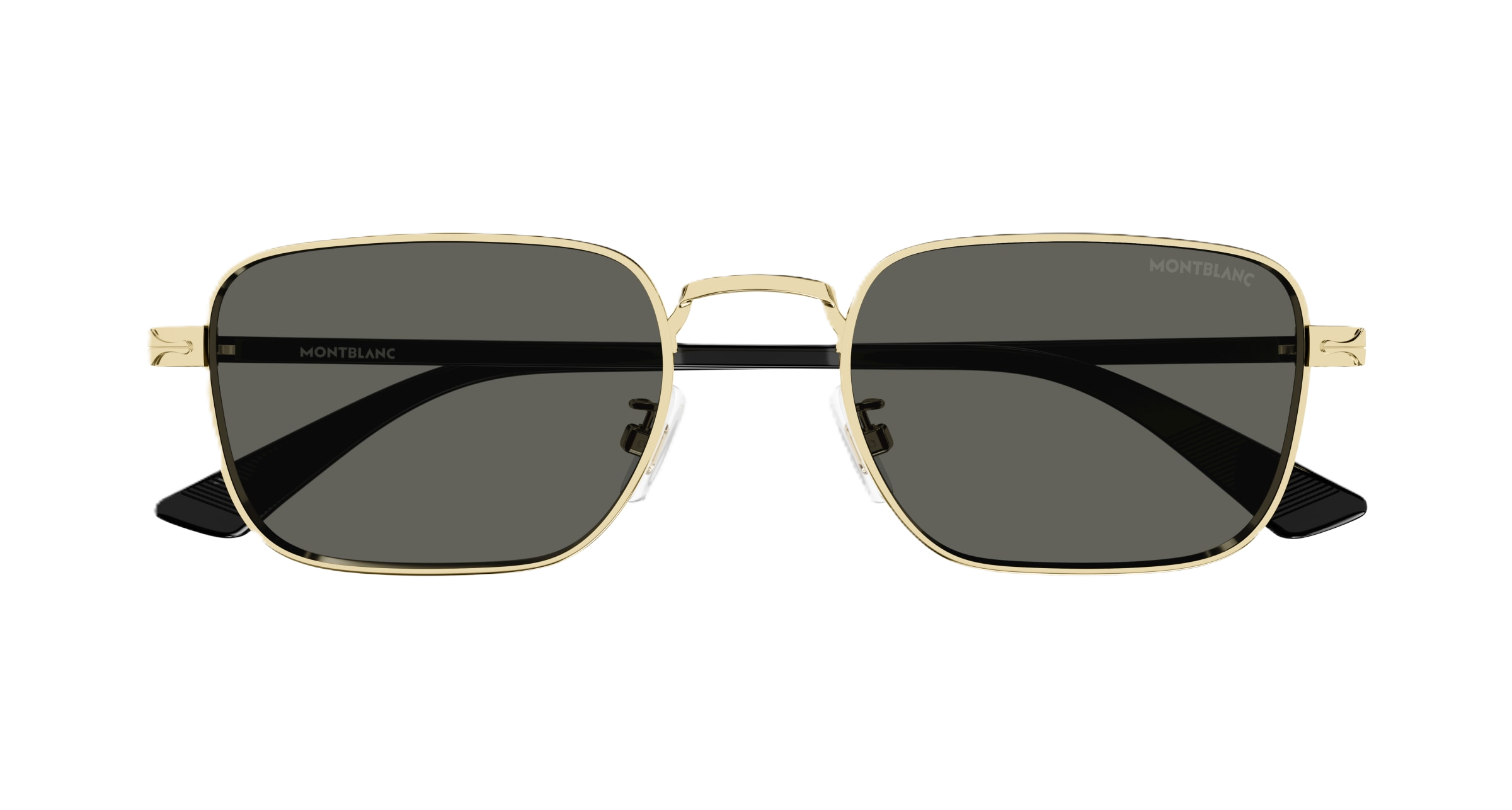 MontblancMB0339S259.00 €
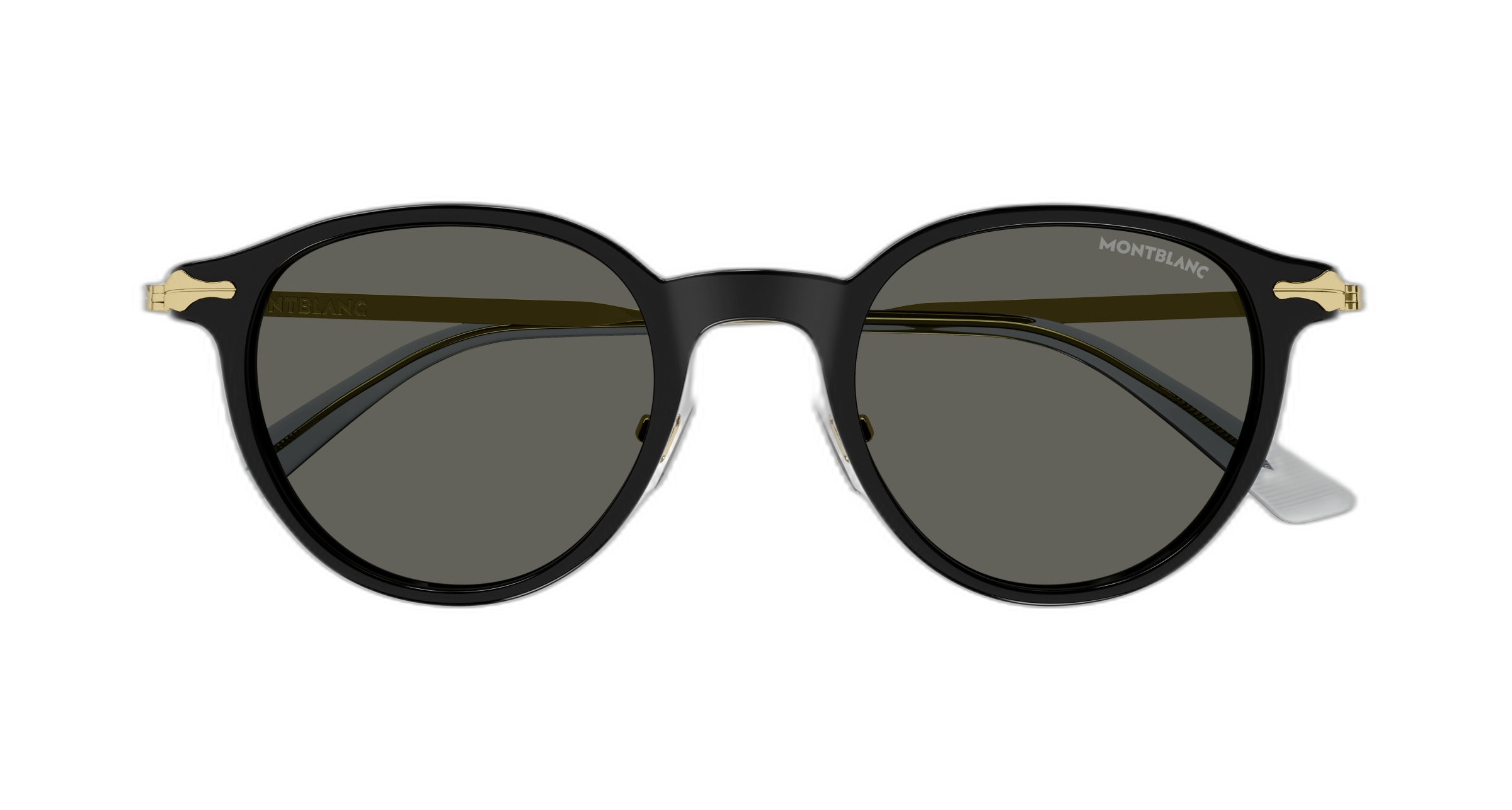 MontblancMB0362S259.00 €
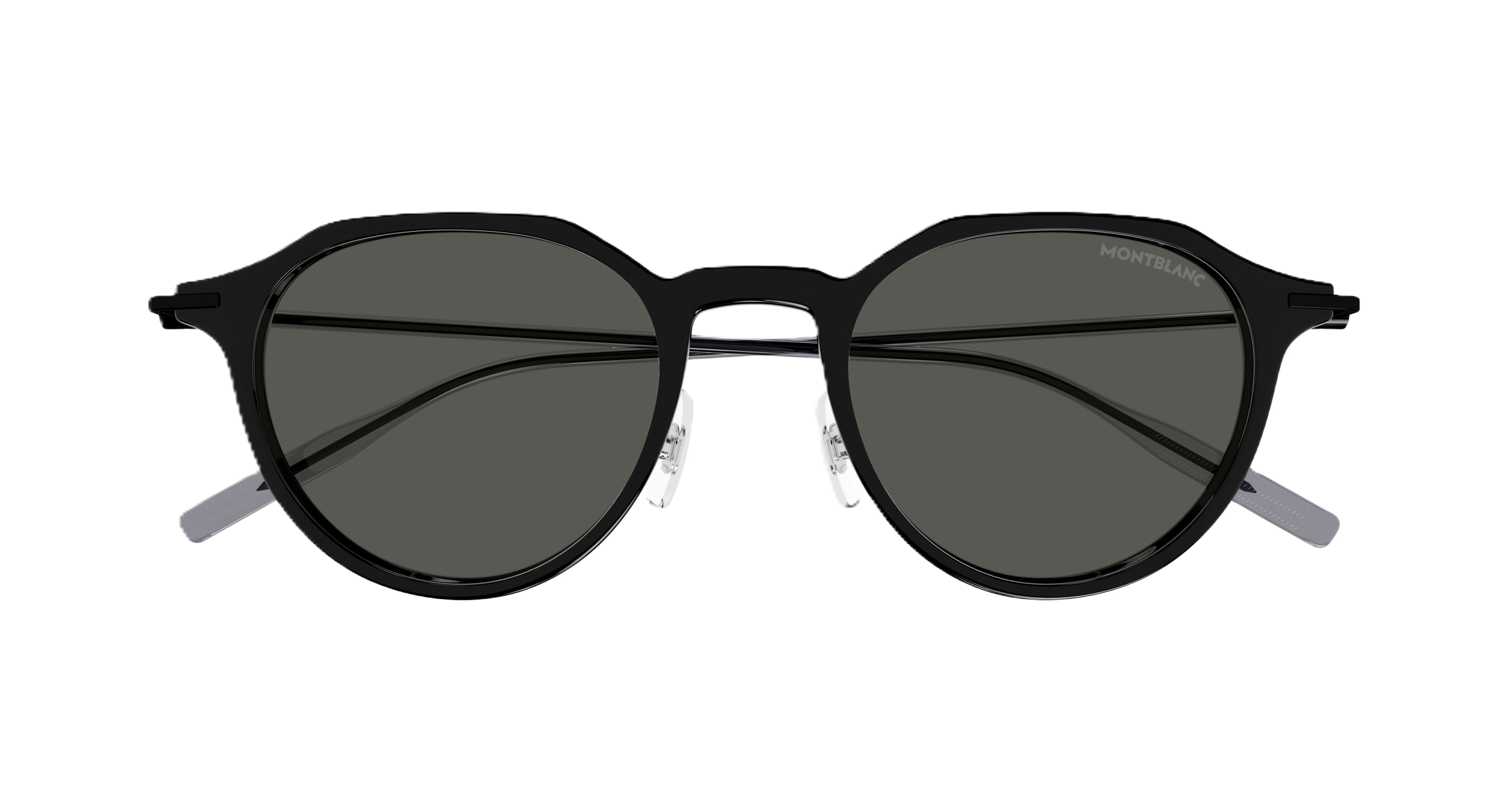 MontblancMB0355S239.00 €
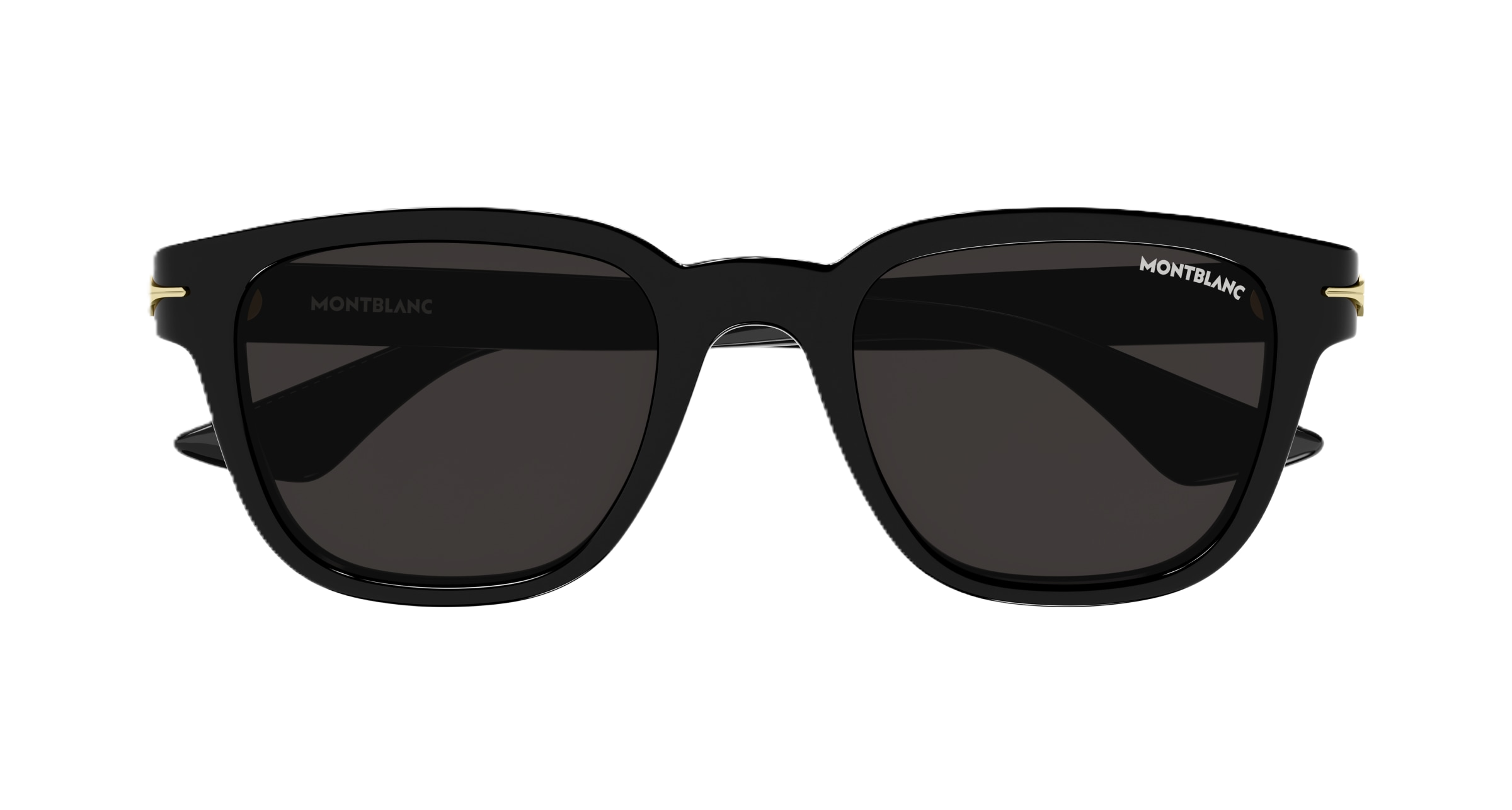 MontblancMB0302S238.00 €
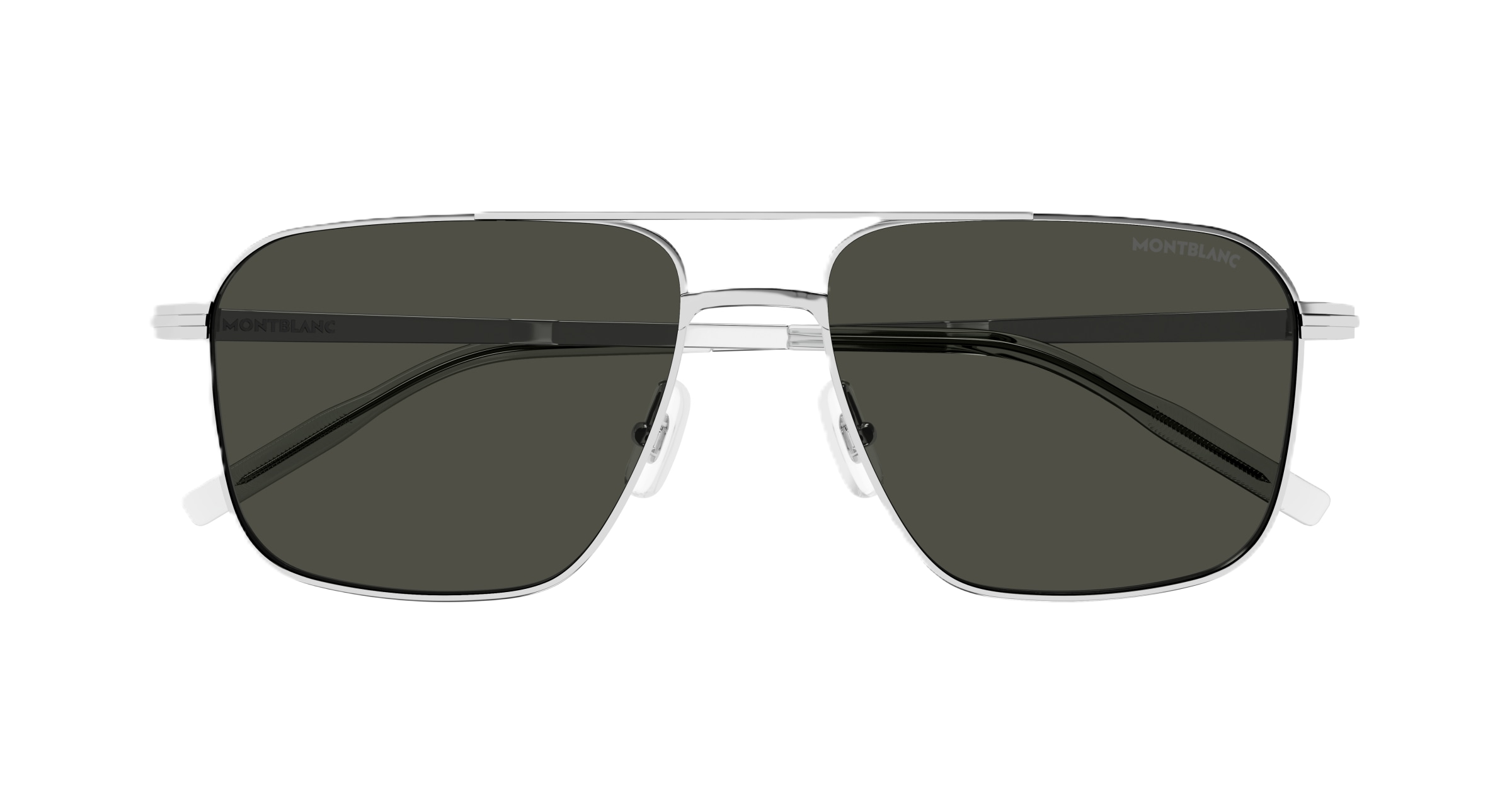 MontblancMB0278S259.00 €
A: Montblanc was founded in Hamburg in 1906 by August Eberstein, Alfred Nehemias and Claus Johannes Voss, with the aim of producing writing instruments fitted with a leak-proof system. The company subsequently expanded its range to include leather goods, watches and accessories, and later eyewear. Its headquarters remain in Hamburg, where the MONTBLANC HAUS is dedicated to the art of writing.
A: Launched in 1924, the Meisterstück has become one of the brand’s most recognisable items, having undergone several design iterations throughout the 20th century. Its design language has extended beyond the writing instrument: in eyewear, it is reflected in tubular temples directly inspired by the pen, to which three thin rings may be added.
A: The snow-capped peak is the brand’s visual symbol. On glasses, it is not always prominently displayed: some frames incorporate it discreetly, for example on the inside of a temple. This is one of the ways in which Montblanc incorporates its signature into the frame’s construction rather than on its exterior.
A: Metal, acetate and injection-moulded materials, depending on the model. Of our 23 Montblanc models, 15 are made of acetate and 8 of metal. Metal is used for delicate, geometric frames; acetate for fuller-bodied designs featuring a play on colours and transparencies; and injection-moulded frames offer a third interpretation of the brand’s signature style.
A: From €159 to €259 for a pair of prescription frames and from €199 to €319 for a pair of sunglasses (frames only). A pair of prescription glasses requires the addition of lenses, which are charged according to your prescription and the options selected. The exact price for each product is shown on its product page.
A: Both. The company’s eyewear business has historically included prescription frames and sunglasses. Our selection comprises 14 prescription frames and 9 pairs of sunglasses – a total of 23 items – with frame sizes ranging from 48 to 56 mm. The prescription frames reflect the brand’s signature style in a more understated way than the sunglasses.
A: Our Montblanc range is exclusively for men, which is in line with the brand’s positioning in the eyewear sector: all 23 items in the catalogue are men’s models. Dimensions remain the key factor to check before placing any order, size by size, on the product page for the chosen model.
The right habits to clean, protect and extend the life of your glasses every day.
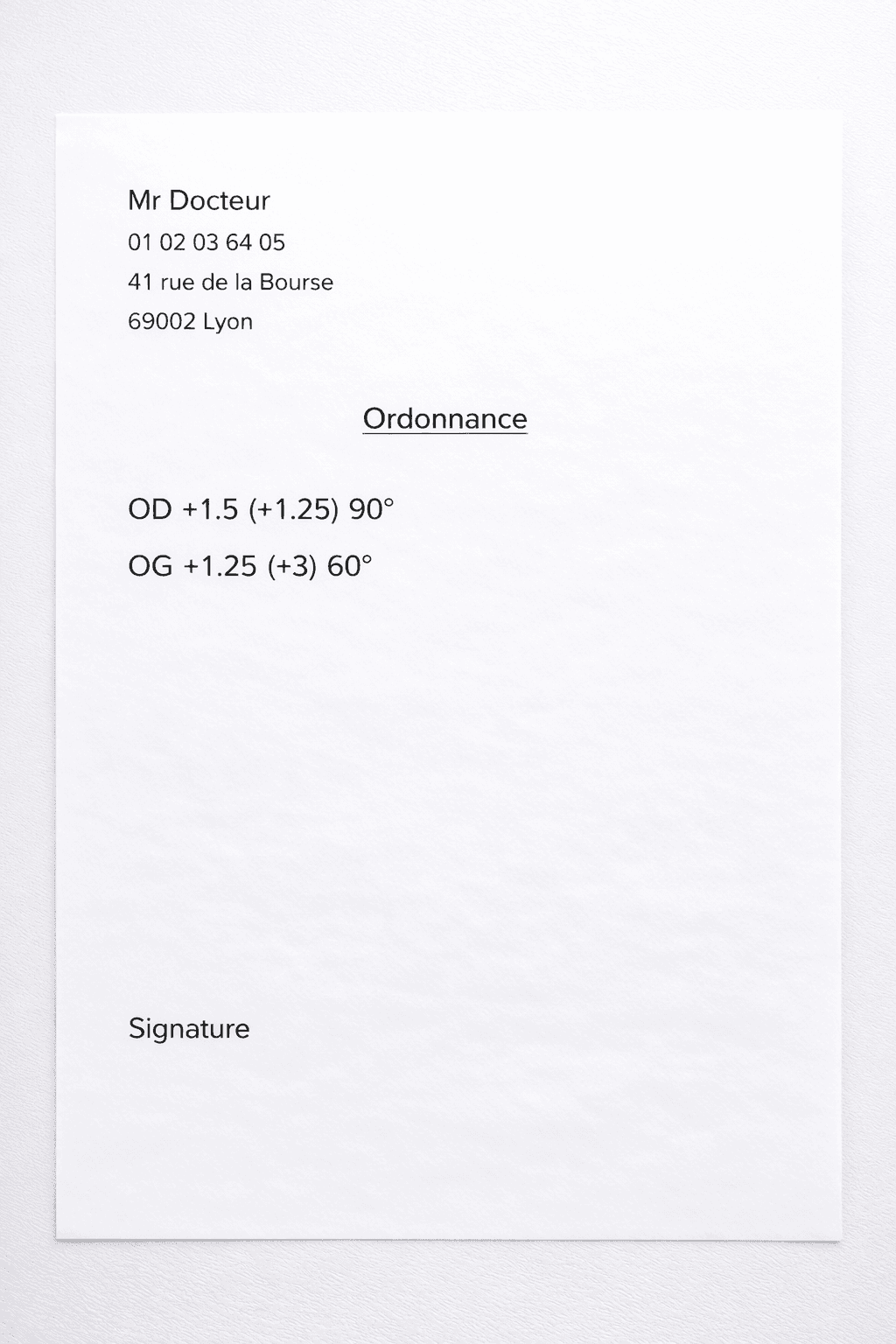
Decode your optical prescription: sphere, cylinder, axis, addition and pupillary distance, explained simply.
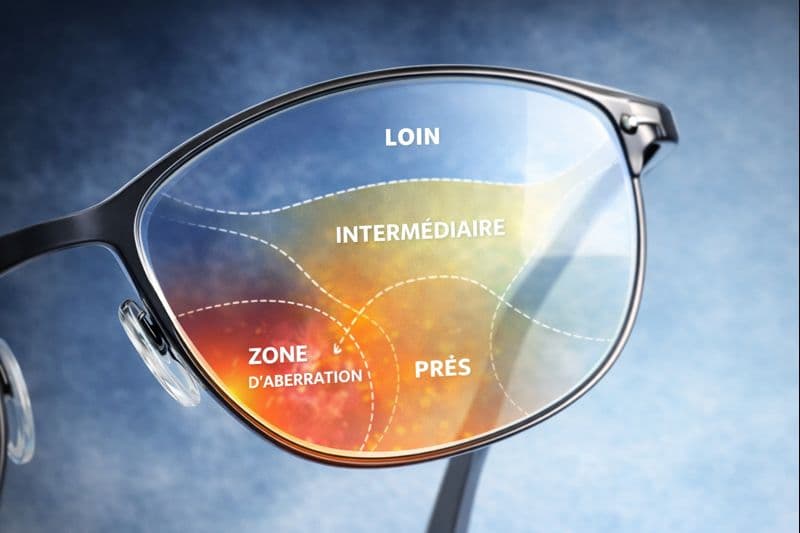
Find out whether progressive lenses suit you: their benefits, cost and how to choose well.