
Care
Eyewear care tips
The right habits to clean, protect and extend the life of your glasses every day.
Our Brands
Ray-Ban glasses boast one of the most recognisable legacies in the history of eyewear, in both prescription and sunglasses.
Ray-Ban glasses boast one of the most recognisable legacies in the history of eyewear, in both prescription and sunglasses. From the Aviator, created for American pilots in 1937, to the Wayfarer, launched in 1952, and on to the Round and Clubmaster ranges, the American brand has developed designs that have transcended their original function to become cultural icons. This journey is characterised by a distinctive feature: at Ray-Ban, the story began with a quest for functionality before evolving into a story of style. A frame designed for a specific purpose eventually established itself as a cultural icon, and certain silhouettes are now instantly recognisable regardless of their logo. Our selection brings together prescription frames and sunglasses: some frames are a direct continuation of iconic designs, whilst others offer a more contemporary take on them.
Ray-Ban glasses boast one of the most recognisable legacies in the history of eyewear, in both prescription and sunglasses. From the Aviator, created for American pilots in 1937, to the Wayfarer, launched in 1952, and on to the Round and Clubmaster ranges, the American brand has developed designs that have transcended their original function to become cultural icons.
This journey is characterised by a distinctive feature: at Ray-Ban, the story began with a quest for functionality before evolving into a story of style. A frame designed for a specific purpose eventually established itself as a cultural icon, and certain silhouettes are now instantly recognisable regardless of their logo.
Our selection brings together prescription frames and sunglasses: some frames are a direct continuation of iconic designs, whilst others offer a more contemporary take on them.
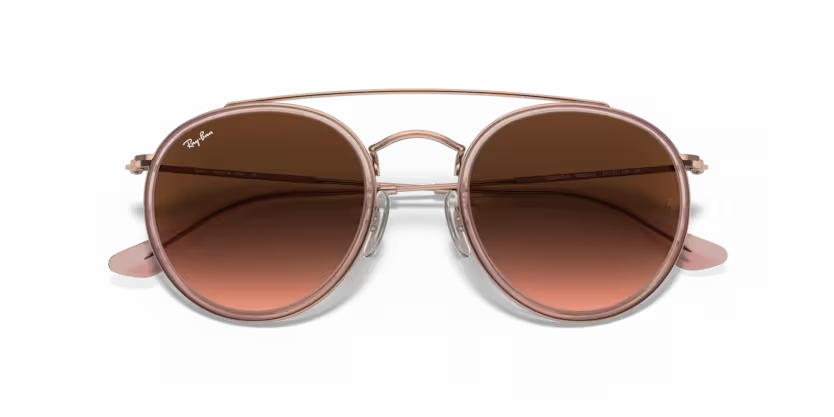 Ray-BanRB3647N159.00 €
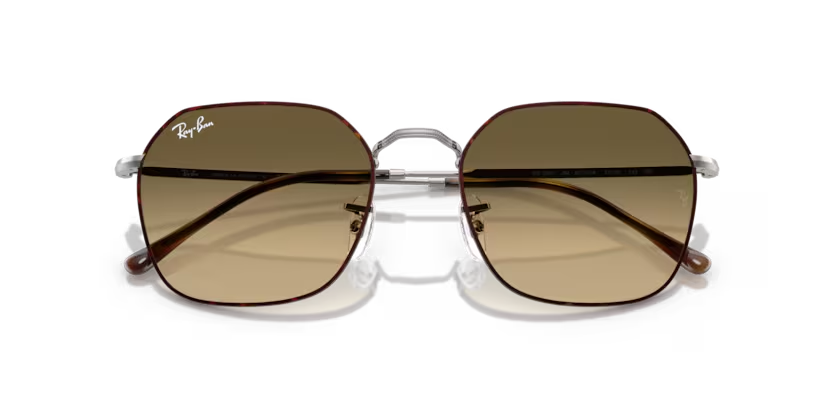 Ray-BanRB3694159.00 €
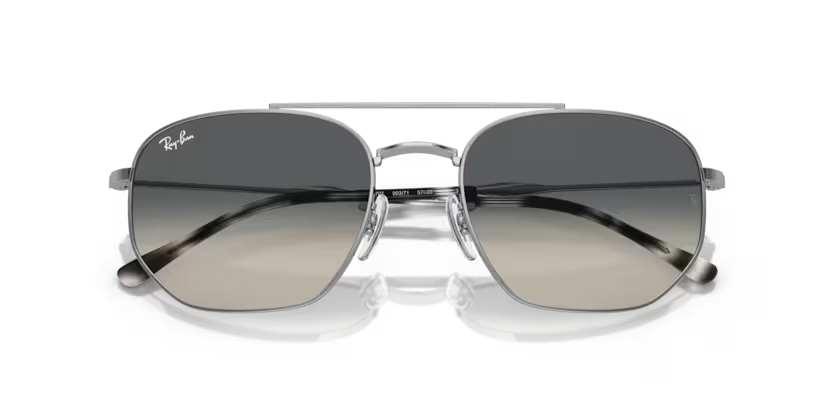 Ray-BanRB3707159.00 €
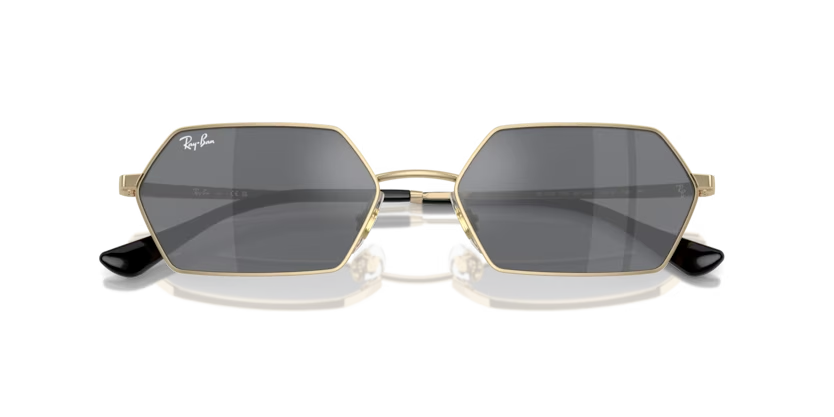 Ray-BanRB3728139.00 €
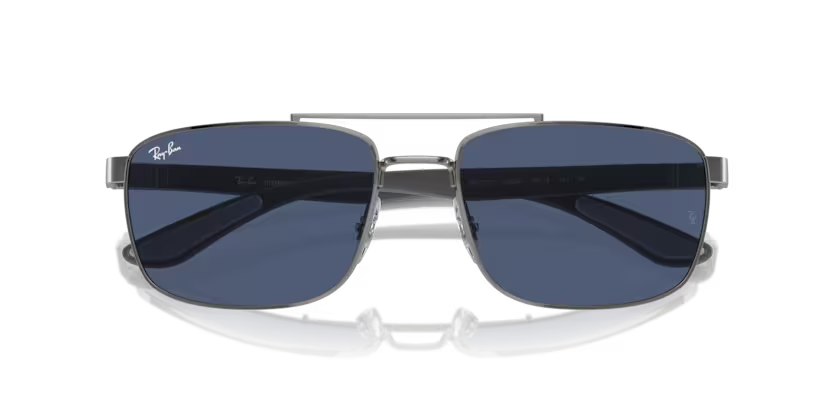 Ray-BanRB3737159.00 €
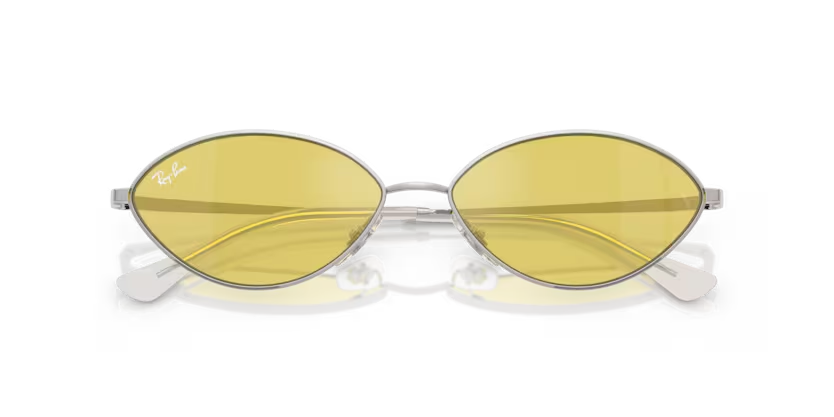 Ray-BanRB3757139.00 €
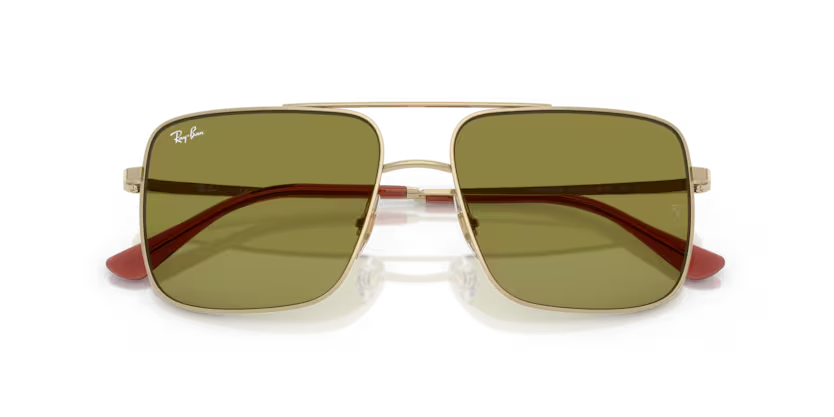 Ray-BanRB3758119.00 €
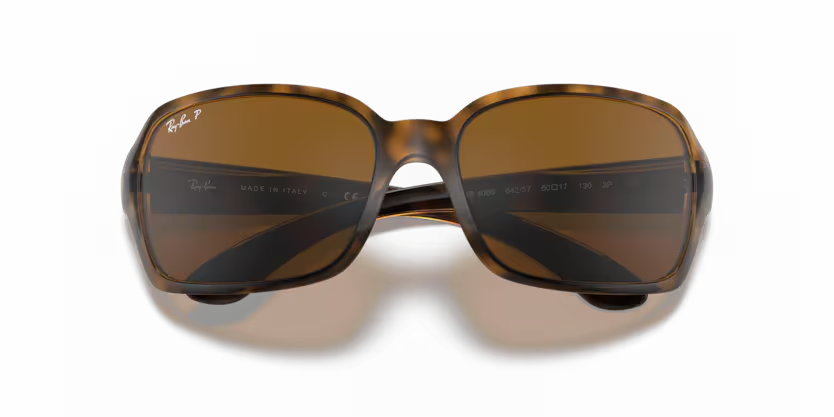 Ray-BanRB4068169.00 €
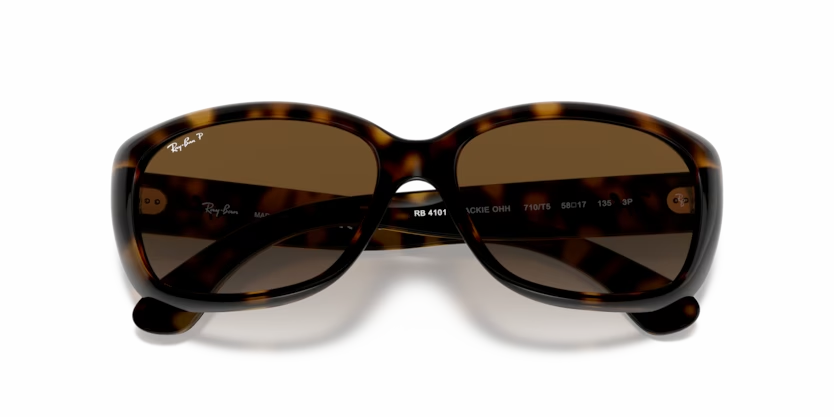 Ray-BanRB4101149.00 €
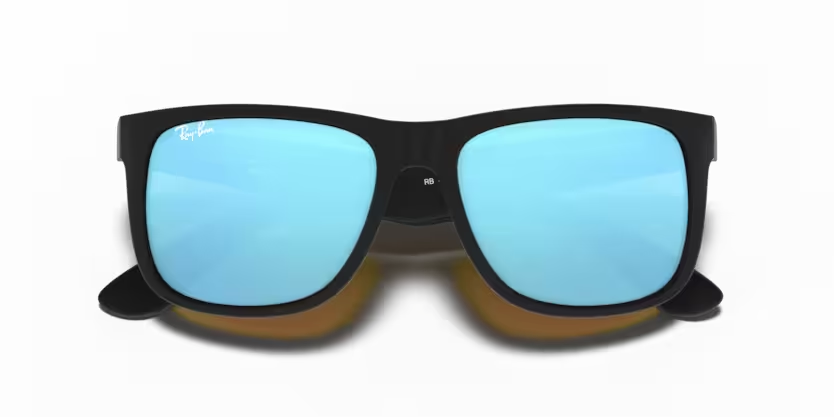 Ray-BanRB4165139.00 €
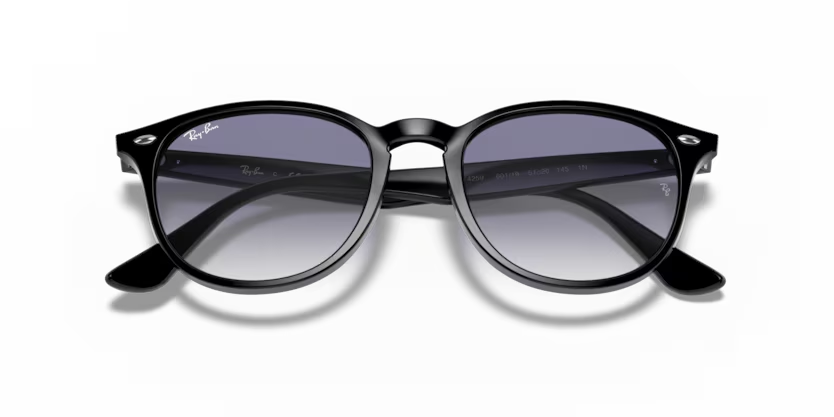 Ray-BanRB4259149.00 €
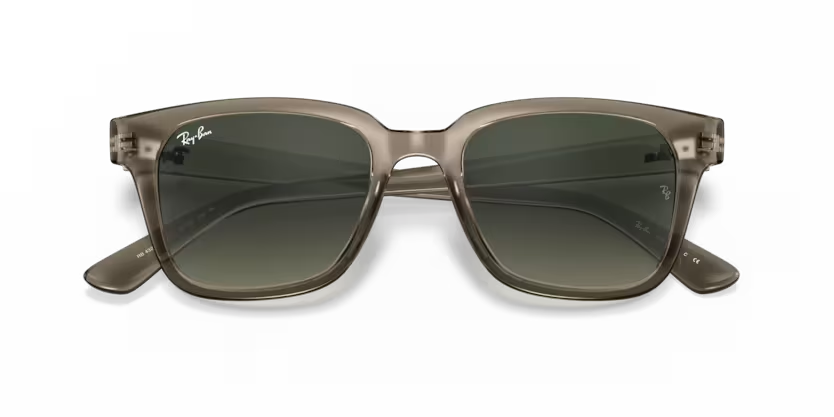 Ray-BanRB4323149.00 €
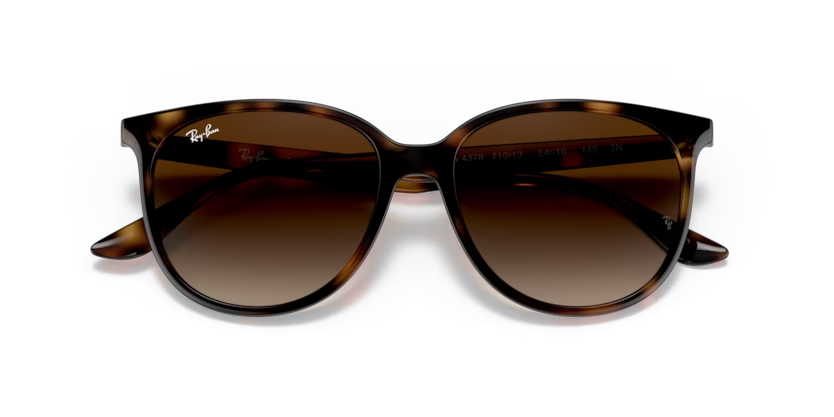 Ray-BanRB4378129.00 €
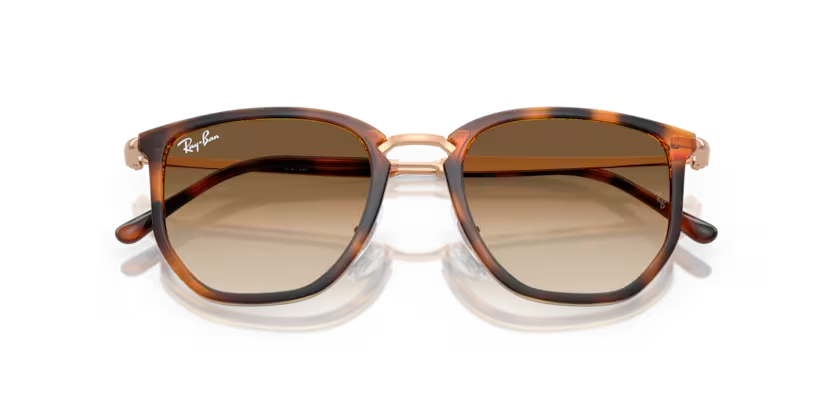 Ray-BanRB4451169.00 €
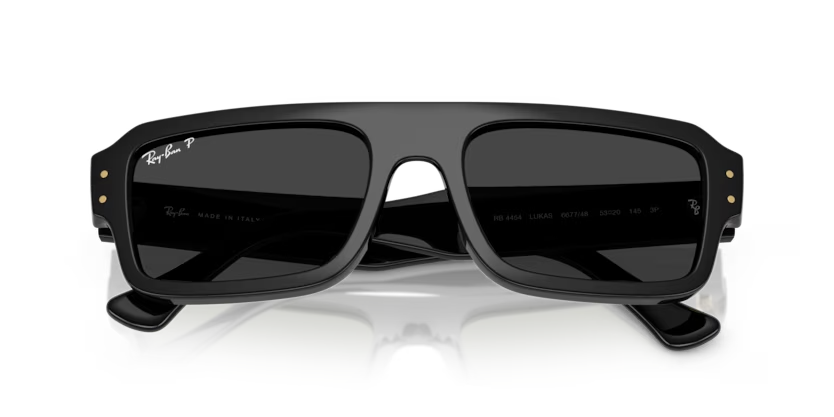 Ray-BanRB4454189.00 €
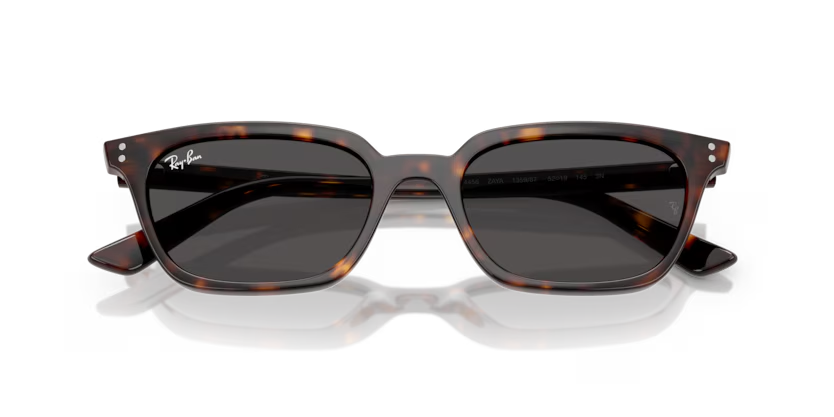 Ray-BanRB4456119.00 €
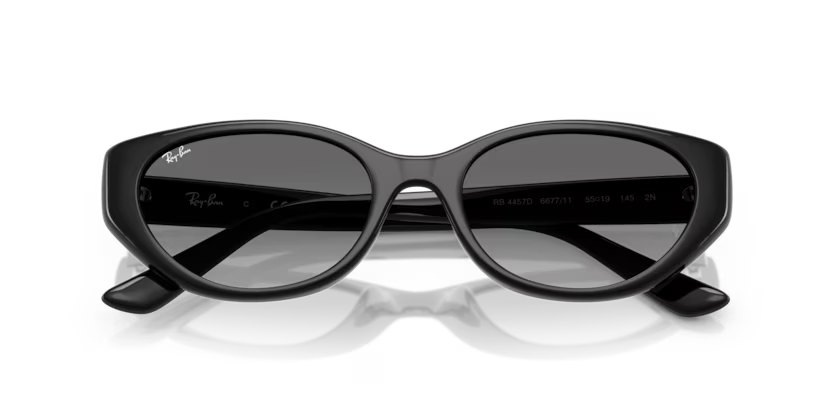 Ray-BanRB4457D129.00 €
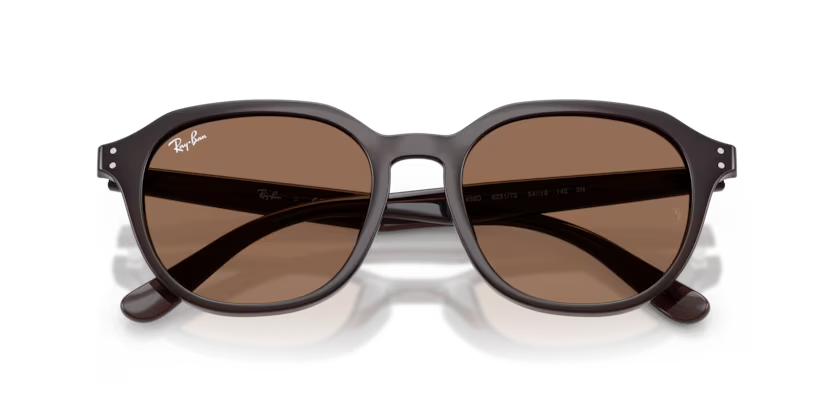 Ray-BanRB4459D119.00 €
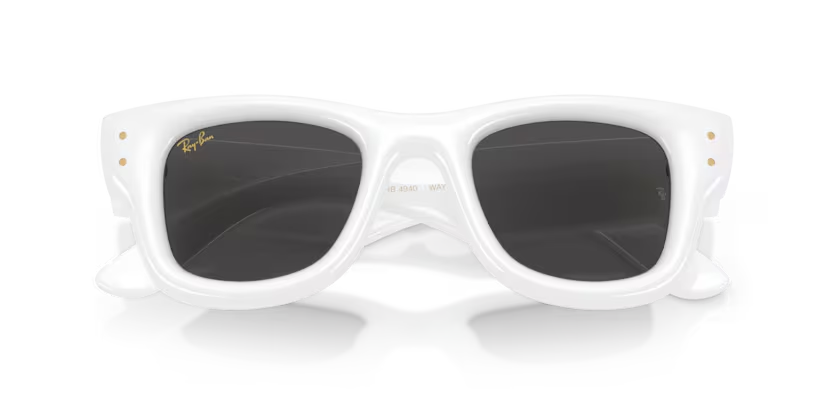 Ray-BanRB4940179.00 €
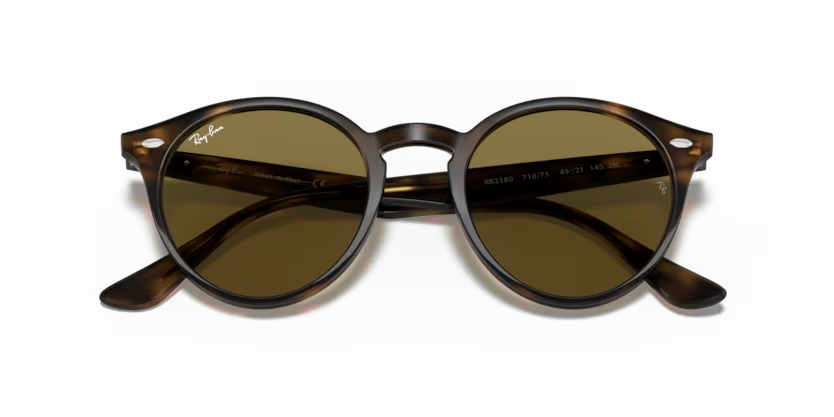 Ray-BanRB2180139.00 €
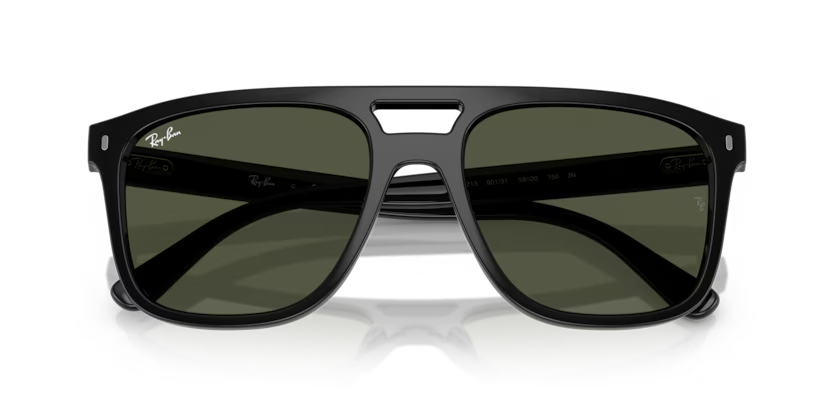 Ray-BanRB2213139.00 €
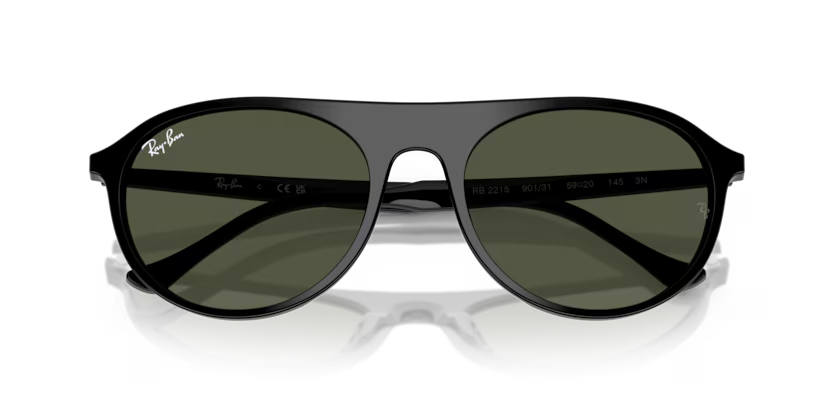 Ray-BanRB2215139.00 €
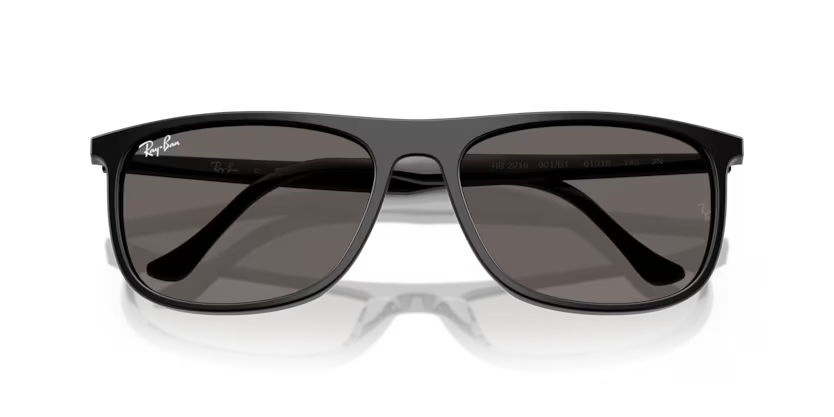 Ray-BanRB2216139.00 €
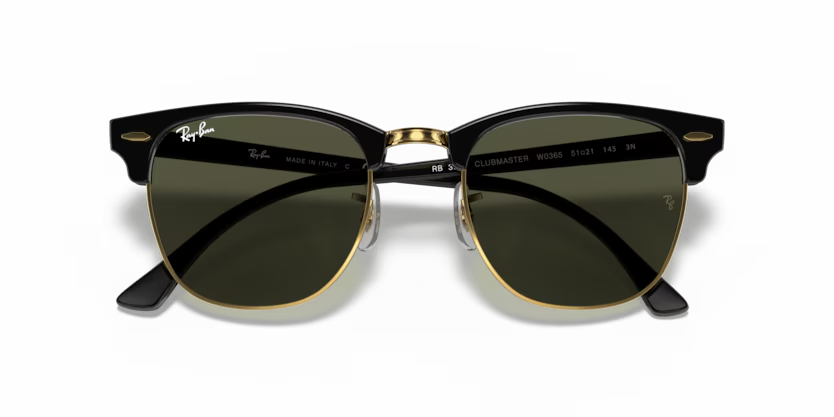 Ray-BanRB3016149.00 €
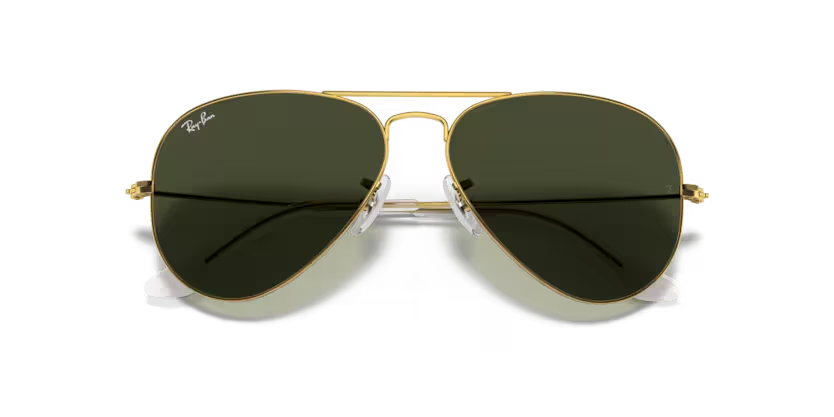 Ray-BanRB3025159.00 €
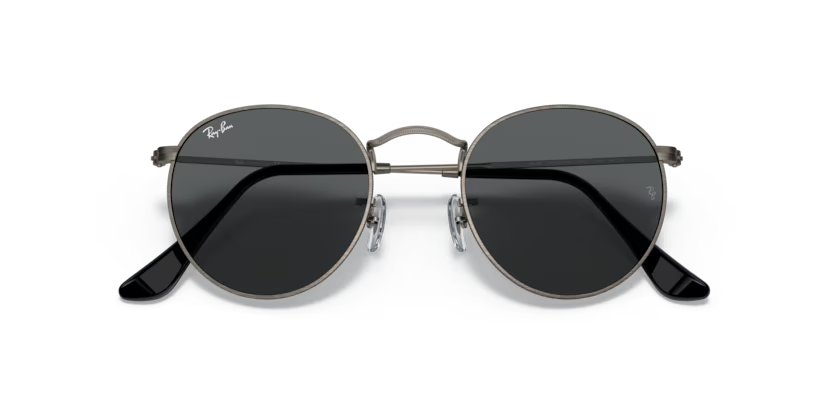 Ray-BanRB3447149.00 €
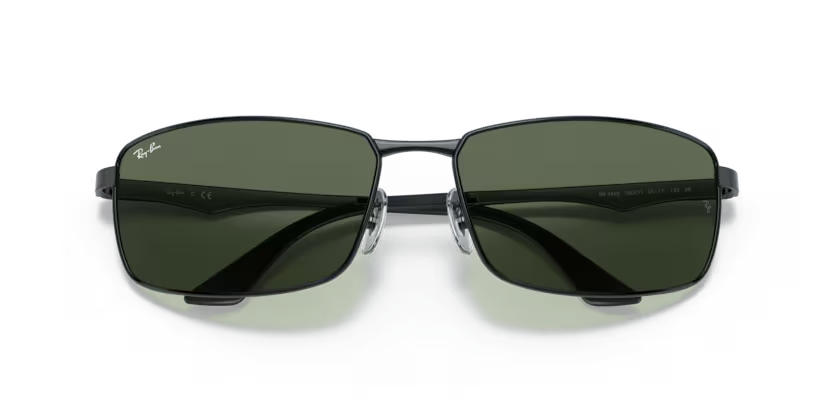 Ray-BanRB3498149.00 €
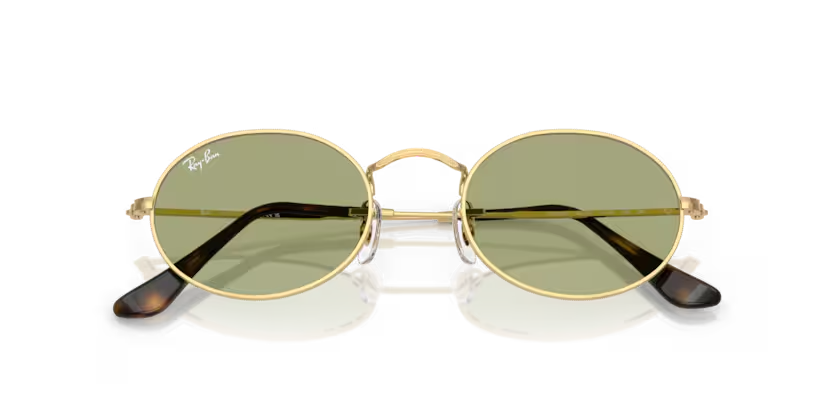 Ray-BanRB3547149.00 €
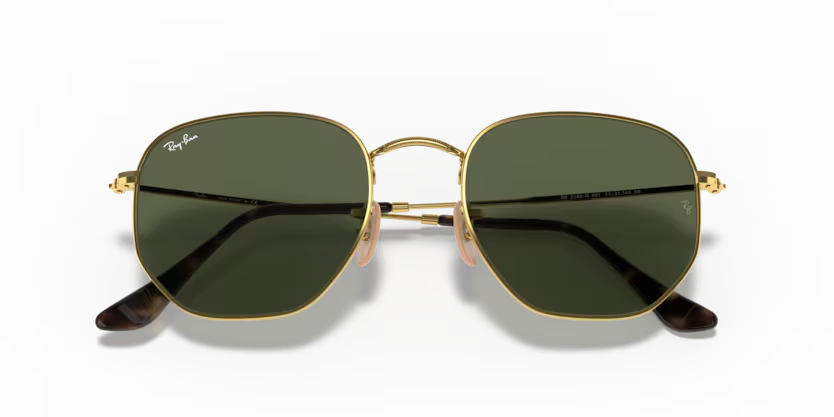 Ray-BanRB3548N149.00 €
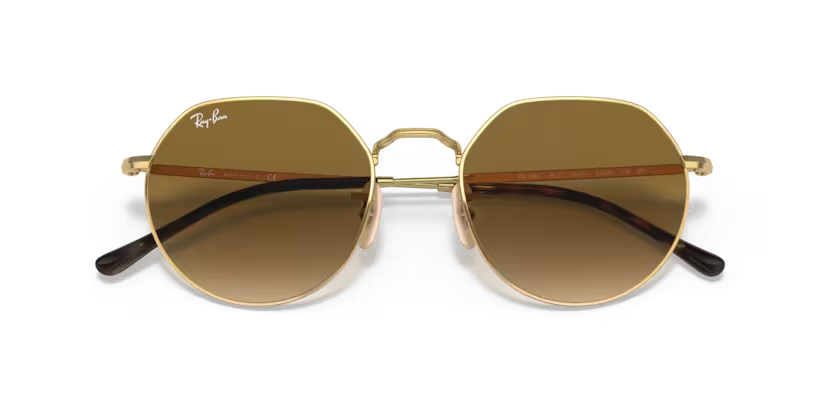 Ray-BanRB3565159.00 €
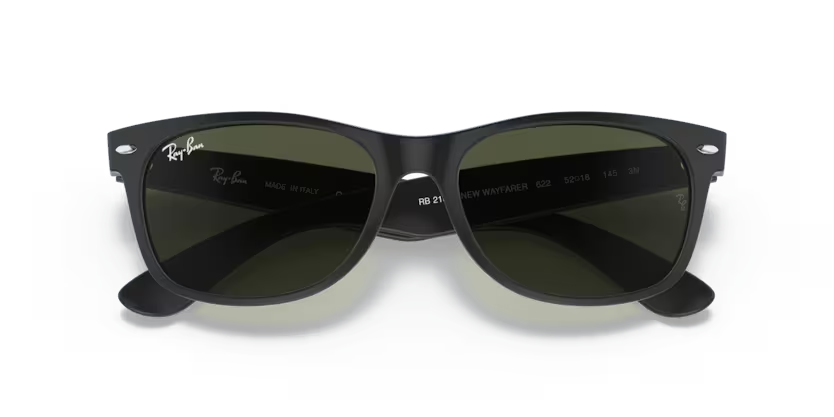 Ray-BanRB2132139.00 €
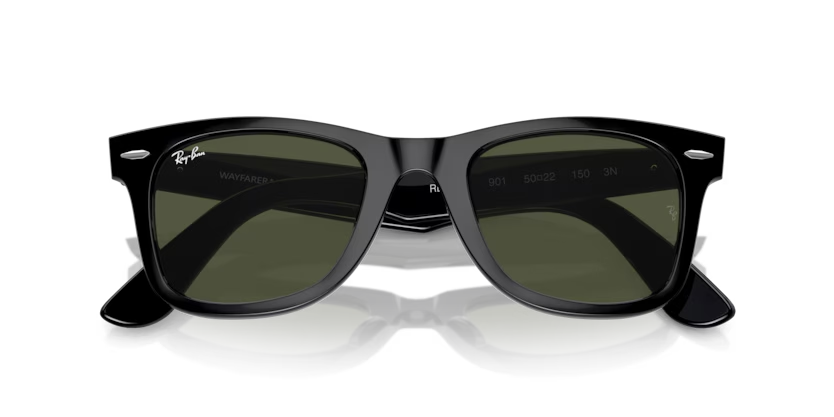 Ray-BanRB2140149.00 €
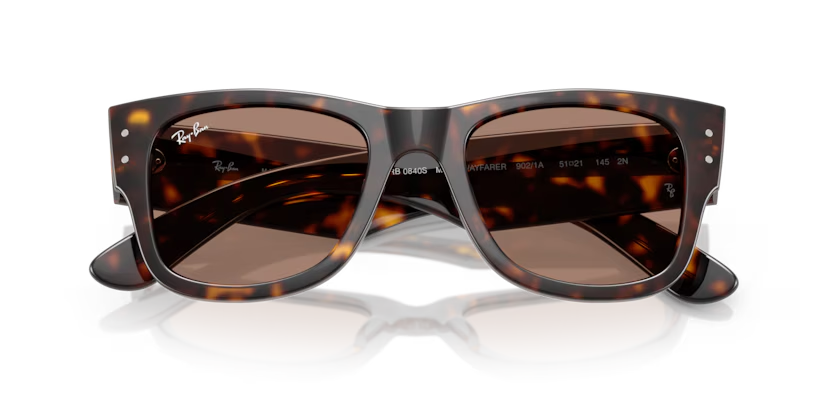 Ray-BanRB0840S159.00 €
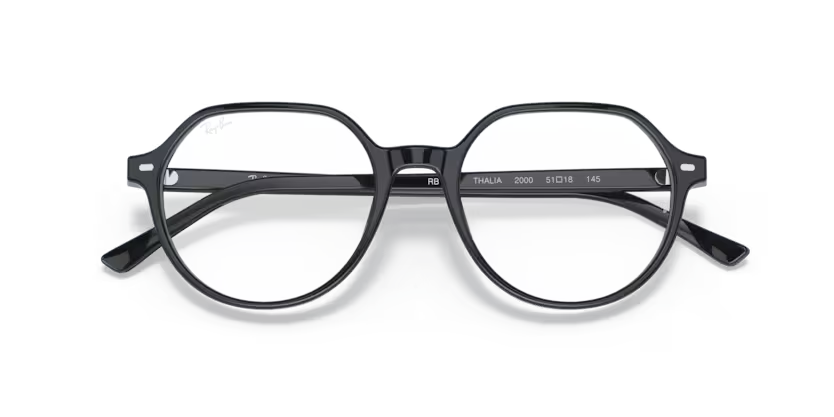 Ray-BanRX5395179.00 €
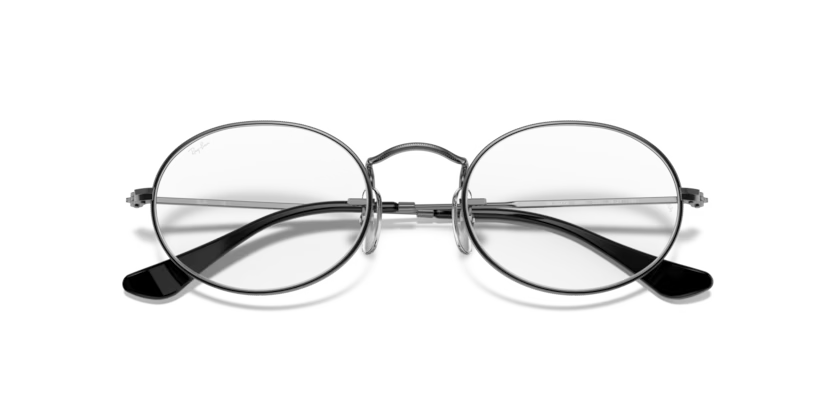 Ray-BanRX3547V179.00 €
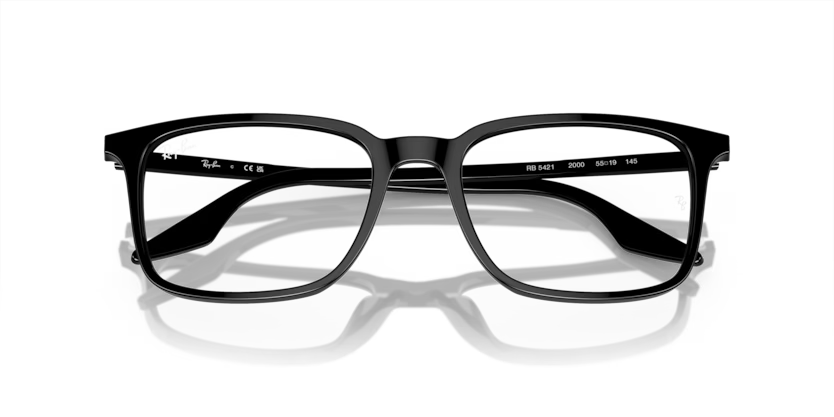 Ray-BanRX5421179.00 €
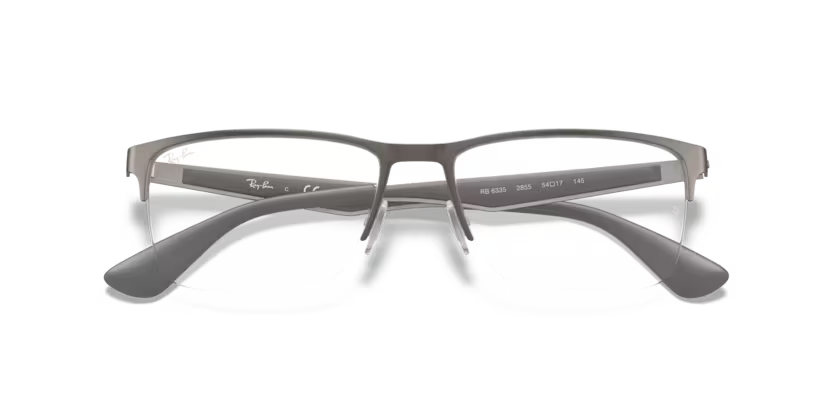 Ray-BanRX6335179.00 €
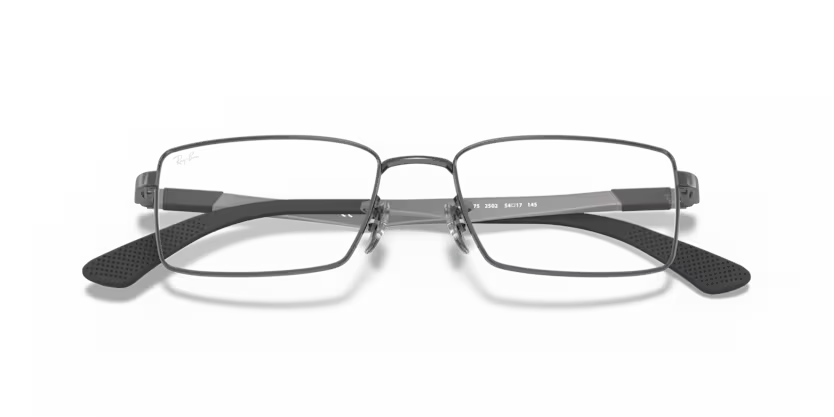 Ray-BanRX6275189.00 €
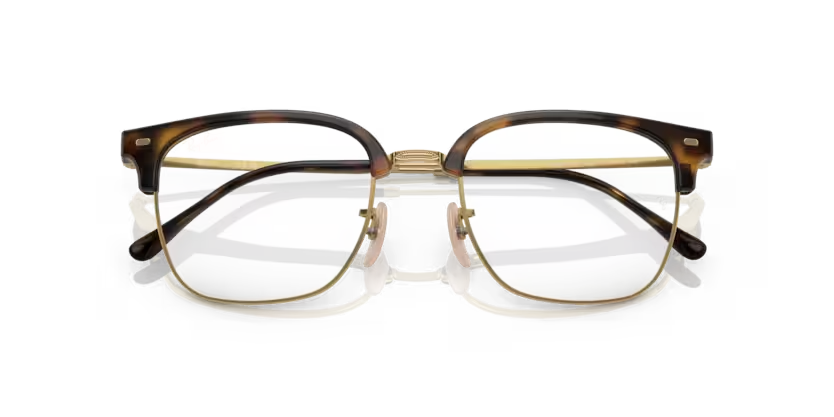 Ray-BanRX7216189.00 €
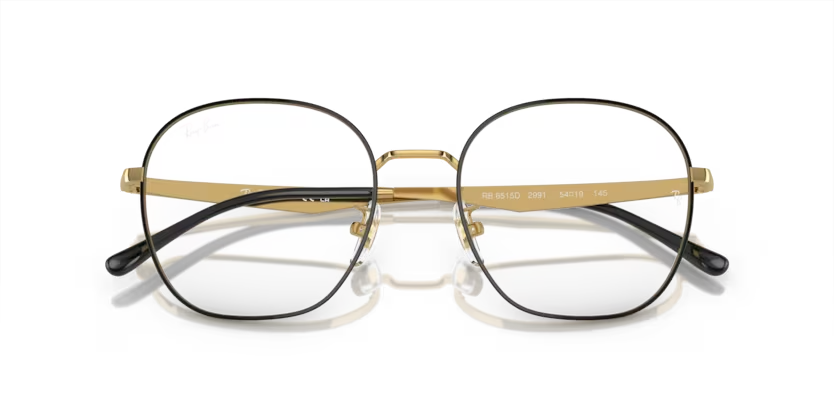 Ray-BanRX6515D159.00 €
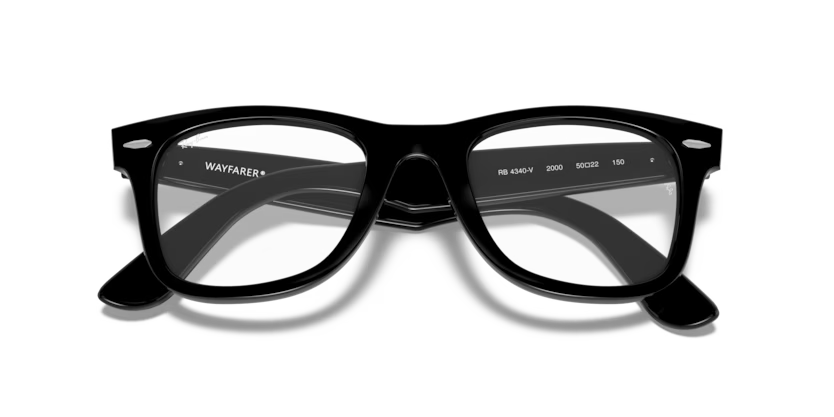 Ray-BanRX4340V179.00 €
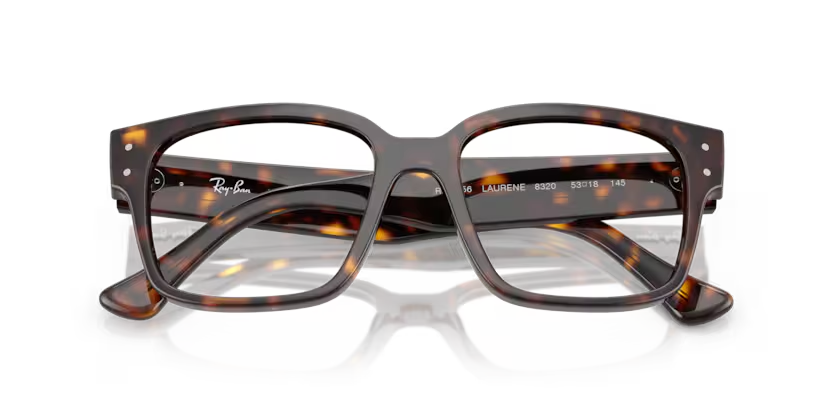 Ray-BanRX7256179.00 €
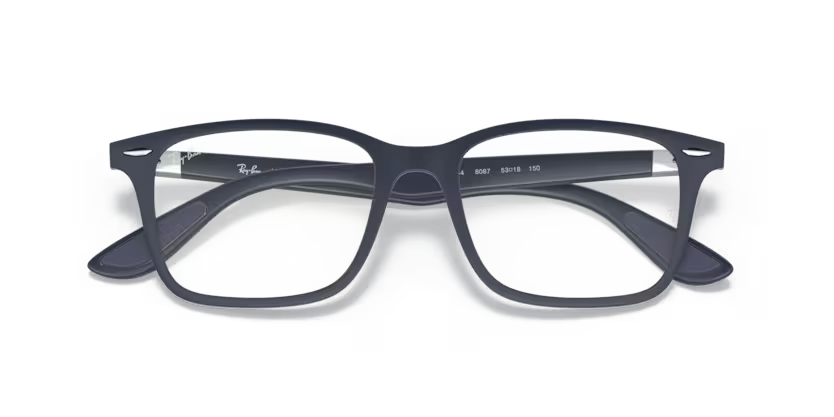 Ray-BanRX7144209.00 €
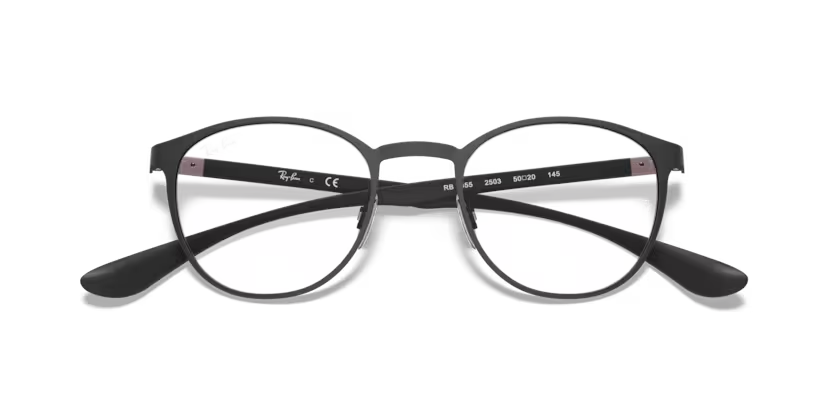 Ray-BanRX6355199.00 €
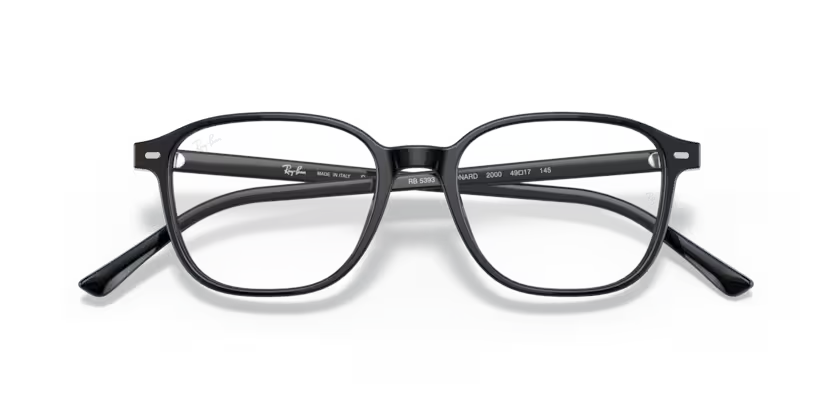 Ray-BanRX5393179.00 €
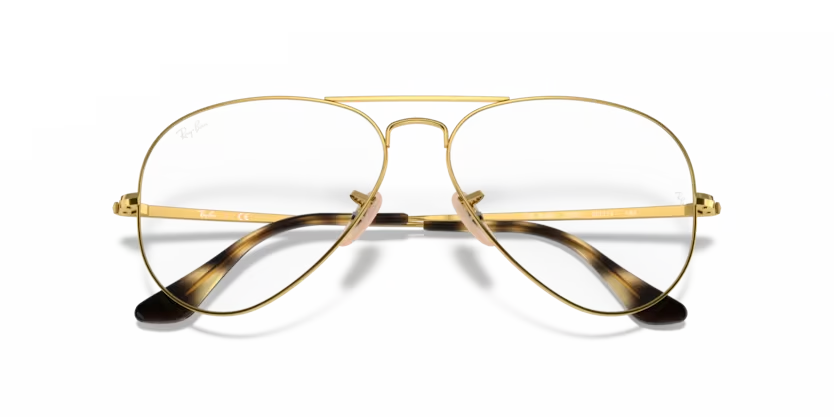 Ray-BanRX6489179.00 €
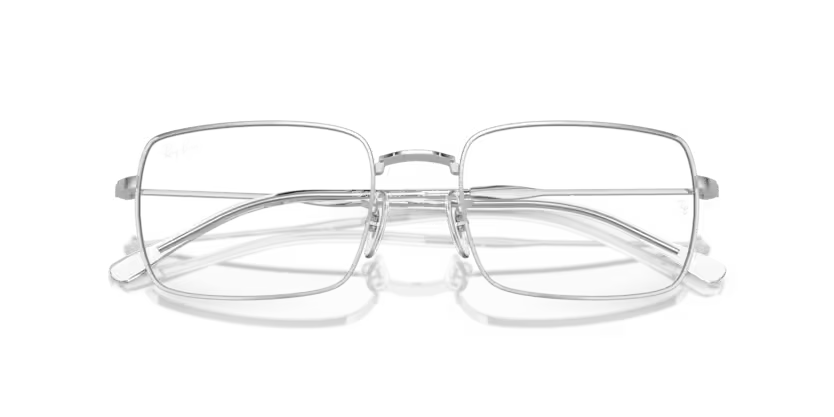 Ray-BanRX6520179.00 €
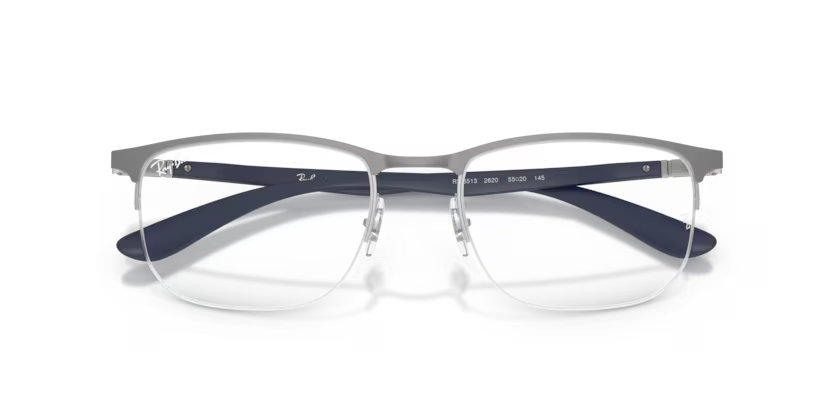 Ray-BanRX6513209.00 €
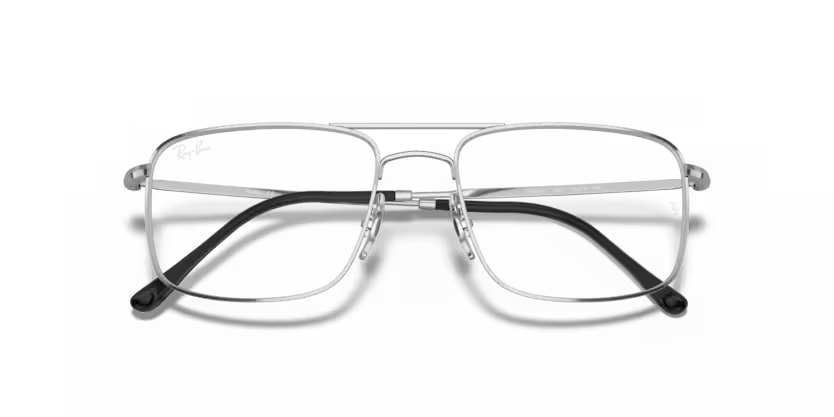 Ray-BanRX6434179.00 €
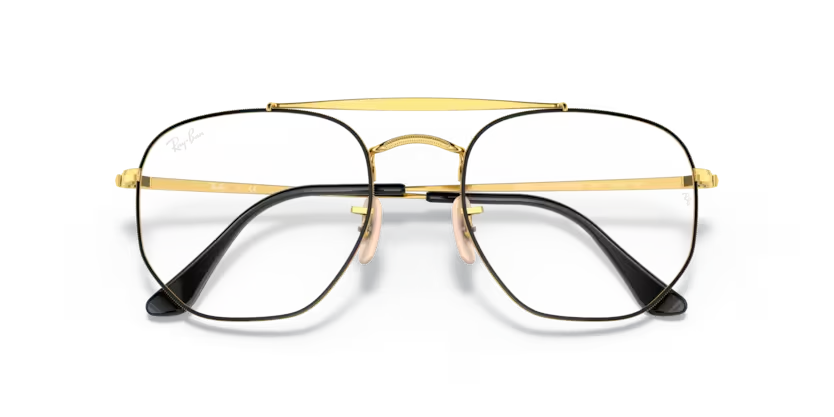 Ray-BanRX3648V189.00 €
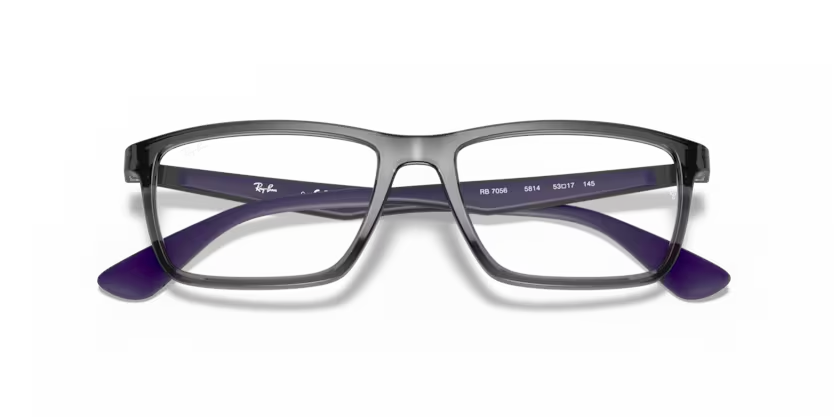 Ray-BanRX7056179.00 €
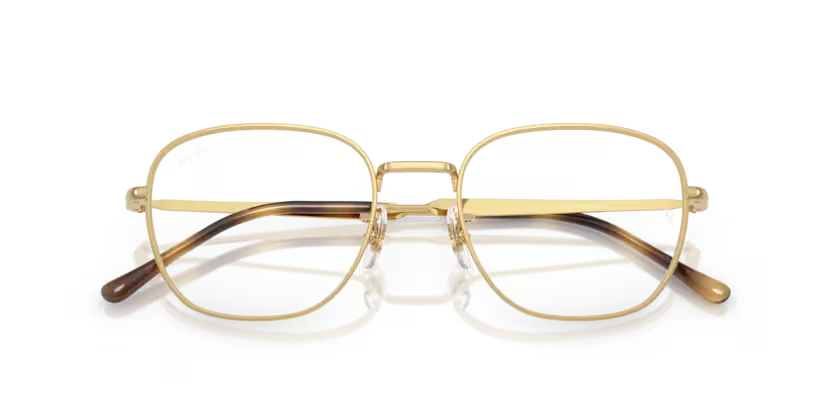 Ray-BanRX6534159.00 €
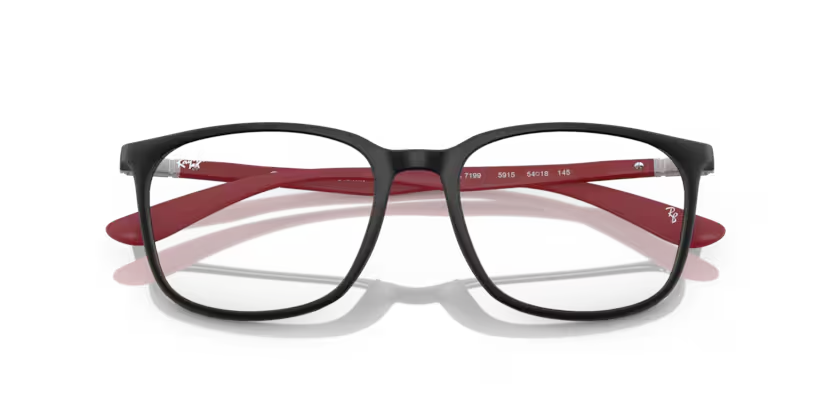 Ray-BanRX7199209.00 €
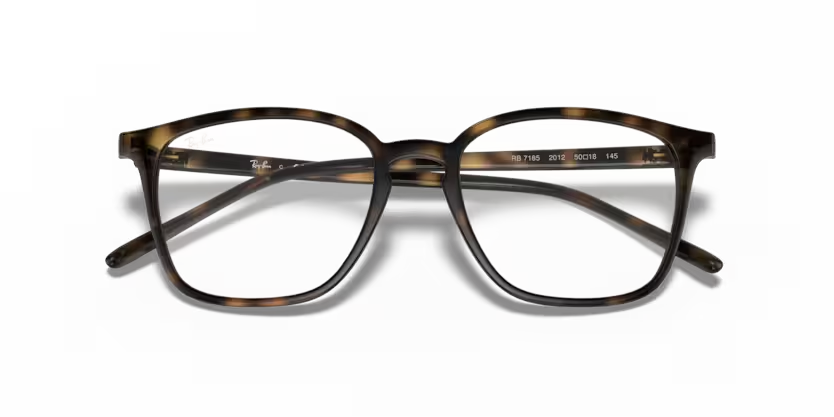 Ray-BanRX7185139.00 €
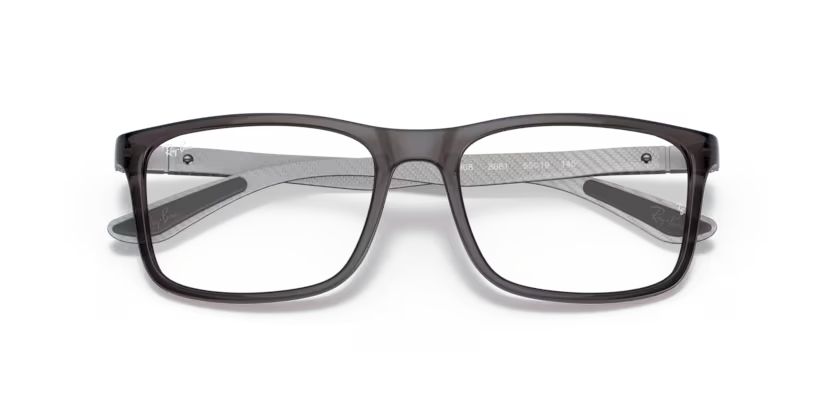 Ray-BanRX8908239.00 €
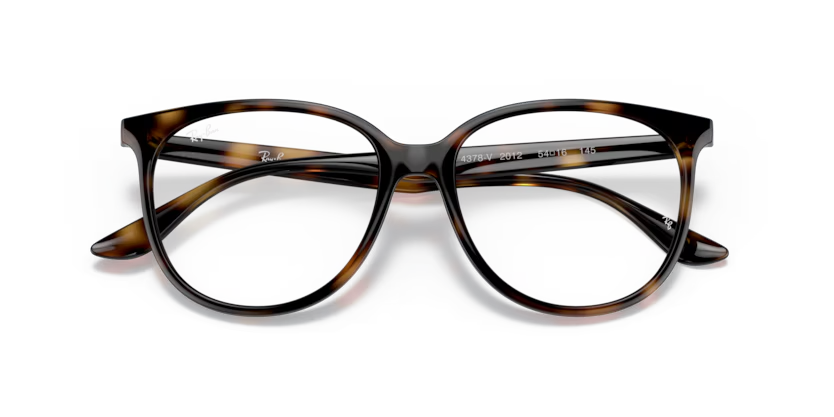 Ray-BanRX4378V149.00 €
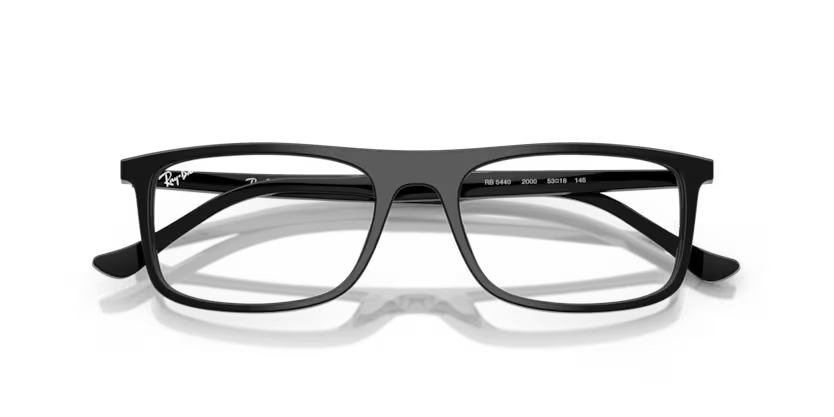 Ray-BanRX5440159.00 €
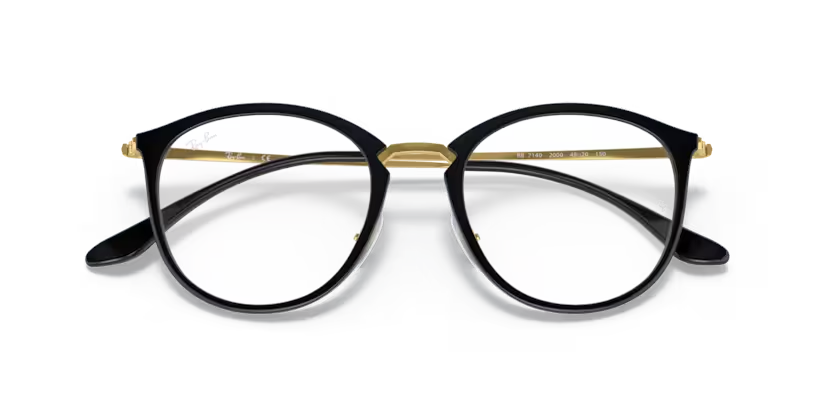 Ray-BanRX7140199.00 €
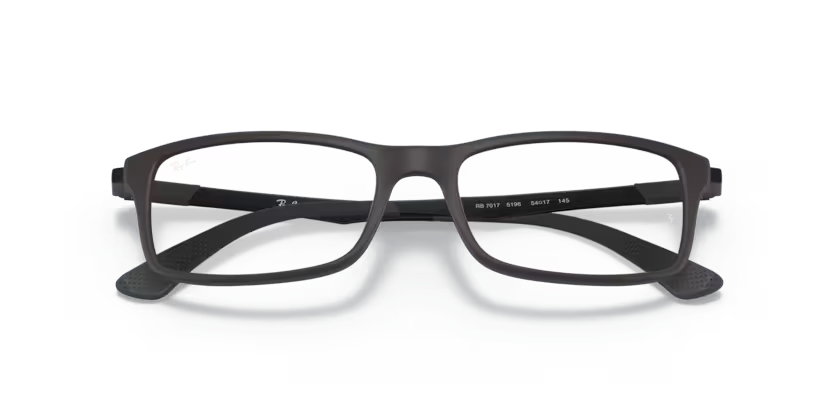 Ray-BanRX7017189.00 €
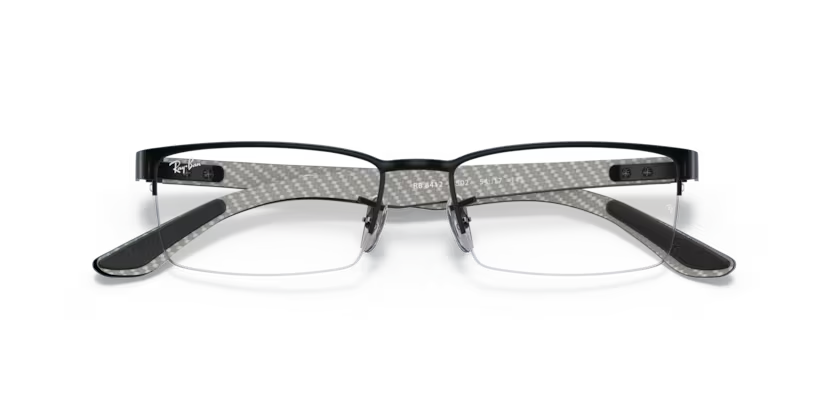 Ray-BanRX8412239.00 €
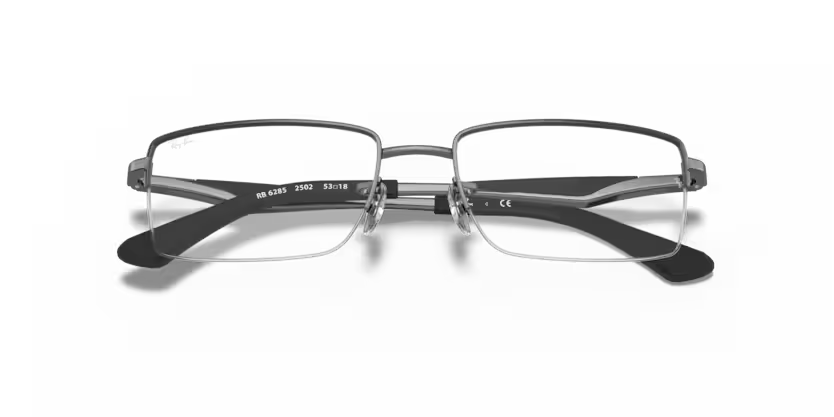 Ray-BanRX6285189.00 €
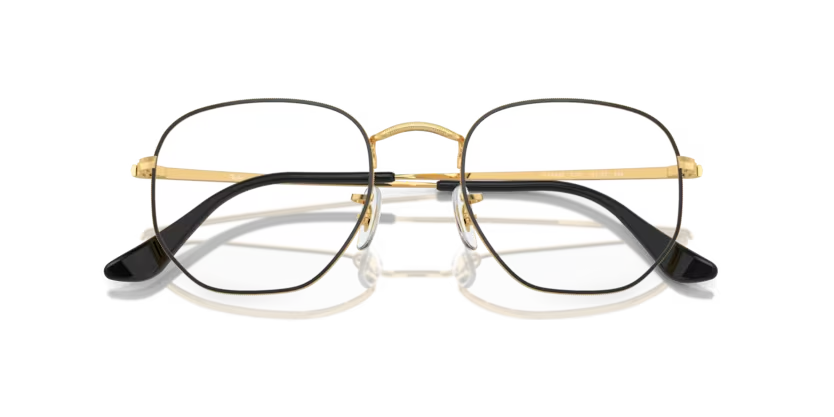 Ray-BanRX6448179.00 €
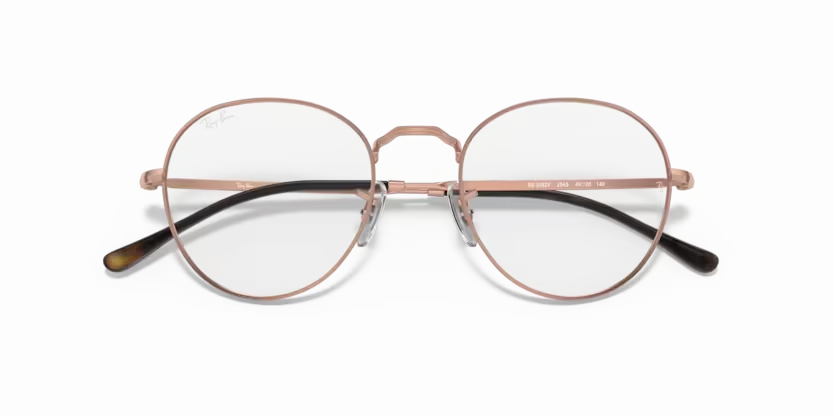 Ray-BanRX3582V179.00 €
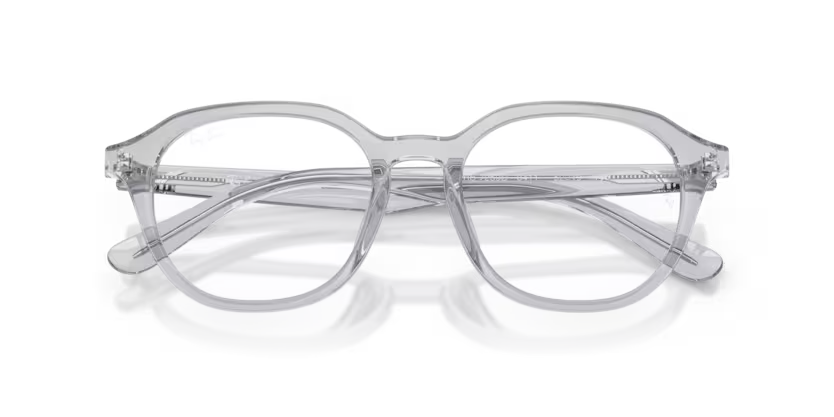 Ray-BanRX7259D149.00 €
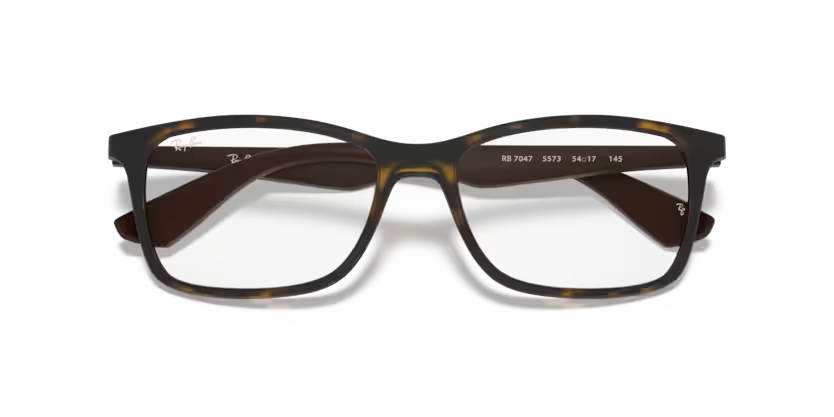 Ray-BanRX7047149.00 €
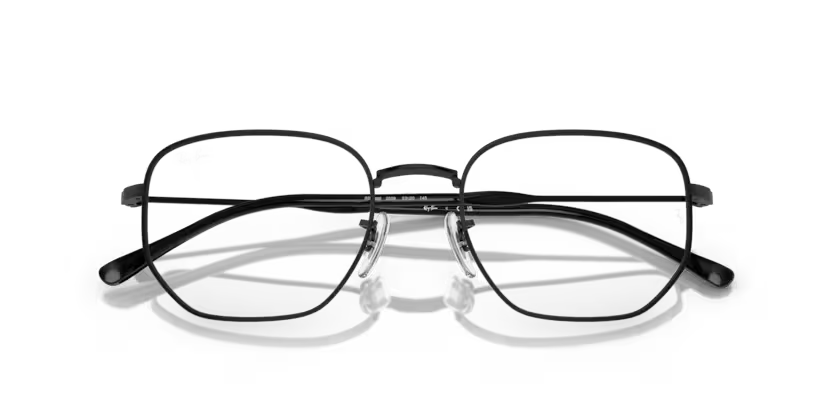 Ray-BanRX6496179.00 €
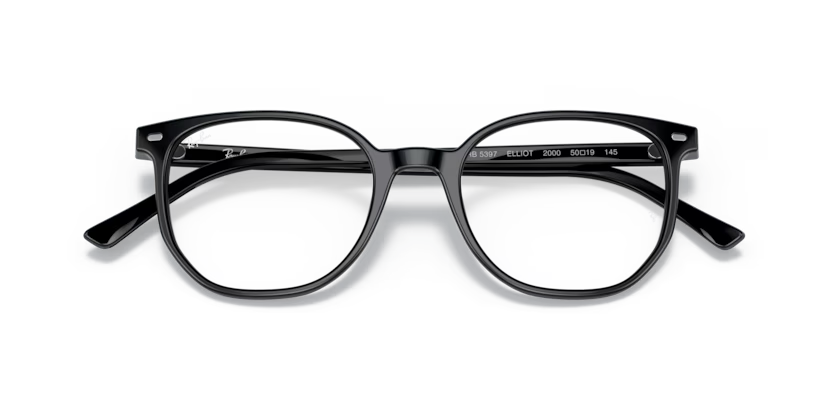 Ray-BanRX5397179.00 €
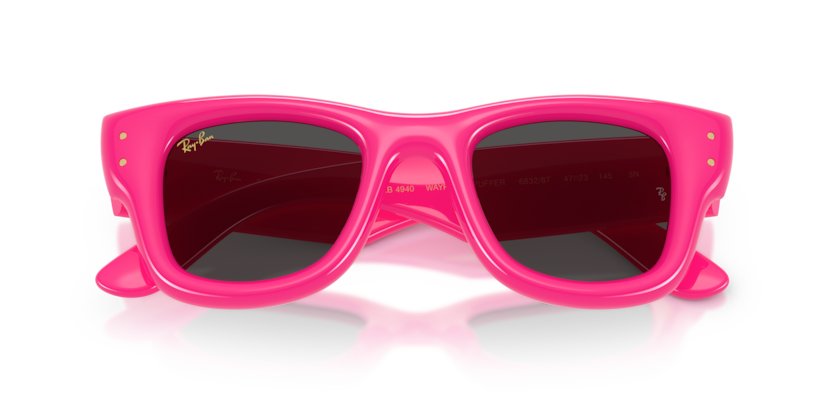 Ray-BanRB4940179.00 €
A: The history of Ray-Ban began in the 1930s. The brand developed its first mineral glass lenses to protect American pilots from glare, then launched the Aviator in 1937. It was this model that defined the brand’s identity: a technical innovation that became an iconic silhouette.
A: Aviator, Wayfarer, Round and Clubmaster are the brand’s four classic ranges. Each features a distinct design: the double-bridge aviator shape, structured acetate frames, a thin metal rim, and a pronounced upper line. All are now available in several variations.
A: The original Wayfarer was launched in 1952. It marked a change in style: in contrast to the Aviator’s metal construction, it featured a more structured acetate frame. Ray-Ban subsequently developed several variations on the range, notably the New Wayfarer, the Mega Wayfarer and the Wayfarer Reverse.
A: Luxottica acquired Ray-Ban in 1999. The brand has become a permanent part of the group’s portfolio, which has supported its international expansion. Unlike fashion houses, Ray-Ban is therefore not a fashion brand licensed to an eyewear manufacturer: it belongs to a group whose core business is eyewear.
A: Product listings show the product code rather than the model’s common name. The Aviator corresponds to RB3025 (€159), the Wayfarer to RB2140 (€149), the Clubmaster to RB3016 (€149) and the Round Metal to RB3447 (€149). A reference number beginning with RB denotes a pair of sunglasses, whilst one beginning with RX denotes a pair of prescription glasses.
A: Prices range from €119 to €189 for a pair of sunglasses and from €139 to €239 for a pair of prescription frames. The four classic styles are priced between €149 and €159, making them the most obvious entry-level option for the brand. For prescription glasses, you’ll need to add the cost of the lenses, the price of which depends on your prescription and the treatments chosen.
A: Ray-Ban offers prescription glasses and sunglasses that can be fitted with corrective lenses. Whether a specific model can be fitted with corrective lenses depends on the model, its dimensions and the prescription to be fitted: this should be checked before placing an order. Please send us your prescription along with the model reference, and we will confirm whether it is possible.
The right habits to clean, protect and extend the life of your glasses every day.
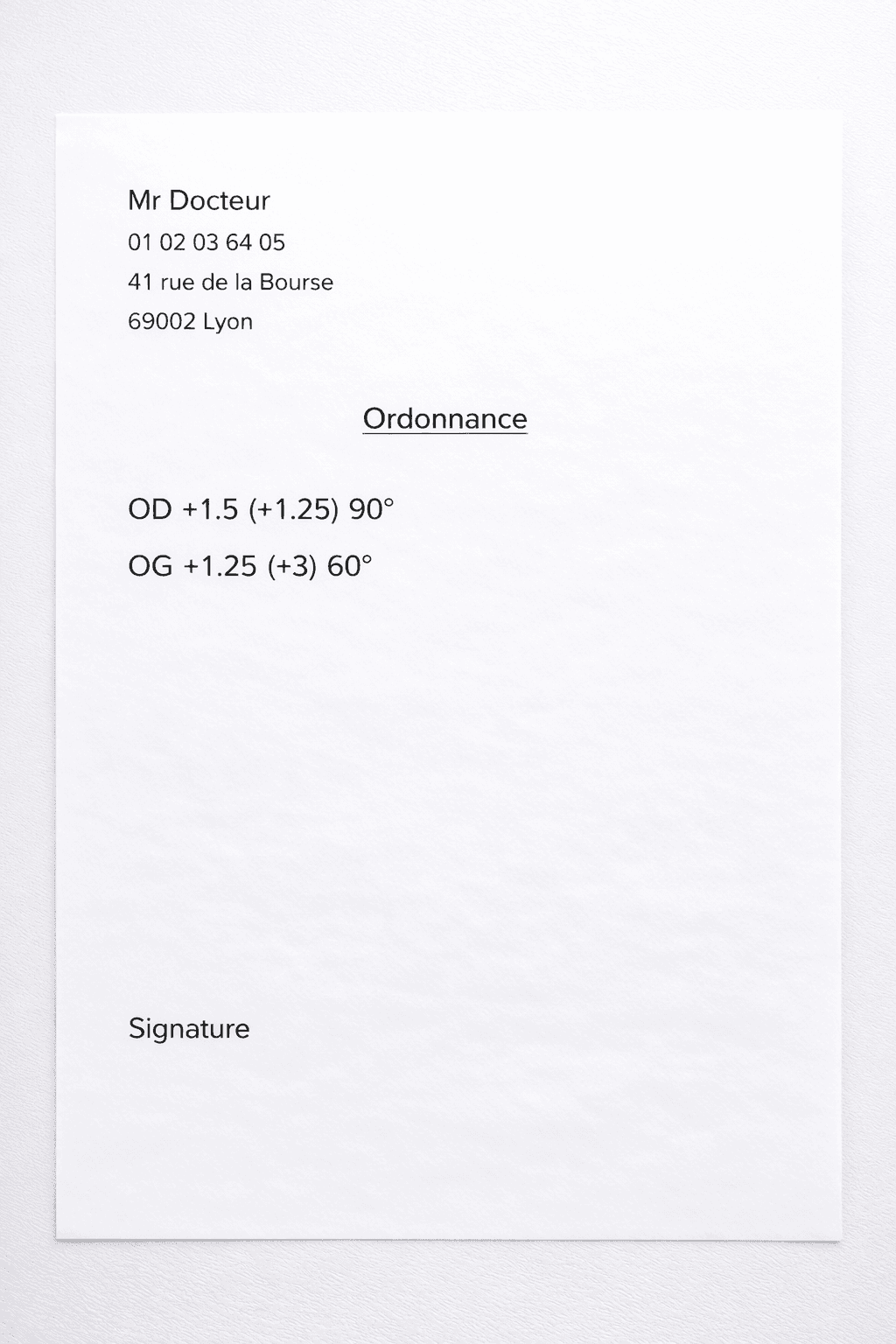
Decode your optical prescription: sphere, cylinder, axis, addition and pupillary distance, explained simply.
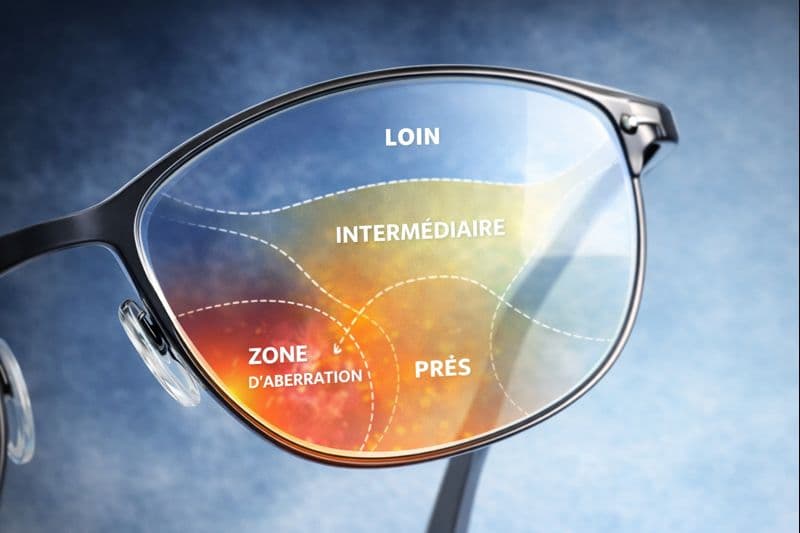
Find out whether progressive lenses suit you: their benefits, cost and how to choose well.