Care
Eyewear care tips
The right habits to clean, protect and extend the life of your glasses every day.
Ray-Ban
Ray-Ban prescription glasses are available in aviator, square, round and rectangular shapes, in a variety of materials, sizes and colours.
Ray-Ban prescription glasses are available in aviator, square, round and rectangular shapes, in a variety of materials, sizes and colours. It is a wide-ranging collection, where the choice is not based solely on design: a prescription frame must also accommodate lenses, stay in place and be comfortable to wear from morning to night. Each of the brand’s major historic collections features a prescription range, allowing customers to find a familiar silhouette in a pair of prescription glasses. Alongside these, more recent models explore designs with no previous sunglasses counterpart. Our Ray-Ban optical range is one of the widest in our catalogue, and it features acetate and metal in almost equal measure: the frame material is just as important as the chosen shape.
Ray-Ban prescription glasses are available in aviator, square, round and rectangular shapes, in a variety of materials, sizes and colours. It is a wide-ranging collection, where the choice is not based solely on design: a prescription frame must also accommodate lenses, stay in place and be comfortable to wear from morning to night.
Each of the brand’s major historic collections features a prescription range, allowing customers to find a familiar silhouette in a pair of prescription glasses. Alongside these, more recent models explore designs with no previous sunglasses counterpart.
Our Ray-Ban optical range is one of the widest in our catalogue, and it features acetate and metal in almost equal measure: the frame material is just as important as the chosen shape.
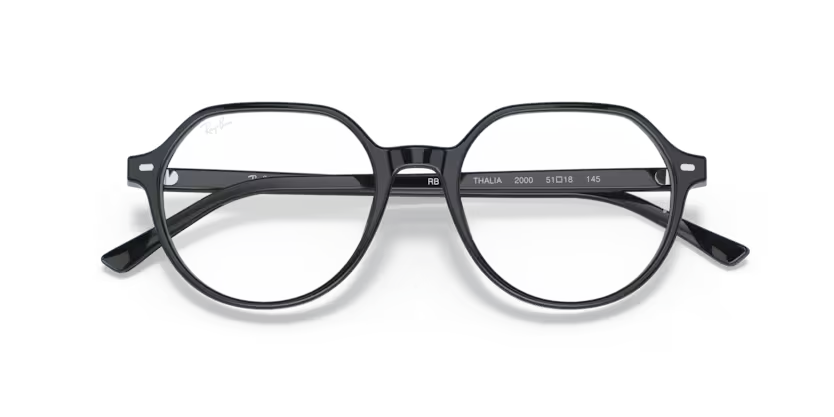 Ray-BanRX5395179.00 €
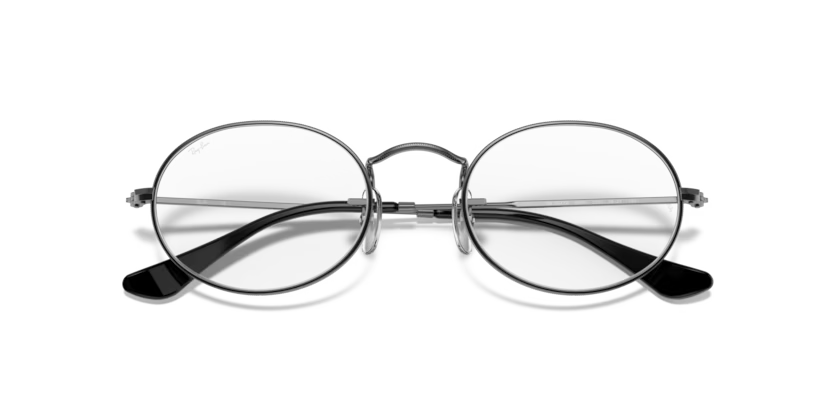 Ray-BanRX3547V179.00 €
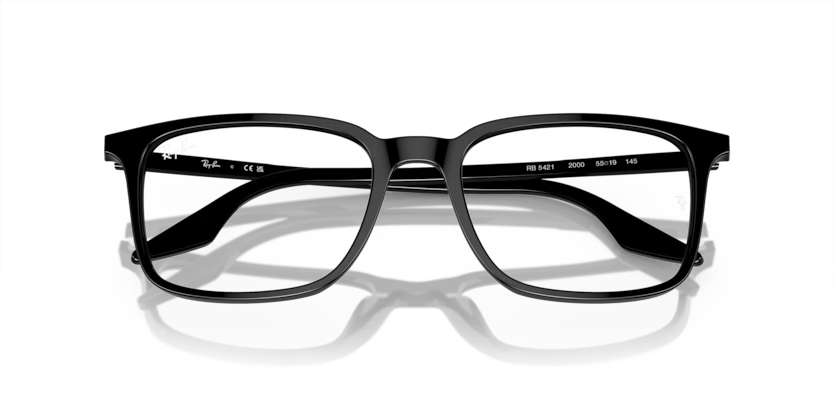 Ray-BanRX5421179.00 €
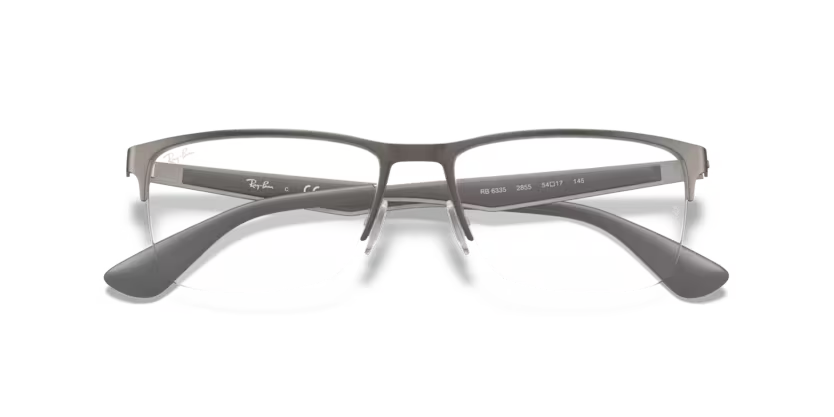 Ray-BanRX6335179.00 €
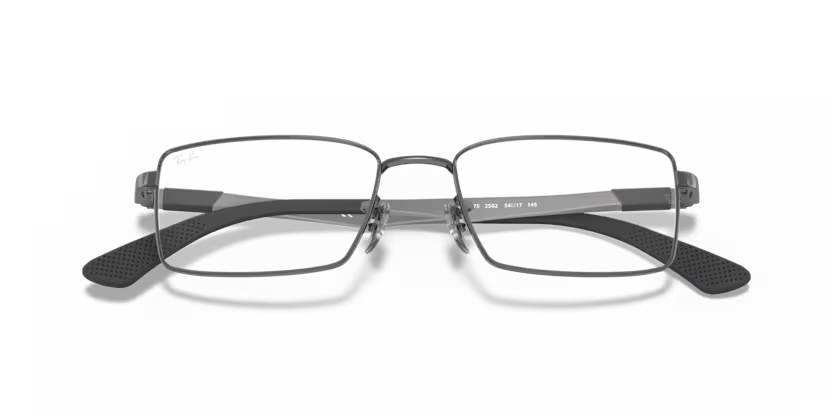 Ray-BanRX6275189.00 €
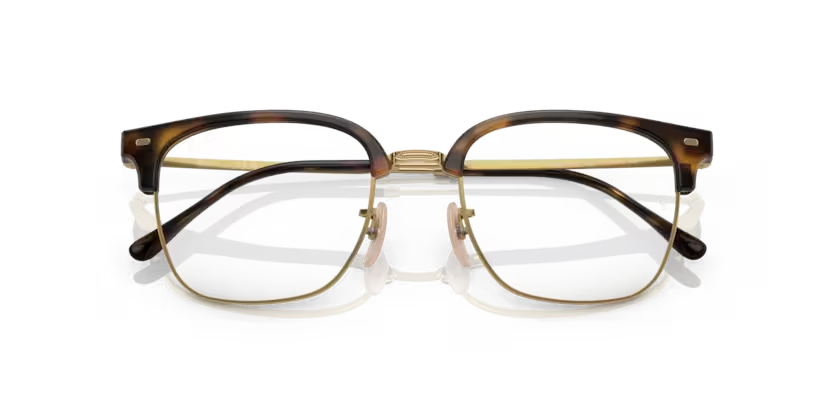 Ray-BanRX7216189.00 €
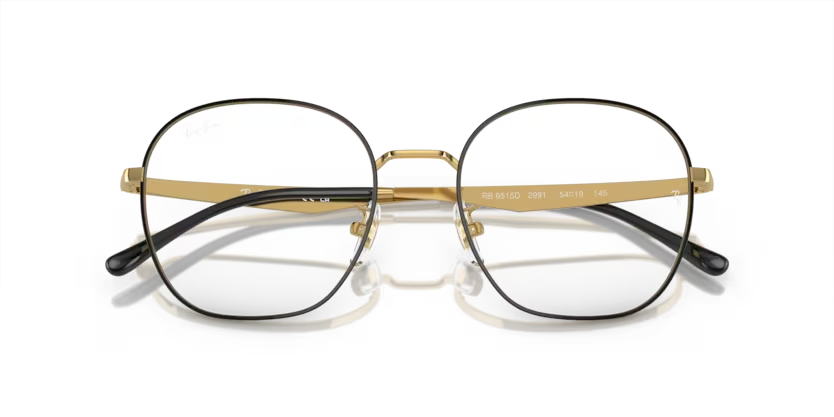 Ray-BanRX6515D159.00 €
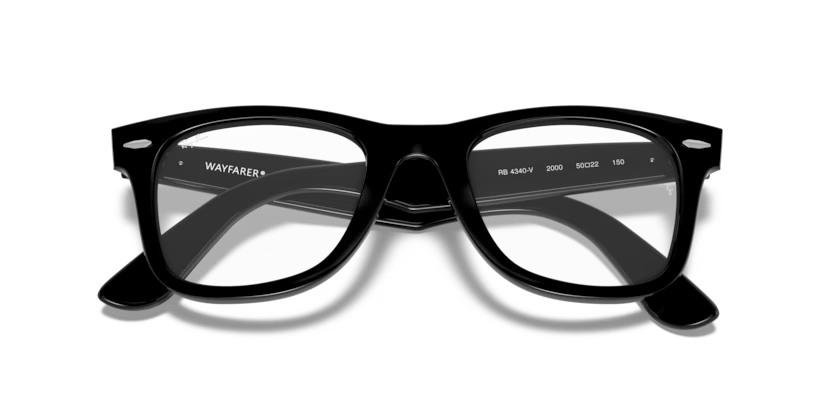 Ray-BanRX4340V179.00 €
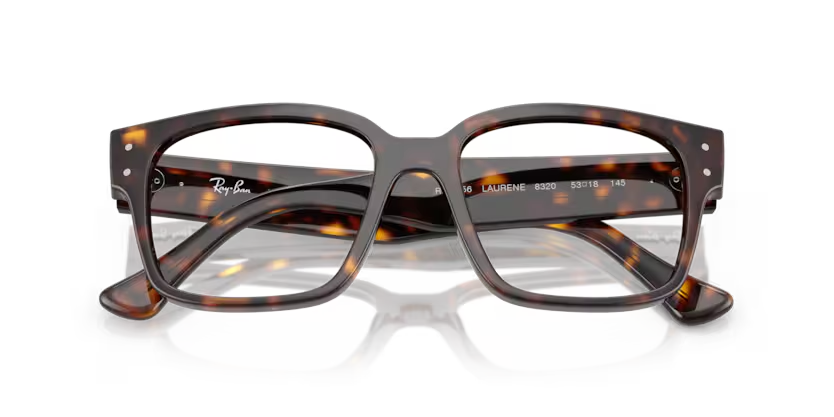 Ray-BanRX7256179.00 €
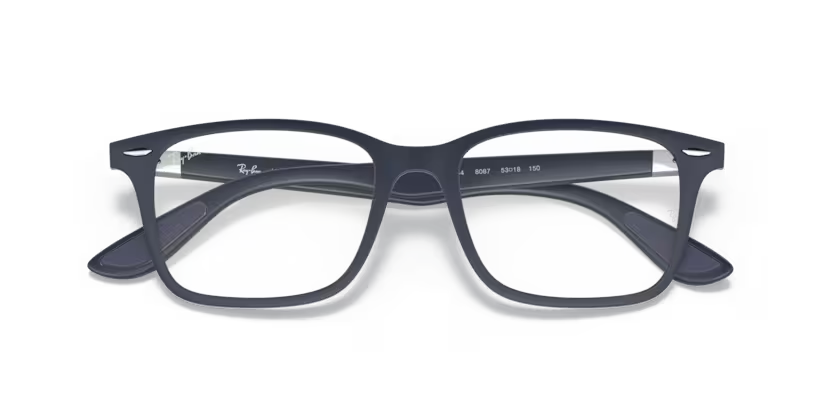 Ray-BanRX7144209.00 €
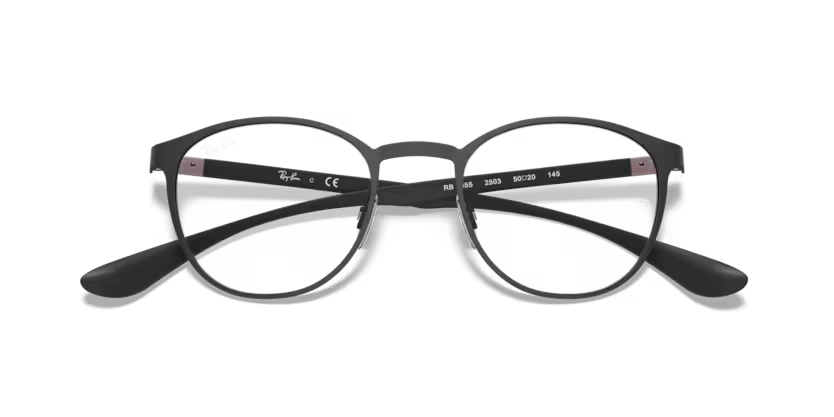 Ray-BanRX6355199.00 €
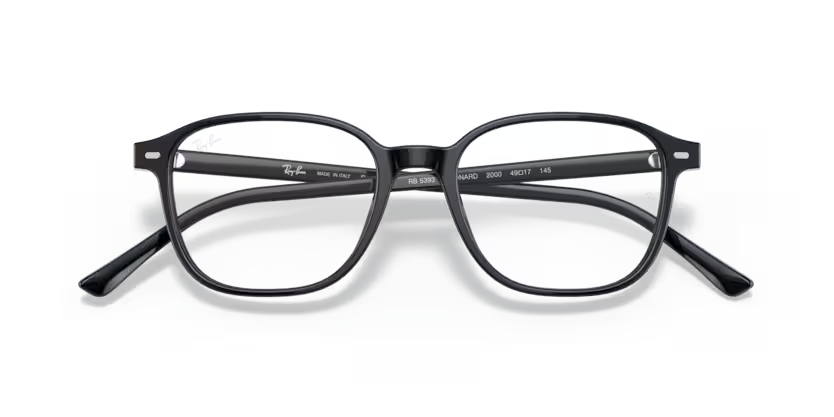 Ray-BanRX5393179.00 €
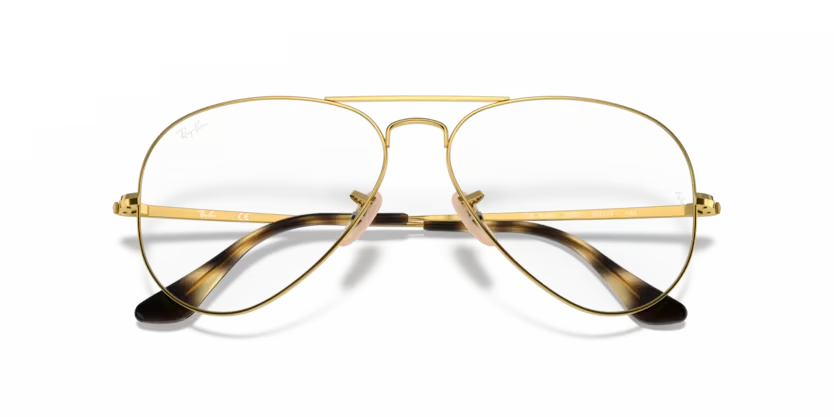 Ray-BanRX6489179.00 €
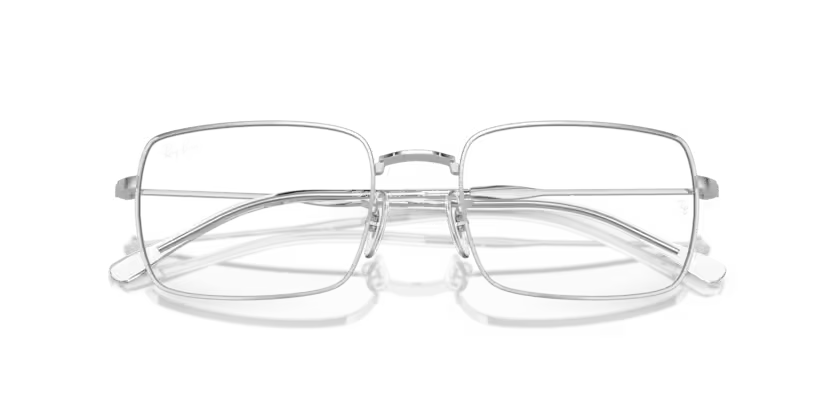 Ray-BanRX6520179.00 €
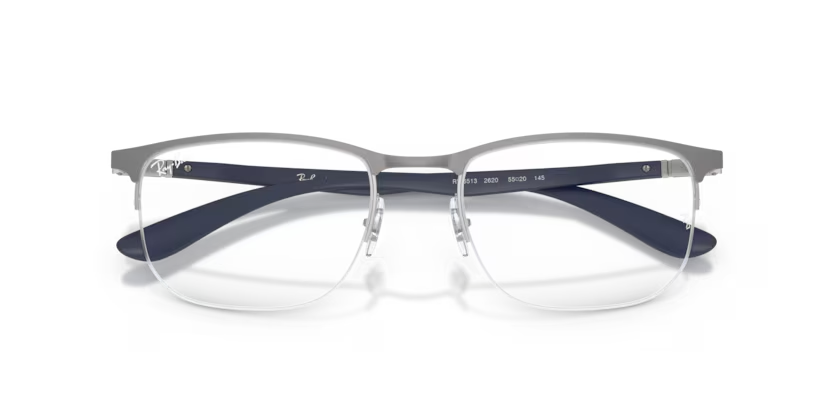 Ray-BanRX6513209.00 €
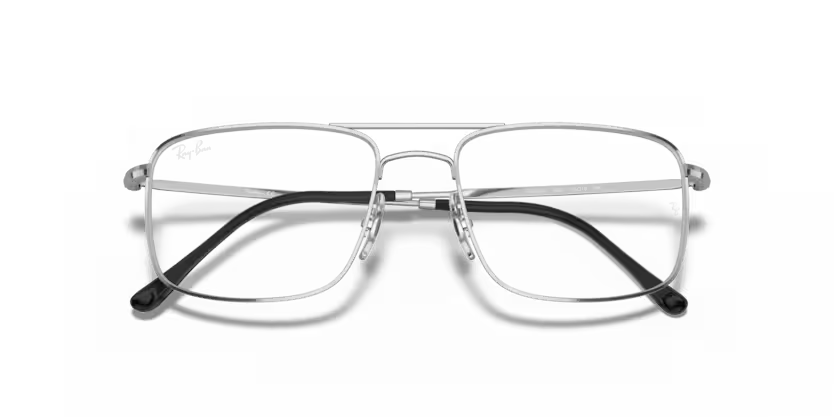 Ray-BanRX6434179.00 €
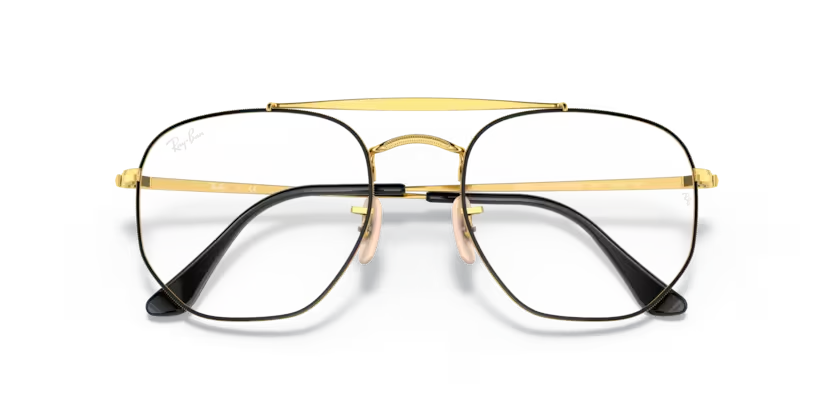 Ray-BanRX3648V189.00 €
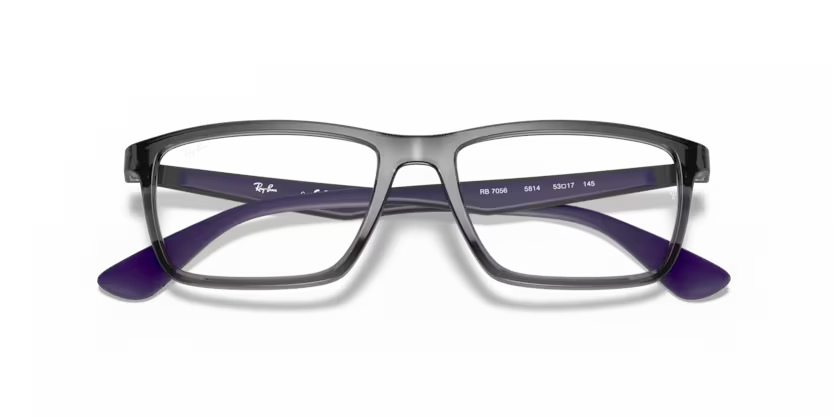 Ray-BanRX7056179.00 €
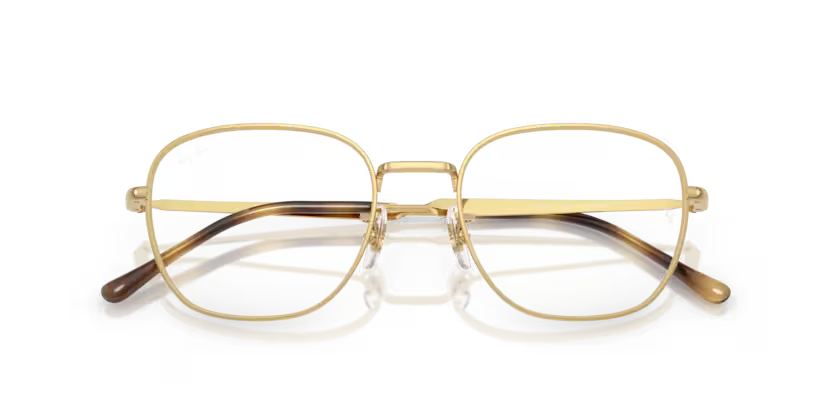 Ray-BanRX6534159.00 €
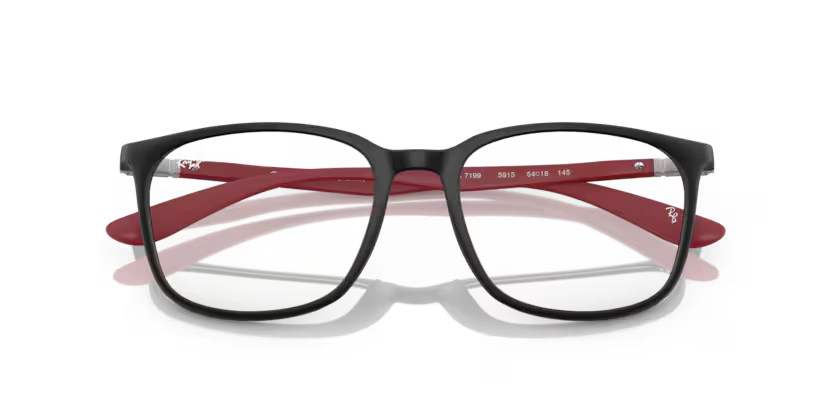 Ray-BanRX7199209.00 €
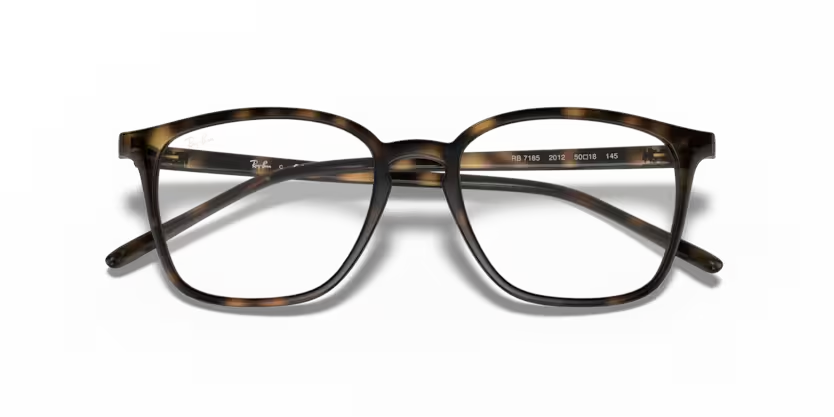 Ray-BanRX7185139.00 €
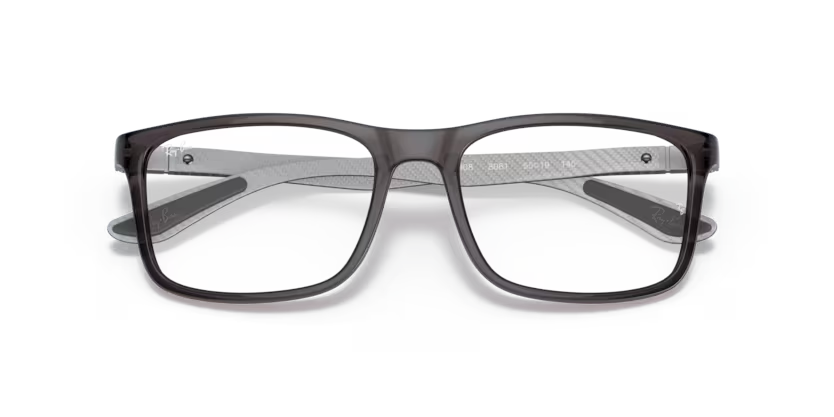 Ray-BanRX8908239.00 €
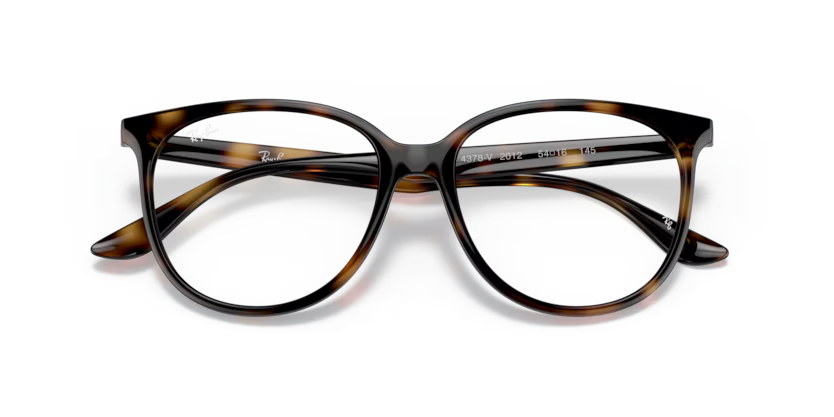 Ray-BanRX4378V149.00 €
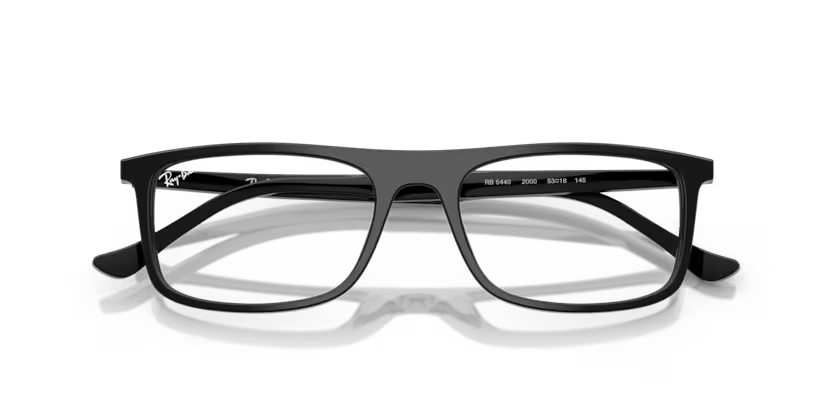 Ray-BanRX5440159.00 €
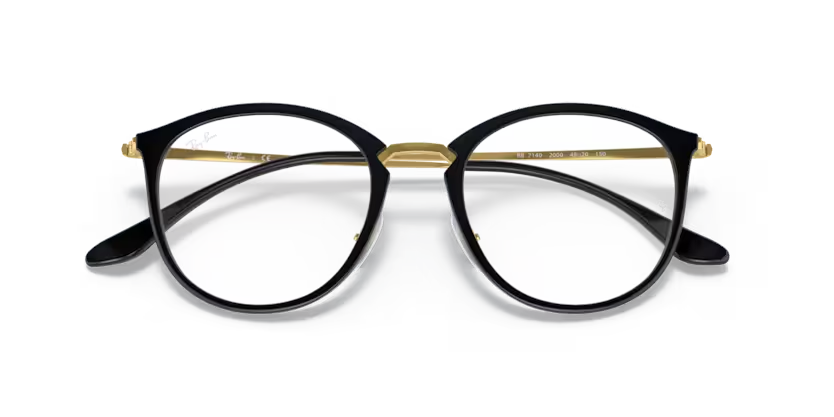 Ray-BanRX7140199.00 €
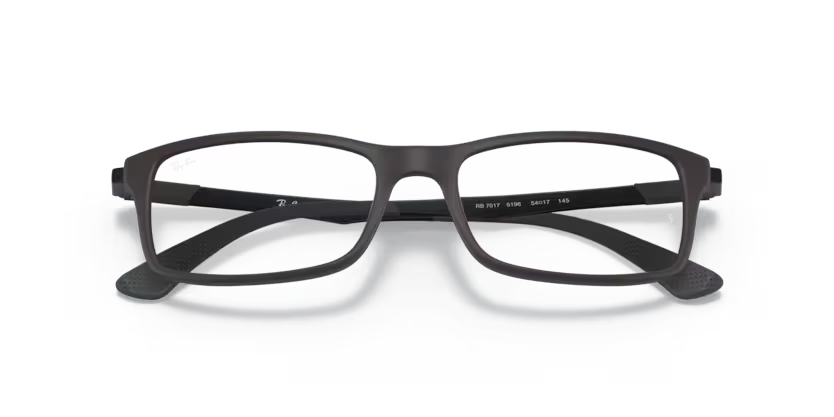 Ray-BanRX7017189.00 €
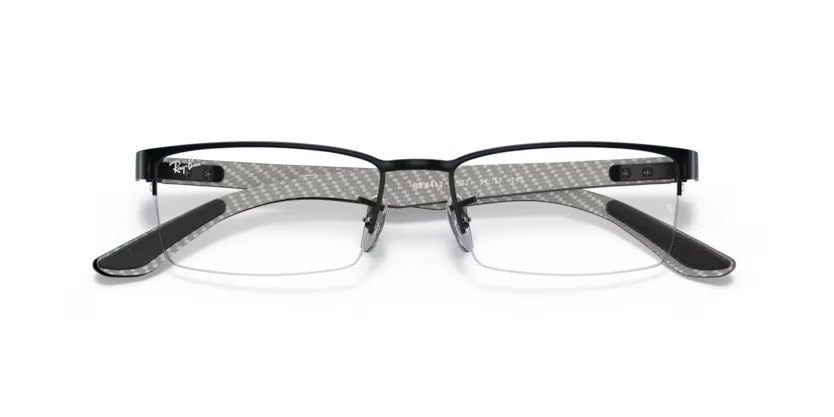 Ray-BanRX8412239.00 €
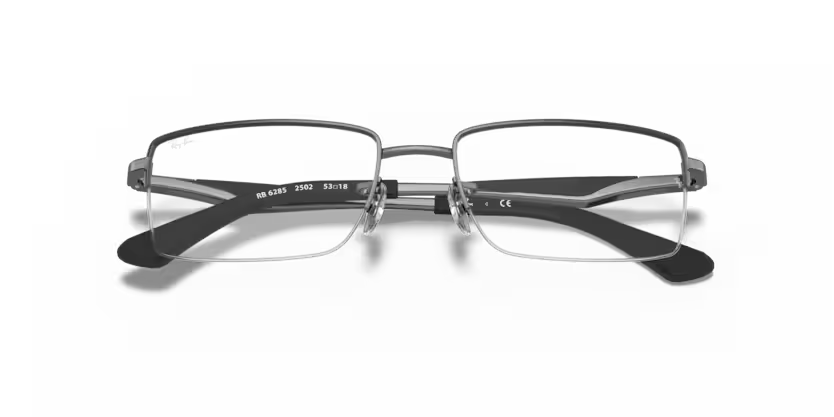 Ray-BanRX6285189.00 €
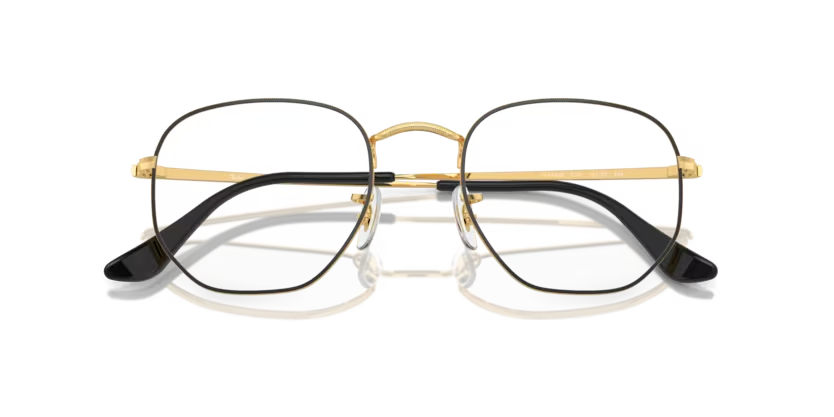 Ray-BanRX6448179.00 €
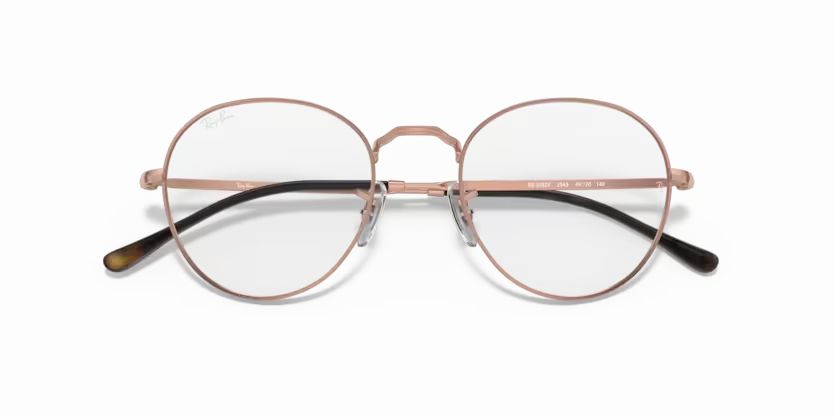 Ray-BanRX3582V179.00 €
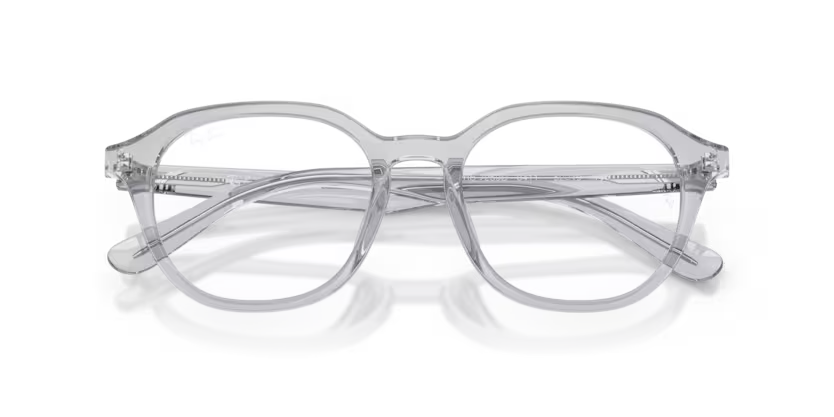 Ray-BanRX7259D149.00 €
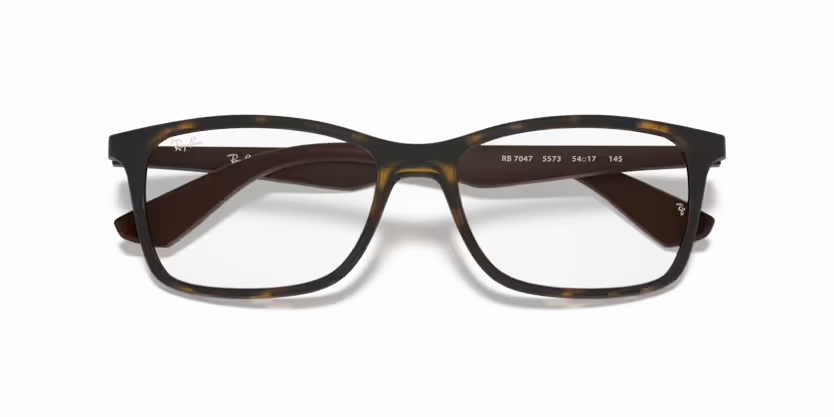 Ray-BanRX7047149.00 €
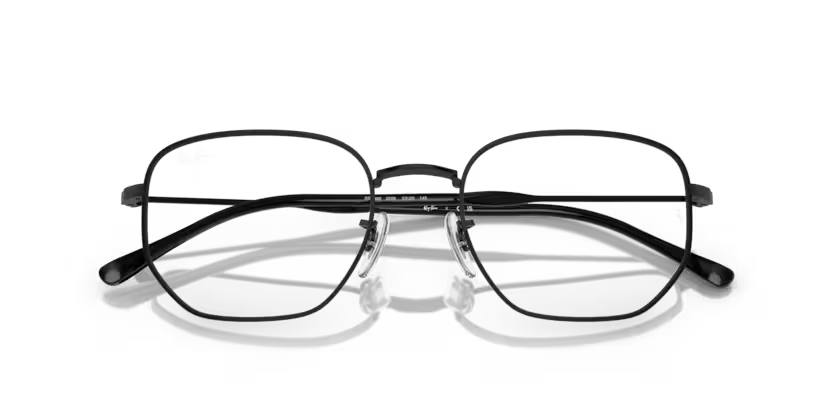 Ray-BanRX6496179.00 €
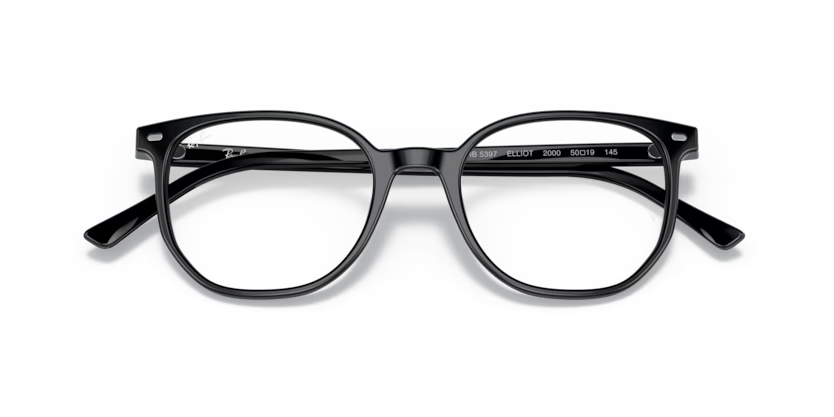 Ray-BanRX5397179.00 €
A: From €139 to €239 for the frames only. The entry-level model is the RX7185, a square acetate frame priced at €139; the top-of-the-range models are the RX8908 and RX8412 at €239. The bulk of the range is priced at €179, comprising 15 of our 34 models. The cost of prescription lenses is added on top, depending on your prescription and the treatments selected: we will provide a quote before you place your order.
A: RX denotes a prescription frame, designed to accommodate corrective lenses; RB denotes a sunglasses model. The frames presented here therefore all bear an RX code. The iconic designs are available under both prefixes, as sunglasses on the one hand and as prescription frames on the other.
A: Both styles are available in prescription versions: Ray-Ban launched the Aviator Optics in 2016 and the Wayfarer Optics in 2017. The Round Metal and Clubmaster also have prescription versions. The silhouette remains recognisable; it is the dimensions and lens height that determine the prescription the frame can accommodate.
A: A large part of the range is suitable, but this needs to be checked on a model-by-model basis. Rectangular and square frames – 20 of our 34 models – offer the most comfortable height. Round and hexagonal frames, which are shorter, require prior measurement — this does not rule them out, but simply means a check needs to be carried out beforehand.
A: Refer to the dimensions on the product page and compare them with those of a pair that already fits you well. Our frame widths range from 48 to 58 mm, a difference of ten millimetres between the narrowest and widest: this is enough for two models with similar designs to look very different on the same face. The width of the front and the overall proportions are the key factors.
A: The brand has a range dedicated to prescription glasses, with lenses designed to fit its frames, including its most iconic styles. For glasses fitted by an optician, it is the prescription and visual requirements that determine the lens specifications: index, coatings and type of progressive lens. Compatibility between the frame and the prescription can be determined from the model’s dimensions.
The right habits to clean, protect and extend the life of your glasses every day.
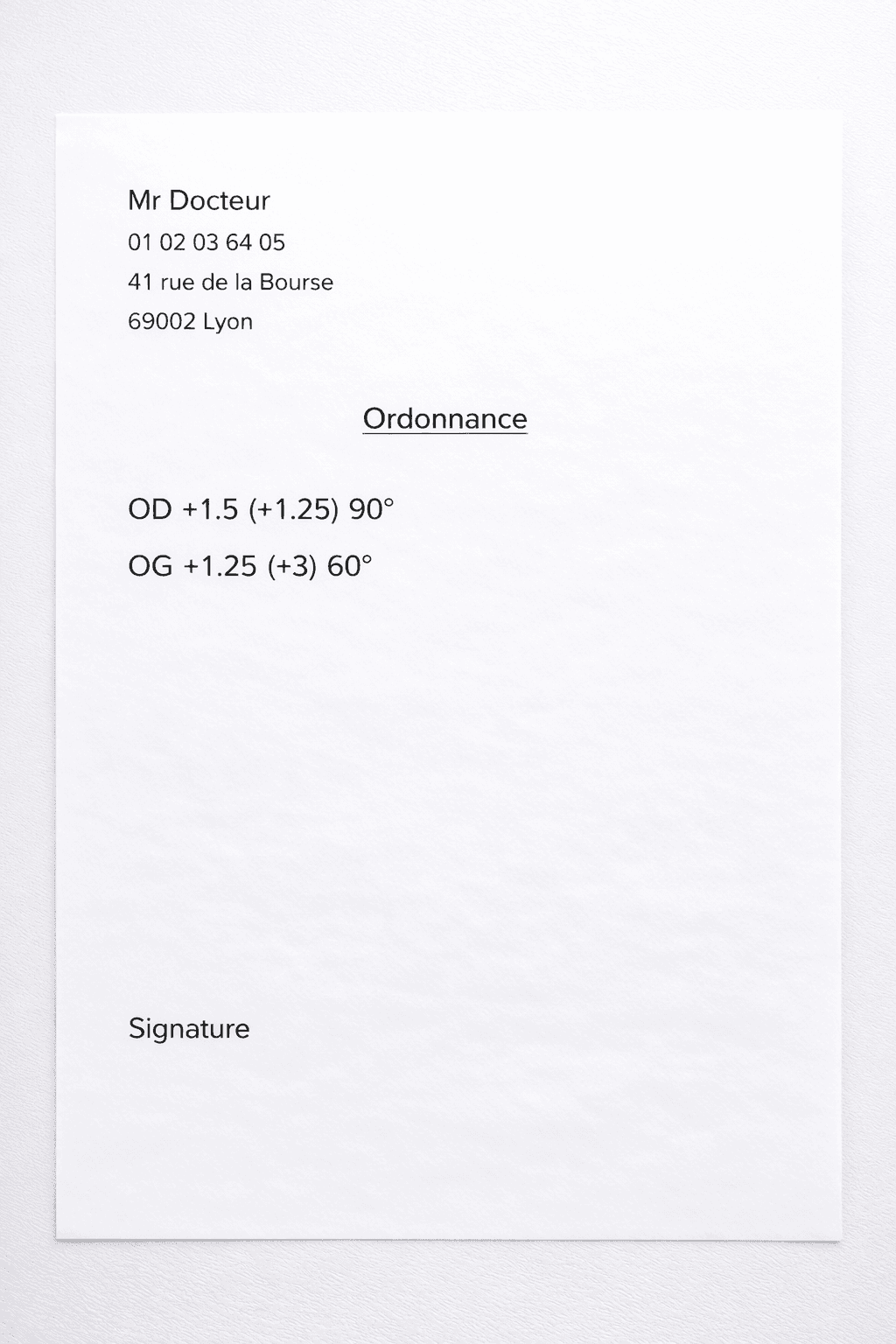
Decode your optical prescription: sphere, cylinder, axis, addition and pupillary distance, explained simply.
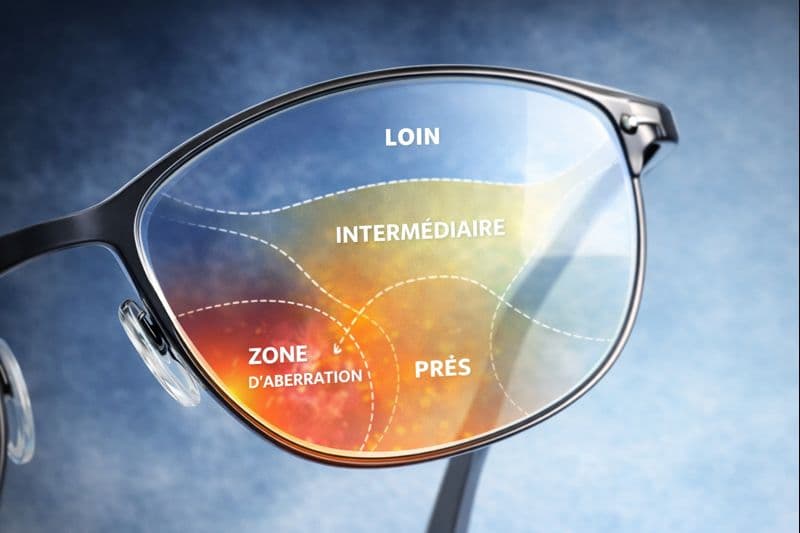
Find out whether progressive lenses suit you: their benefits, cost and how to choose well.